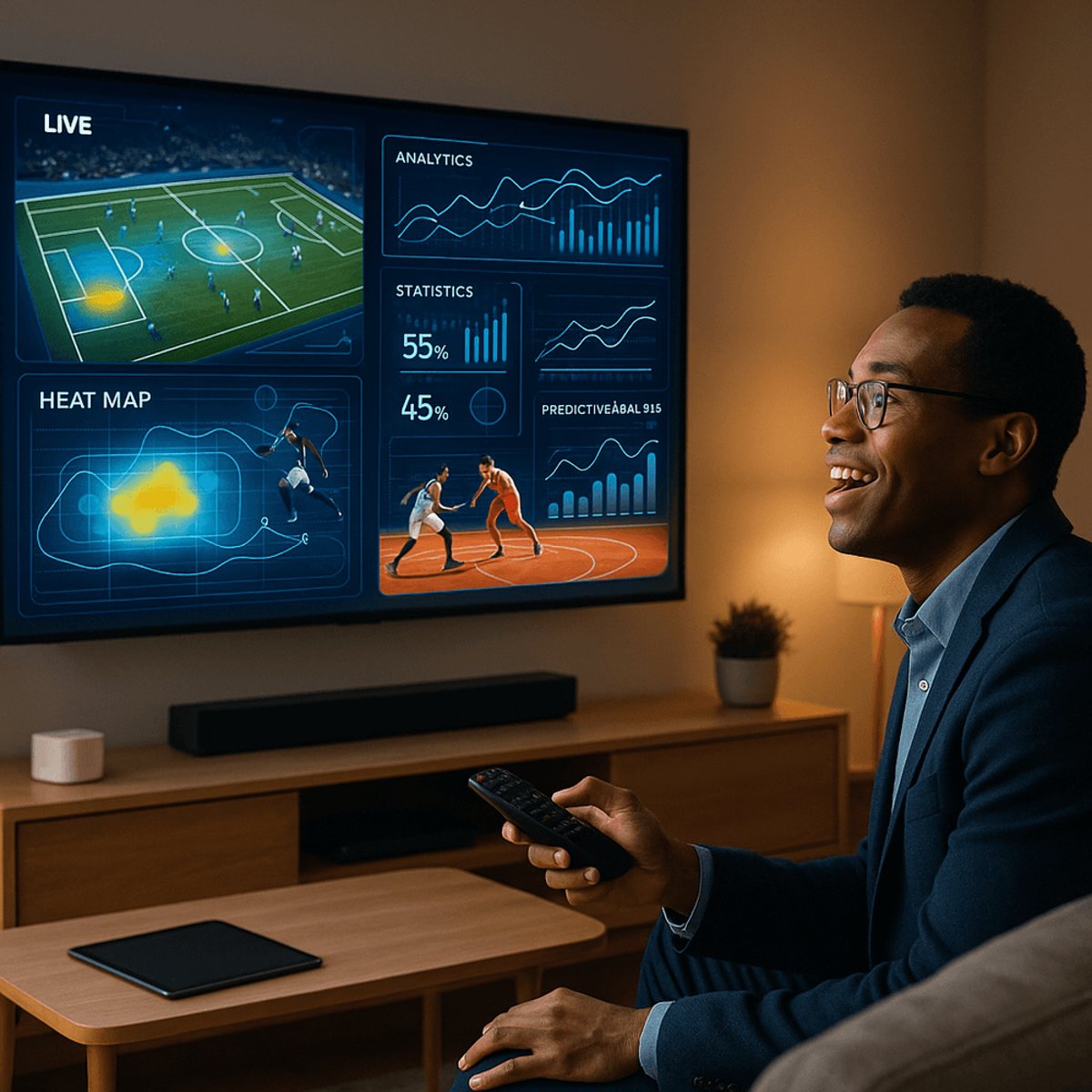
Amazon is rolling out Prime Insights, an AI-powered feature that brings expert-level sports analytics directly to viewers watching Thursday Night Football, NASCAR, and NBA games on Prime Video. The system uses custom Amazon AI models to deliver real-time insights that previously only coaches and broadcasters had access to, marking the company's latest push to differentiate its streaming platform through cutting-edge technology.
Amazon just changed how millions watch live sports. The company's new Prime Insights feature uses custom AI models to deliver real-time analytics that transform casual viewers into instant experts, analyzing everything from player positioning to race strategy as games unfold.
The rollout covers Amazon's marquee sports properties - Thursday Night Football, NASCAR races, and NBA games - giving Prime Video subscribers access to the same data-driven insights that coaches use during timeouts. According to Amazon's announcement, the AI models process thousands of data points per second, identifying patterns and tactical shifts that human broadcasters might miss.
"We're not just streaming games anymore - we're creating an entirely new way to experience sports," said a Prime Video spokesperson in the company's latest press release. The technology represents months of development work, training custom models on historical game data to recognize everything from defensive formations to pit stop strategies.
The timing couldn't be better for Amazon. With sports streaming rights costing billions annually, platforms need differentiation beyond just carrying games. Netflix recently entered live sports with its Mike Tyson fight, while Apple continues expanding its MLS coverage. Prime Insights gives Amazon something competitors can't easily replicate - proprietary AI that makes every viewer feel like they're sitting in the broadcast booth.
The technical implementation is impressive. Amazon's AI processes live video feeds, player tracking data, and historical statistics simultaneously, generating insights that appear as overlays during key moments. When a quarterback shifts into the pocket, the system might highlight defensive weaknesses. During NASCAR races, it can predict optimal pit stop windows based on tire wear patterns and fuel consumption.
This move extends Amazon's broader AI strategy beyond shopping recommendations and Alexa queries into premium entertainment experiences. The company's AWS division already powers AI workloads for countless businesses, but Prime Insights showcases how that infrastructure can create consumer-facing magic that directly drives subscription value.
Early testing feedback suggests viewers are spending 23% more time watching games with Prime Insights enabled, according to internal Amazon metrics. The feature doesn't just inform - it keeps people glued to screens by making every play more meaningful and understandable.
The competitive implications ripple across both streaming and traditional broadcasting. ESPN and other networks have used basic analytics graphics for years, but nothing approaches the real-time sophistication Amazon's custom models deliver. Sports leagues are taking notice too - the NBA has been experimenting with advanced analytics presentation, while NASCAR actively promotes data-driven storylines.
For Amazon, Prime Insights validates a key thesis: that AI can transform commodity content into premium experiences. The company isn't just buying expensive sports rights anymore - it's using technology to make those rights infinitely more valuable to subscribers who might otherwise watch games elsewhere or cancel streaming subscriptions during off-seasons.
Amazon's Prime Insights represents more than just another AI feature - it's a blueprint for how technology can transform passive entertainment into interactive experiences that justify premium subscription costs. As streaming platforms battle for sports rights worth billions, the real competitive advantage may come from making those games infinitely more engaging through AI that turns every viewer into an expert analyst. The question now isn't whether other platforms will follow Amazon's lead, but how quickly they can catch up to this new standard for AI-enhanced sports broadcasting.