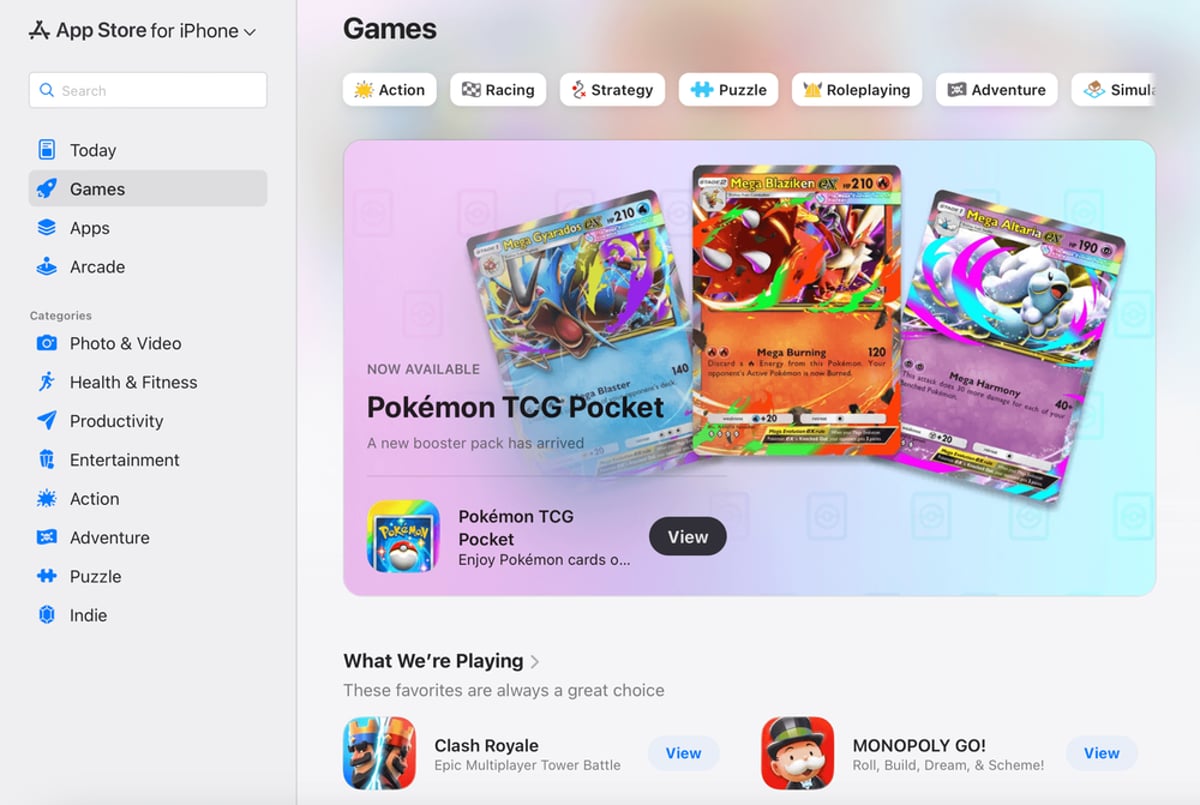
Apple just quietly launched a full web version of its App Store at apps.apple.com, marking the company's biggest push yet to bring its walled garden online. The move gives users a centralized hub to browse apps across iPhone, iPad, Mac, Vision Pro, Apple Watch, and Apple TV - though you still can't actually download anything directly from the web.
Apple just made its biggest move yet to bring the App Store beyond its devices. The company quietly rolled out a comprehensive web version of its digital storefront at apps.apple.com, replacing what was previously just an informational landing page with a fully functional browsing experience.
The timing feels deliberate. As Apple faces mounting pressure from regulators worldwide over its App Store policies, launching a web portal signals the company's willingness to make its ecosystem more accessible - albeit with careful limitations. According to reports from MacRumors and 9to5Mac, the new platform went live without fanfare, suggesting Apple wanted to test user response before making any grand announcements.
The web store spans Apple's entire device ecosystem - iPhone, iPad, Mac, Vision Pro, Apple Watch, and Apple TV. Users can switch between platforms seamlessly, browse curated recommendations on a Today tab, and filter apps by categories like productivity, entertainment, and adventure. It's essentially the native App Store experience, just running in your browser.
But here's the catch: you can't actually download anything. When you find an app you want, Apple only gives you options to share it or open it directly in the App Store on your device. It's a browse-but-don't-buy approach that keeps Apple's traditional download model intact while offering a taste of what a truly web-native App Store could look like.
This limitation isn't accidental. Apple has spent years defending its closed ecosystem model, arguing that forcing all downloads through its native stores ensures security and quality control. A web-based download system would undermine that argument and potentially open new regulatory challenges, especially in Europe where the Digital Markets Act is already forcing changes to iOS app distribution.
The web portal does solve a longstanding frustration though. Previously, individual app pages existed on Apple's servers but weren't easily searchable or discoverable unless you had a direct link. Now users can browse, search, and discover apps the same way they would on their devices, just without the final download step.
For developers, this creates interesting possibilities. App discovery has always been one of the biggest challenges in Apple's ecosystem, with millions of apps competing for attention in crowded categories. A web-searchable App Store potentially opens new marketing channels and could drive more traffic to app listings through traditional web search and social media sharing.
The move also puts competitive pressure on Google, whose Play Store has offered web browsing for years but with similar download restrictions. Both companies seem wary of fully embracing web-based app distribution, likely due to the technical and security challenges it would create.
Industry watchers see this as Apple testing the waters for bigger changes ahead. With regulatory pressure mounting and companies like Epic Games pushing for alternative app stores, a web-based App Store could become Apple's compromise solution - offering more openness while maintaining control over the user experience.
Apple's web App Store launch represents a calculated step toward ecosystem openness without surrendering control. While users still can't download apps directly, the platform creates new discovery pathways and potentially sets the foundation for more significant changes ahead. As regulatory pressure intensifies globally, this could be Apple's way of showing flexibility while maintaining its core business model. The real test will be whether this browsing-only approach satisfies critics or just highlights the limitations of Apple's current approach.