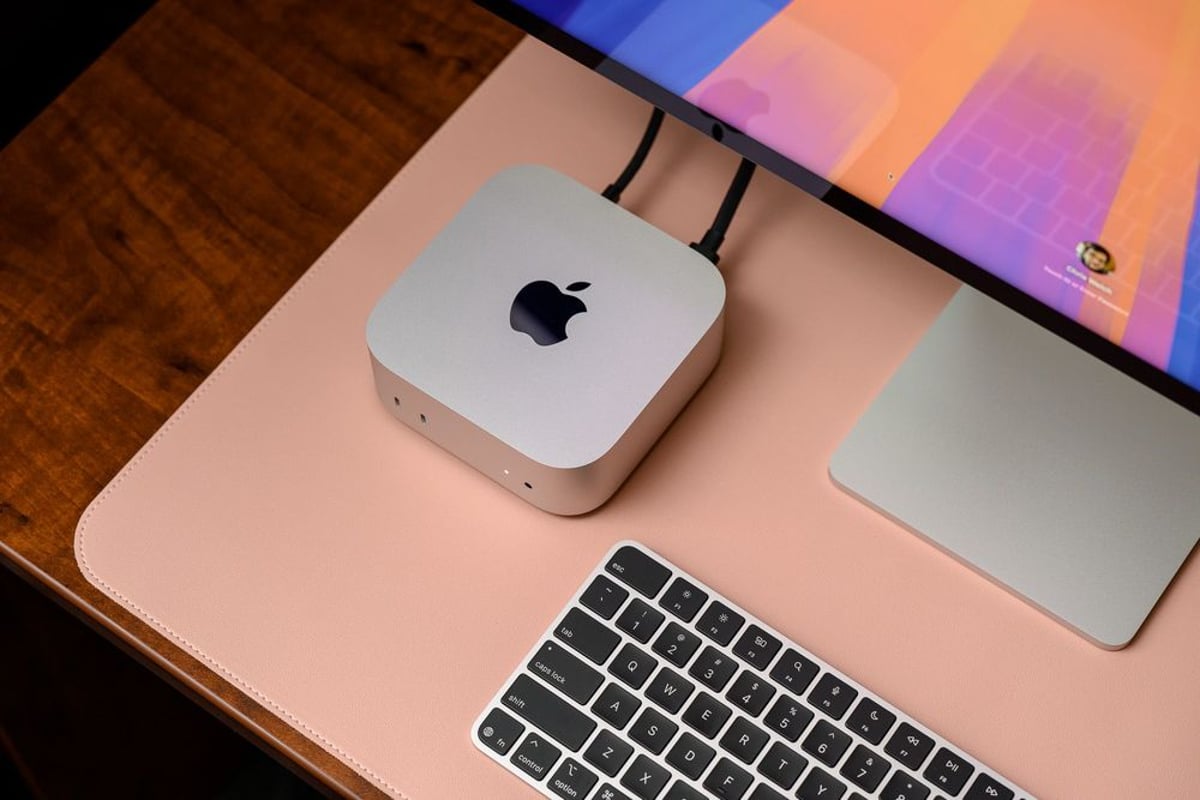
Apple is bringing Mac Mini production stateside for the first time, announcing today that it will begin manufacturing its compact desktop computer in north Houston later this year. The move comes as CEO Tim Cook works to maintain Apple's relationship with the Trump administration amid escalating pressure for domestic manufacturing. The same Foxconn facility currently assembling Apple's AI servers will soon be churning out Mac Minis, marking a significant shift in the company's long-standing overseas production strategy.
Apple just made its biggest domestic manufacturing commitment in years. The company confirmed it's moving some Mac Mini production to a Foxconn facility in north Houston, Texas, with manufacturing set to begin later in 2026. The announcement represents a calculated response to the Trump administration's relentless push for American manufacturing investment.
"Apple is deeply committed to the future of American manufacturing, and we're proud to significantly expand our footprint in Houston with the production of Mac Mini starting later this year," Apple CEO Tim Cook said in the company's announcement. The statement strikes a notably diplomatic tone, emphasizing Apple's American credentials while navigating politically charged trade tensions.
The Houston facility isn't new to Apple's production network. It's already been assembling the company's AI servers, which Cook noted began shipping "ahead of schedule." Now Foxconn will retrofit portions of the plant to handle Mac Mini assembly, creating a dual-purpose manufacturing hub that handles both cutting-edge AI infrastructure and consumer hardware.
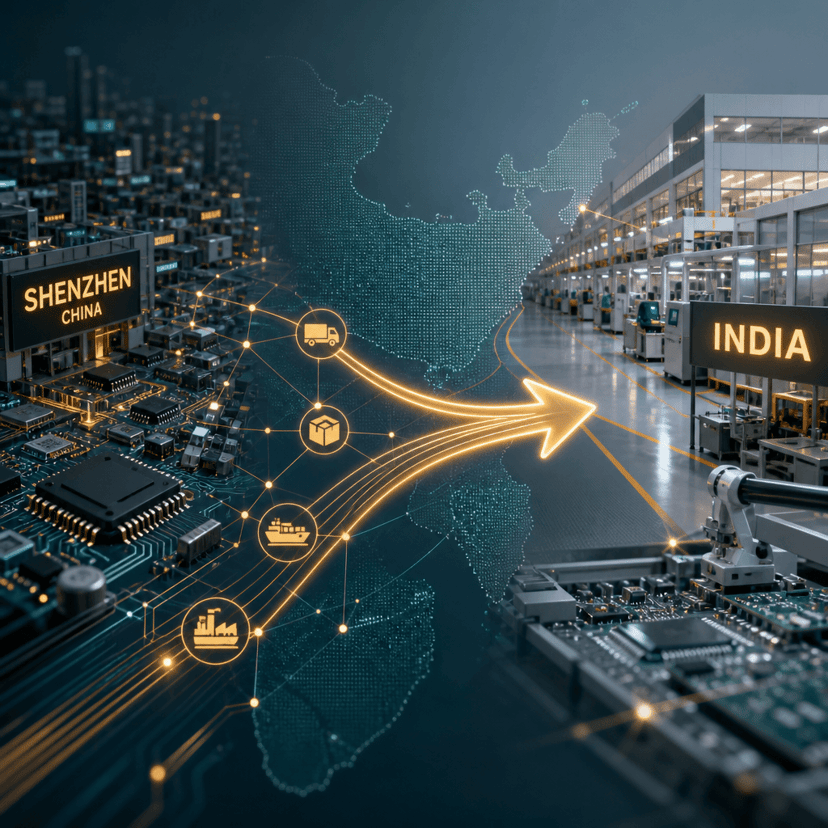
But don't expect Apple to abandon its Asian supply chain anytime soon. The company made clear it will continue producing Mac Minis in Asia alongside the new Texas operation. This hybrid approach lets Apple check the political box of domestic manufacturing without dismantling the cost-efficient and mature supply chains it's spent decades building in China, Vietnam, and India.
The timing reveals just how much pressure Cook faces to maintain Apple's standing with Washington. The Trump administration has made domestic manufacturing a centerpiece of its economic policy, using tariffs and regulatory pressure to push tech giants toward American production. For Apple, which relies heavily on Chinese manufacturing, that pressure has been particularly intense.
Cook has navigated these political currents with characteristic caution. Unlike some tech CEOs who've openly clashed with the administration, he's maintained a pragmatic relationship, making strategic concessions like this Houston expansion while preserving Apple's global operations. The Mac Mini production announcement follows that pattern - visible enough to satisfy political demands, but limited enough to avoid disrupting Apple's supply chain economics.
The choice of the Mac Mini for US production isn't random. It's one of Apple's smaller-volume products compared to the iPhone or MacBook lines, making it a lower-risk test case for domestic manufacturing. The compact desktop appeals to creative professionals and enterprise customers but doesn't command the massive production scale of Apple's flagship devices. If the Houston operation hits snags, the impact on Apple's bottom line remains manageable.
Foxconn's involvement adds another layer to the story. The Taiwanese manufacturing giant has its own complicated relationship with US production, having overpromised and underdelivered on a Wisconsin factory project that became a political embarrassment. The Houston facility represents a chance for Foxconn to demonstrate it can successfully operate American manufacturing at scale, while deepening its critical partnership with Apple.
For the broader tech industry, Apple's move sends a clear signal about the new manufacturing reality. Even the most globally integrated supply chains are bending toward political pressure for domestic production. The question isn't whether tech companies will manufacture in America, but how much and at what cost. Apple's hybrid model - limited US production for specific product lines while maintaining Asian facilities - may become the template other companies follow.
The Houston expansion also intersects with Apple's growing AI ambitions. Housing both AI server and Mac Mini production in the same facility could create operational synergies, though Apple hasn't detailed any technical connections between the product lines. What's clear is that Apple views its Texas footprint as strategically important enough to expand, even as questions linger about long-term economics.
Analysts will be watching closely to see how Apple prices US-manufactured Mac Minis and whether consumers notice any quality or availability differences compared to Asian-produced units. The company hasn't disclosed what percentage of Mac Mini production will shift to Houston, leaving crucial questions about scale unanswered.
Apple's Houston manufacturing expansion represents the new reality of tech production in an era of political pressure and supply chain nationalism. By splitting Mac Mini production between Texas and Asia, Cook is threading the needle between satisfying the Trump administration and preserving Apple's cost structure. The move sets a precedent for how tech giants will handle the tension between global efficiency and domestic manufacturing demands. Whether this model proves sustainable depends on factors Apple can't fully control - from labor costs and component availability to the ever-shifting political winds that increasingly shape where and how tech products get made.