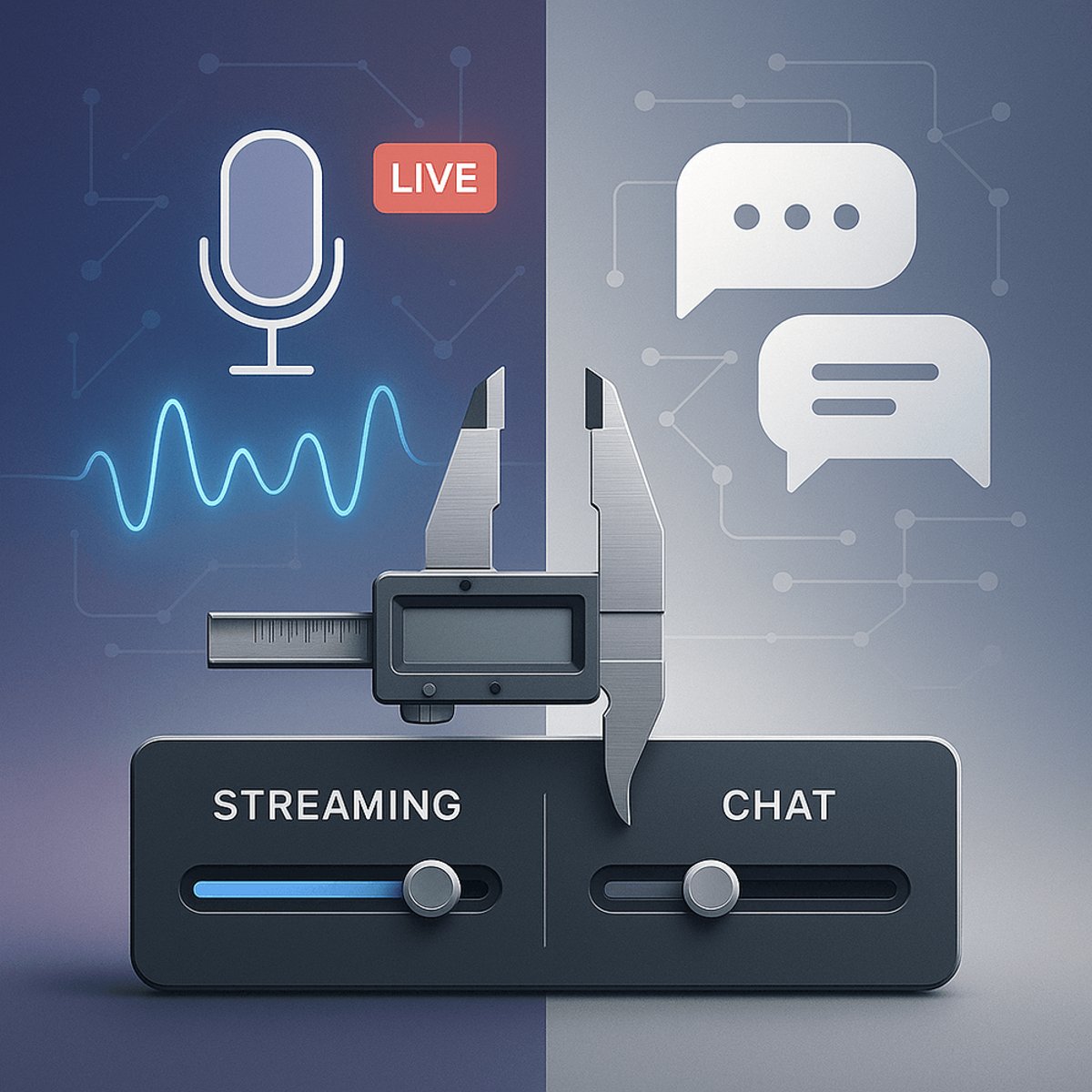
Twitch is rolling out its biggest moderation policy change in years, splitting its one-size-fits-all suspension system into two distinct penalty tracks. The Amazon-owned platform will now separately enforce streaming suspensions and chatting suspensions, giving moderators more surgical precision when dealing with community guideline violations. The move affects millions of creators and viewers who've long criticized the platform's blunt-force approach to enforcement.
Twitch just made content moderation a lot more nuanced. The company's new dual-track suspension system marks a fundamental shift in how the platform handles violations, moving away from the nuclear option of full account bans toward more proportional responses.
Under the overhauled policy, streamers who violate community guidelines might find themselves hit with a streaming suspension that blocks broadcasts while still allowing them to participate in chat. Conversely, chat-based violations could result in chatting suspensions that mute users without touching their ability to stream. It's a change that recognizes what most creators have been saying for years - not every violation deserves the same hammer.
The timing isn't accidental. Amazon, which acquired Twitch for $970 million back in 2014, has watched the platform struggle with moderation consistency as it grew to over 140 million monthly active users. Creators regularly complained about losing income for days or weeks due to suspensions that seemed wildly disproportionate to their infractions. A streamer banned for a chat message couldn't earn any revenue, even if the violation had nothing to do with their actual broadcasts.
Twitch didn't provide specific implementation timelines in today's announcement, but the policy shift comes as the platform faces mounting competition from YouTube Gaming and Kick, both of which have been aggressively courting disaffected streamers with promises of better treatment and clearer rules.
The technical infrastructure behind this split system likely required significant backend work. Twitch's moderation tools have historically operated on a binary system - you were either fully active or completely suspended. Creating separate enforcement tracks means the platform had to rebuild core functionality around user permissions and access controls.
Industry watchers see this as part of a broader maturation of live streaming governance. Platform policy expert Casey Newton noted similar evolution at YouTube and Facebook, where content violations now trigger increasingly specific penalties rather than blanket bans. The challenge for Twitch will be ensuring moderators apply these new tools consistently across millions of daily interactions.
The policy also introduces interesting edge cases. What happens when a streamer accumulates both types of suspensions simultaneously? How do appeal processes work when violations span multiple categories? Twitch's enforcement team will need to navigate these complexities while maintaining the quick response times that live content demands.
For top streamers who generate six or seven figures annually, the ability to maintain some platform presence during a suspension could mean the difference between a temporary setback and a career-threatening income disruption. But smaller creators might benefit even more - chat-only suspensions let them continue building their audience and revenue streams while serving their penalty.
The change could also reshape how Twitch approaches repeat offenders. Under the old system, escalating penalties meant longer full bans. Now the platform can mix and match restrictions, potentially keeping problematic users engaged while limiting their ability to cause harm. Whether that's a feature or a bug depends on your perspective on platform accountability.
Competitors are watching closely. If Twitch's granular approach proves effective at reducing false positives and creator backlash without compromising safety, expect YouTube and others to roll out similar systems. The live streaming wars increasingly hinge not just on revenue splits and features, but on which platform can moderate fairly at massive scale.
Twitch's suspension overhaul represents more than a policy tweak - it's an acknowledgment that blanket enforcement doesn't work at scale. By giving moderators scalpels instead of sledgehammers, the platform is betting it can reduce creator resentment while maintaining community safety. The real test comes in execution: whether Twitch can apply these nuanced rules consistently across millions of users without creating new confusion or loopholes. For an industry that's struggled to balance free expression with harm prevention, this experiment in proportional justice could set the template for the next generation of platform governance.