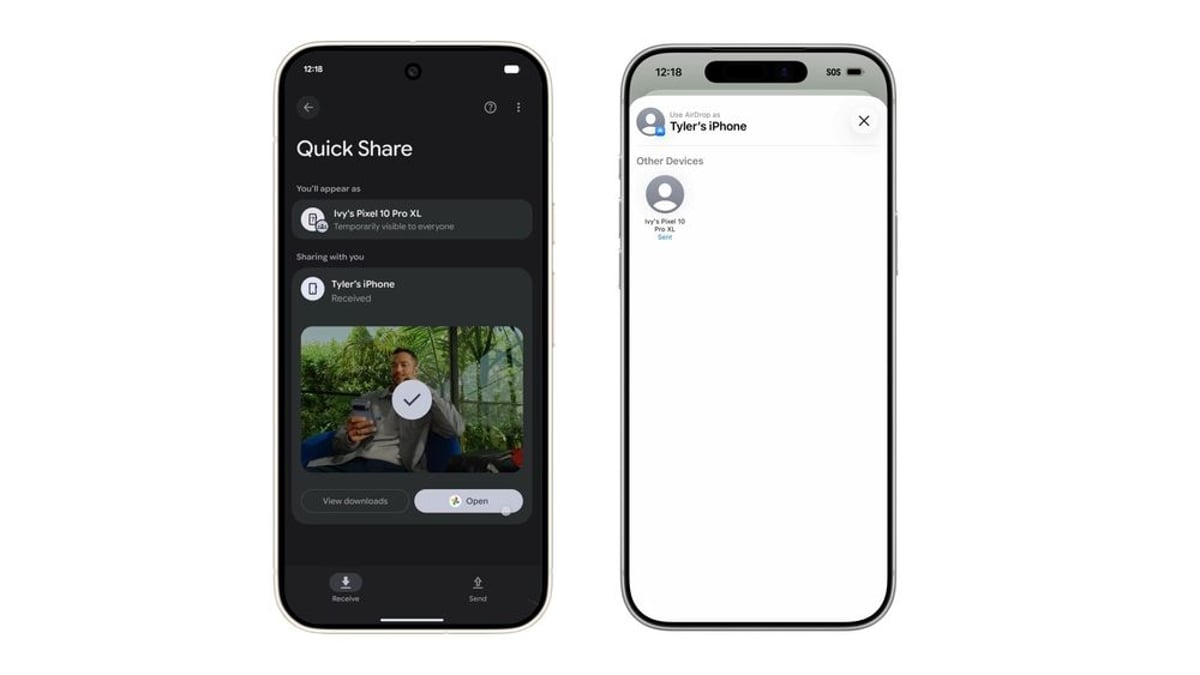
Google just pulled off what seemed impossible - breaking into Apple's AirDrop ecosystem. The Pixel 10 series can now send and receive files directly with iPhones, iPads, and Macs, marking the first time an Android device has cracked Apple's famously closed file-sharing protocol. This isn't just a technical achievement; it's a major crack in the walled garden that could reshape how we think about cross-platform compatibility.
Google just dropped a bombshell that nobody saw coming. The company quietly rolled out AirDrop compatibility for its Pixel 10 series, letting these Android phones share files seamlessly with iPhones, iPads, and Macs. It's the kind of cross-platform breakthrough that tech enthusiasts have dreamed about for years.
The integration works both ways through Google's Quick Share system. Pixel 10 owners can now see nearby Apple devices when sharing files, while iPhone users will receive standard AirDrop requests from Google phones. The catch? Both devices need to be set to "discoverable to anyone" mode, which includes a helpful 10-minute auto-timeout for security.
"We're bringing this new experience to Pixel 10 first before expanding to other devices," Google spokesperson Alex Moriconi told The Verge. That "before expanding" part is key - this could eventually roll out to other Android manufacturers, though Google's keeping that timeline close to its chest.
What makes this particularly fascinating is how Google engineered the solution. According to the company's security blog post, "This feature does not use a workaround; the connection is direct and peer-to-peer, meaning your data is never routed through a server, shared content is never logged, and no extra data is shared." That's essentially Google reverse-engineering Apple's protocol and implementing it natively.
But here's where it gets interesting - Apple had zero involvement in this development. Google's blog post diplomatically states they "welcome the opportunity to work with Apple to enable 'Contacts Only' mode in the future," which is corporate speak for "we built this without asking permission." The company even commissioned an independent security assessment from NetSPI, seemingly preparing for any objections Apple might raise.
The timing couldn't be more strategic. This announcement comes just months after Apple finally embraced RCS messaging on iPhones, another Google-pushed standard that broke down messaging barriers between iOS and Android. Now Google's chipping away at file sharing, one of the last remaining exclusive features that kept iPhone users locked into Apple's ecosystem.
For Android users, this represents a massive win. AirDrop has long been one of those "it just works" features that made switching from iPhone genuinely painful. Being able to seamlessly share photos, documents, and videos with iPhone-wielding friends and colleagues eliminates a real friction point in mixed-platform environments.
The broader implications extend beyond convenience. Google's move signals a more aggressive approach to ecosystem interoperability, potentially forcing Apple to either embrace openness or find new ways to maintain its competitive moats. With European regulators already scrutinizing Apple's closed ecosystem practices, this kind of third-party compatibility could become the norm rather than the exception.
What remains unclear is Apple's response. The company could theoretically update AirDrop to block Google's implementation, though doing so might invite more regulatory scrutiny. Alternatively, Apple might embrace the compatibility as a user-friendly feature, though that seems less likely given the company's historical approach to ecosystem control.
For now, this breakthrough belongs exclusively to Pixel 10 owners, making Google's latest phones suddenly more attractive to anyone living in a mixed-platform world. Whether this expands to other Android manufacturers - and whether Apple tries to shut it down - will determine if we're witnessing a genuine shift toward cross-platform harmony or just a temporary victory in the ongoing platform wars.
Google's AirDrop breakthrough with the Pixel 10 represents more than just a clever technical hack - it's a strategic strike at the heart of Apple's ecosystem lock-in. While currently limited to Google's flagship phones, this development could reshape cross-platform compatibility expectations and force Apple to choose between maintaining exclusivity or embracing openness. For consumers caught between iOS and Android worlds, it's a welcome step toward true platform neutrality.