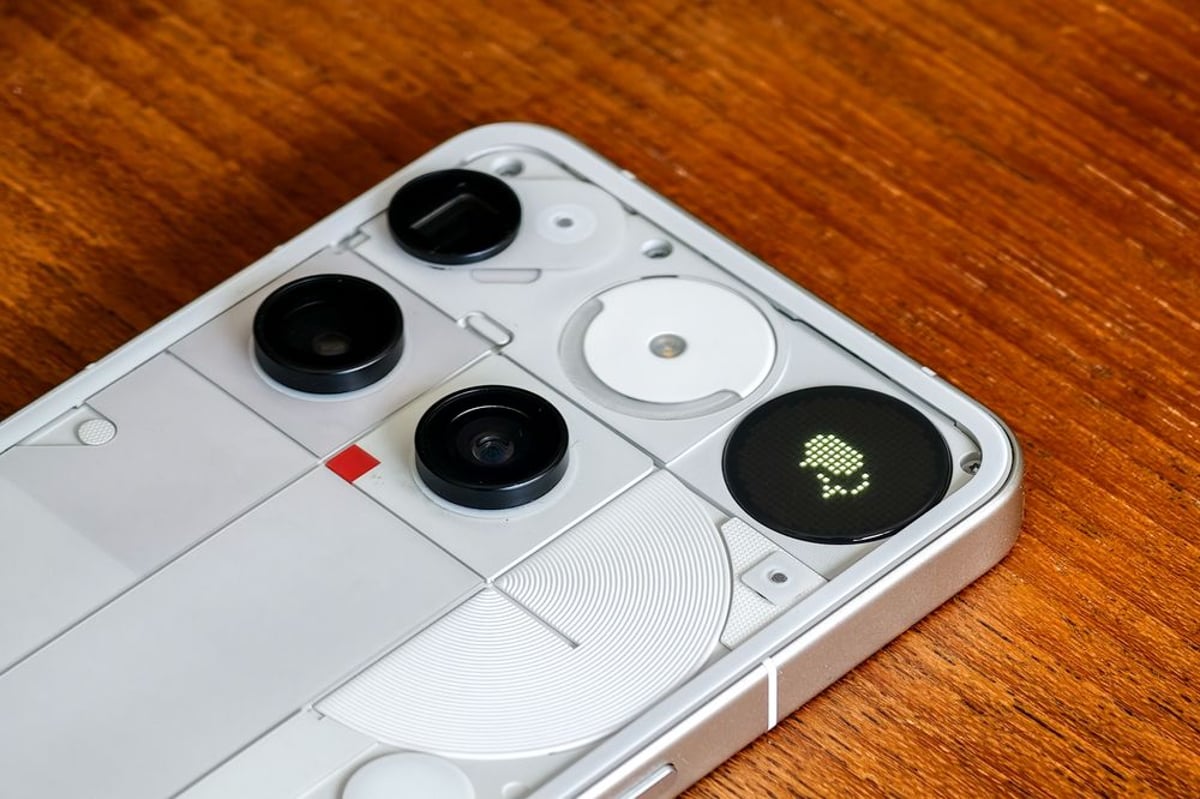
Nothing is breaking the flagship upgrade cycle. CEO Carl Pei just confirmed the company won't launch a Phone 4 in 2026, leaving last year's Phone 3 as the brand's top-tier device. Instead, the London-based startup is doubling down on its midrange 4A series, promising what Pei calls a "complete evolution" that blurs the line between budget and premium. It's a risky bet in a market where annual flagship refreshes are gospel, but Pei says Nothing won't follow the industry playbook just because everyone else does.
Nothing just threw a wrench into the smartphone release calendar. CEO Carl Pei confirmed in a YouTube video that the Phone 4 won't materialize in 2026, marking a deliberate break from the annual flagship treadmill that dominates the industry. "There's no new flagship this year," Pei told viewers when asked about 2026 phone plans, according to The Verge.
The decision leaves the Phone 3, launched in 2025, as Nothing's top-tier offering for the foreseeable future. It's an unusual strategy in a market where Apple, Samsung, and Google condition consumers to expect new flagships every September, February, and October like clockwork.
"We're not just going to churn out a new flagship every year for the sake of it, we want every upgrade to feel significant," Pei explained in the video. "Just because the rest of the industry does things a certain way it doesn't mean we will do the same." The comments echo a growing debate in the tech world about whether annual upgrades still make sense when hardware improvements have become increasingly incremental.
But Nothing isn't going silent on the phone front. The company is releasing the Phone 4A series, a midrange lineup that Pei promises will deliver near-flagship experiences at lower price points. "4A will be a complete evolution over its predecessor across the board, from display, to camera, to overall performance," he said, referencing the Phone 3A series that launched previously.
The 4A positioning suggests Nothing is betting on the midrange market's explosive growth. Industry data shows consumers increasingly gravitating toward $400-$600 phones that pack 80% of flagship features at half the cost. By elevating the 4A closer to flagship territory, Nothing could capture buyers who'd normally stretch budgets for premium devices but balk at $1,000+ price tags.
Pei teased "premium materials" and "bold new experimentation in terms of color" for the 4A, though concrete specs remain under wraps. The vague promises mirror Nothing's typical product launch playbook - build hype through cryptic announcements, then deliver design-forward devices with transparent backs and LED "Glyph Interface" lighting.
The strategy carries real risk. Skipping a flagship year could alienate early adopters who backed Nothing's initial devices and expect regular upgrades. Tech enthusiasts who bought the Phone 3 in 2025 might feel stranded on outdated hardware while competitors race ahead with newer chipsets and camera systems. Nothing's relatively small market share means it can't afford to lose momentum the way established giants like Apple could weather a gap year.
But the move also positions Nothing as the anti-establishment challenger, a brand identity Pei has cultivated since leaving OnePlus to launch Nothing in 2021. By rejecting the annual upgrade hamster wheel, Nothing can claim it prioritizes meaningful innovation over profit-driven release schedules. That narrative resonates with younger consumers skeptical of planned obsolescence and e-waste.
The broader smartphone industry is watching. If Nothing's gambit succeeds, it could embolden other smaller players to break from rigid release calendars. But if sales crater and brand relevance fades, it'll reinforce why every major manufacturer sticks to predictable annual launches despite diminishing returns on innovation.
Nothing's pivot comes as global smartphone shipments remain flat and consumers hold onto devices longer than ever. The average replacement cycle now stretches past three years, up from 24 months a decade ago. Premium flagships increasingly target a shrinking pool of early adopters while the midrange expands to serve practical buyers focused on value.
For now, Phone 3 owners will have to make their devices last, while budget-conscious shoppers await the 4A reveal. Pei didn't provide a launch timeline, but Nothing typically announces products in spring or summer. The company's ability to deliver on its "flagship experience" promises at midrange prices will determine whether skipping the Phone 4 looks visionary or like a misstep.
Nothing's decision to skip the Phone 4 represents a calculated bet that consumers care more about meaningful upgrades than annual releases. By channeling resources into the midrange 4A series instead of churning out an incremental flagship, Pei is testing whether a scrappy challenger brand can rewrite industry norms around release cycles. If the 4A delivers on its near-flagship promises at accessible prices, Nothing could capture a sweet spot between budget devices and premium flagships. But the company risks fading from relevance in a market where out-of-sight means out-of-mind. The next few months will reveal whether breaking the upgrade cycle looks visionary or like a costly miscalculation.