Google just announced its biggest AI infrastructure bet outside the US - a staggering $15 billion investment to build data center capacity in southern India over the next five years. The move signals how aggressively tech giants are racing to secure AI computing power as global demand explodes, while positioning India as the new battleground for cloud supremacy.
Google just made its boldest move yet in the global race for AI dominance, committing $15 billion to build what will become its largest artificial intelligence hub outside the United States. Google Cloud CEO Thomas Kurian announced the massive investment at an event Tuesday, targeting southern India's Andhra Pradesh state for a five-year infrastructure buildout that dwarfs most corporate spending pledges this year.
The deal represents a significant escalation from initial reports. Andhra Pradesh's Human Resources Development Minister Nara Lokesh had pegged the project at $10 billion just Monday, but Google's final commitment came in 50% higher. "This is just the beginning," Lokesh said in a post on X, describing "a year of intense discussions and relentless effort" that led to the agreement.
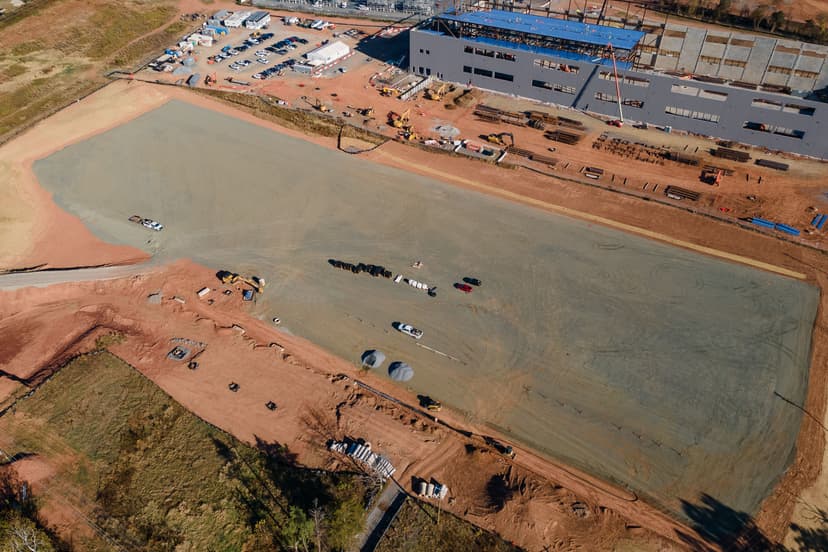
Google's Indian subsidiary Raiden Infotech will develop three separate campuses across Visakhapatnam, creating a 1-gigawatt computing powerhouse designed specifically for AI workloads. The scale is staggering - enough capacity to power a small city, but dedicated entirely to training and running the next generation of artificial intelligence models.
This investment surge isn't happening in isolation. Google already bumped its global capital expenditure forecast to $85 billion for 2025, up from $75 billion in February, citing "strong and growing demand for our Cloud products and services" during second-quarter earnings in July. That same month, the company announced plans to pour $25 billion into US data center infrastructure over two years.
But India represents something different - a chance to build from scratch in a market where AI adoption is accelerating faster than almost anywhere else. According to Economic Times reporting, Andhra Pradesh officials plan to scale the state's total computing capacity to 6 gigawatts over the next three years - making it one of the world's largest data center hubs.
Google's timing couldn't be better. Cloud infrastructure demand is exploding as companies rush to integrate AI capabilities, and India's 1.4 billion population represents the world's largest untapped market for AI services. The country's digital-first approach to everything from payments to government services creates natural demand for the kind of large-scale computing Google is building.
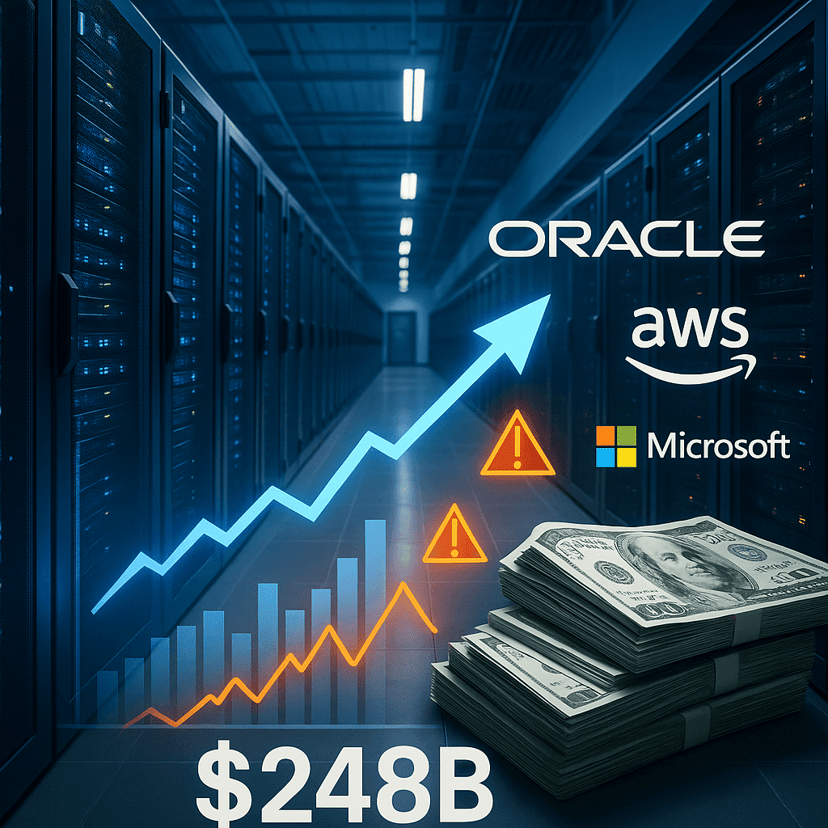
The competitive landscape is heating up fast. Microsoft committed $3 billion to Indian cloud and AI infrastructure, while Amazon's AWS pledged $8 billion for data centers in Maharashtra state. But Google's $15 billion bet is the largest single commitment yet, signaling the company views India as critical to its AI strategy.
Industry analysts see this as more than just infrastructure spending. It's Google positioning itself to capture AI workloads before they migrate to competitors. With ChatGPT and other AI services driving unprecedented demand for computing power, having massive capacity in key markets becomes a strategic advantage that's hard to replicate.
The Visakhapatnam location offers specific advantages - coastal access for submarine cable connections, government support through special economic zones, and proximity to major Indian cities without the real estate constraints of Mumbai or Bangalore. State officials are betting big that landing Google will attract other tech giants to create a regional hub rivaling Singapore or Hong Kong.
Google's $15 billion commitment to India represents more than infrastructure spending - it's a strategic bet that AI's future will be shaped in emerging markets where demand is exploding. As Microsoft and AWS scramble to match this investment, India is becoming the new battleground for cloud supremacy. For investors and industry watchers, the real question isn't whether this spending will pay off, but whether Google's rivals can afford not to match it. The next phase of the AI revolution might well be decided not in Silicon Valley, but in the data centers rising along India's coastline.