The company that runs ICE detention facilities is now betting big on the AI boom. Target Hospitality, known for operating remote worker camps in oil fields and government contracts, is pivoting to house the thousands of workers building AI data centers across remote locations. It's an unlikely convergence of industries - immigration detention meets artificial intelligence infrastructure - but it highlights just how desperately the AI sector needs solutions for housing construction crews in areas lacking nearby accommodations.
Target Hospitality, a company that operates immigration detention facilities for ICE alongside remote worker camps, is making a calculated bet that the AI data center construction boom will become its next major revenue stream. The pivot represents one of the more unexpected business opportunities emerging from the infrastructure demands of artificial intelligence.
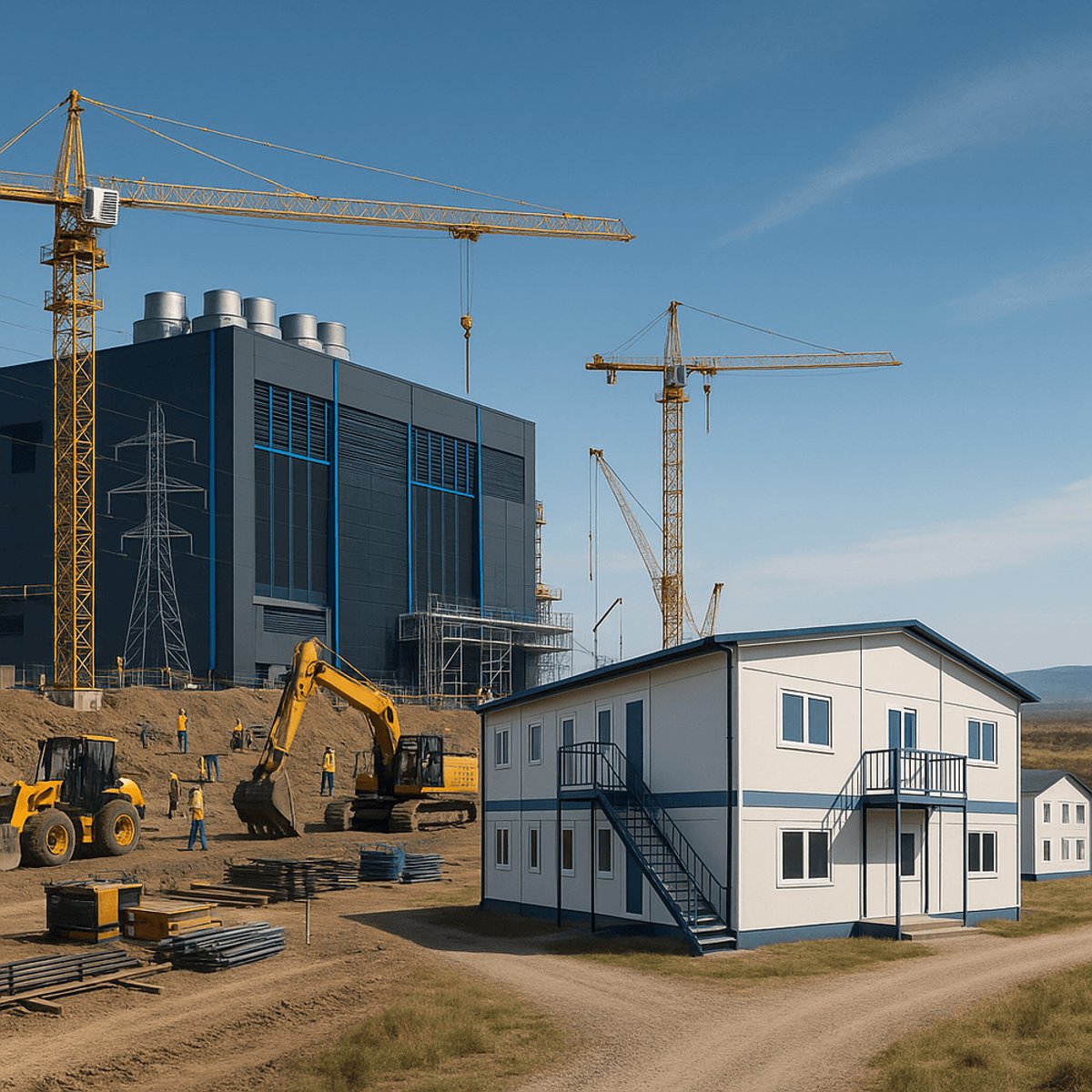
According to TechCrunch, the company is leveraging its experience with so-called "man camps" - temporary housing communities originally developed for oil and gas workers in remote locations - to serve AI data center developers. These facilities typically feature basic dormitory-style rooms, cafeterias, recreational areas, and other amenities for workers spending weeks or months on construction sites far from established communities.
The timing couldn't be better for Target Hospitality. Major tech companies are racing to build massive data centers to power their AI ambitions, with many projects located in rural areas where land is cheap and power is abundant. Microsoft, Google, Amazon, and Meta have all announced multi-billion dollar data center expansions over the past year, creating unprecedented demand for construction labor in locations that simply don't have enough nearby housing.
The challenge is straightforward - you can't build a billion-dollar AI data center without hundreds of specialized workers, but those workers need somewhere to sleep, eat, and unwind during months-long construction timelines. Traditional hotels are either non-existent in these rural locations or quickly overwhelmed by demand. That's where companies like Target Hospitality see their opening.
Target Hospitality's business model revolves around rapid deployment. The company can set up temporary communities with capacity for hundreds or even thousands of workers in a matter of weeks, then dismantle them when construction wraps up. It's the same approach that's been used for decades in oil fields across Texas and North Dakota, now being repurposed for the AI age.
But the company's background in operating ICE detention facilities adds a layer of controversy to this business pivot. Critics have long questioned conditions at immigration detention centers, and Target Hospitality's involvement in that sector has made it a target for advocacy groups. Now, as the company positions itself as an infrastructure solution provider for Big Tech's AI ambitions, it's raising questions about whether tech companies will face scrutiny for their vendor relationships.
The economics are compelling from Target Hospitality's perspective. Data center construction projects can last 12 to 24 months and require sustained housing for large crews. Unlike oil field work, which can be subject to boom-bust cycles tied to commodity prices, the AI infrastructure buildout shows no signs of slowing down. Nvidia CEO Jensen Huang has called for a trillion dollars in AI infrastructure investment over the next several years, and much of that capital will flow into data center construction.
For AI companies and their contractors, the man camp model solves a legitimate logistical problem. When you're building a data center that will eventually house tens of thousands of servers in a location chosen for its access to power and cooling rather than its proximity to cities, workforce housing becomes a make-or-break issue. Delay construction because you can't house workers, and you're potentially leaving millions in revenue on the table as competitors rush their own facilities to completion.
The development also illustrates how the AI boom is creating opportunities in unexpected corners of the economy. While most attention focuses on chip makers, cloud providers, and AI model developers, the physical infrastructure requirements are generating demand across industries that have little to do with technology. Construction, power generation, water management, and now temporary housing are all experiencing tailwinds from AI's appetite for computing power.
Target Hospitality isn't alone in recognizing this opportunity. Other companies with experience in temporary workforce housing are also exploring the AI data center market. But Target Hospitality's existing infrastructure and operational experience in remote locations give it a head start as the industry figures out how to staff these massive construction projects.
What remains to be seen is whether tech companies will embrace vendors with controversial government contracting histories, or whether public pressure will push them to seek alternatives. OpenAI, Microsoft, and other AI leaders have faced intense scrutiny over their partnerships and business practices. Adding a detention facility operator to the supply chain could create uncomfortable optics, even if the business relationship is limited to construction worker housing.
The intersection of immigration detention operations and AI infrastructure housing reveals how the artificial intelligence boom is reshaping industries far beyond Silicon Valley. While Target Hospitality's pivot makes business sense - matching proven expertise in remote worker housing with surging demand from data center construction - it also highlights the complex ethical considerations emerging as AI's physical footprint expands. As tech giants race to build the infrastructure that will power the next generation of AI, they'll need to decide whether logistical convenience outweighs potential reputational risks. For now, the AI construction boom continues to create unexpected opportunities for companies willing to adapt their existing capabilities to serve an industry hungry for solutions to very practical problems.