Home goods giant Kohler is facing privacy backlash after a security researcher exposed that its $599 smart toilet camera misrepresents its encryption and may be using customers' bathroom images to train AI algorithms. The Dekoda device, marketed with "end-to-end encryption" promises, actually uses standard web encryption that allows the company full access to intimate health data.
Kohler, the century-old plumbing giant, finds itself in hot water over misleading privacy claims surrounding its controversial smart toilet camera. The Dekoda device, which launched earlier this year with promises of health insights and bulletproof privacy, has been exposed for using deceptive encryption language that could leave customers vulnerable.
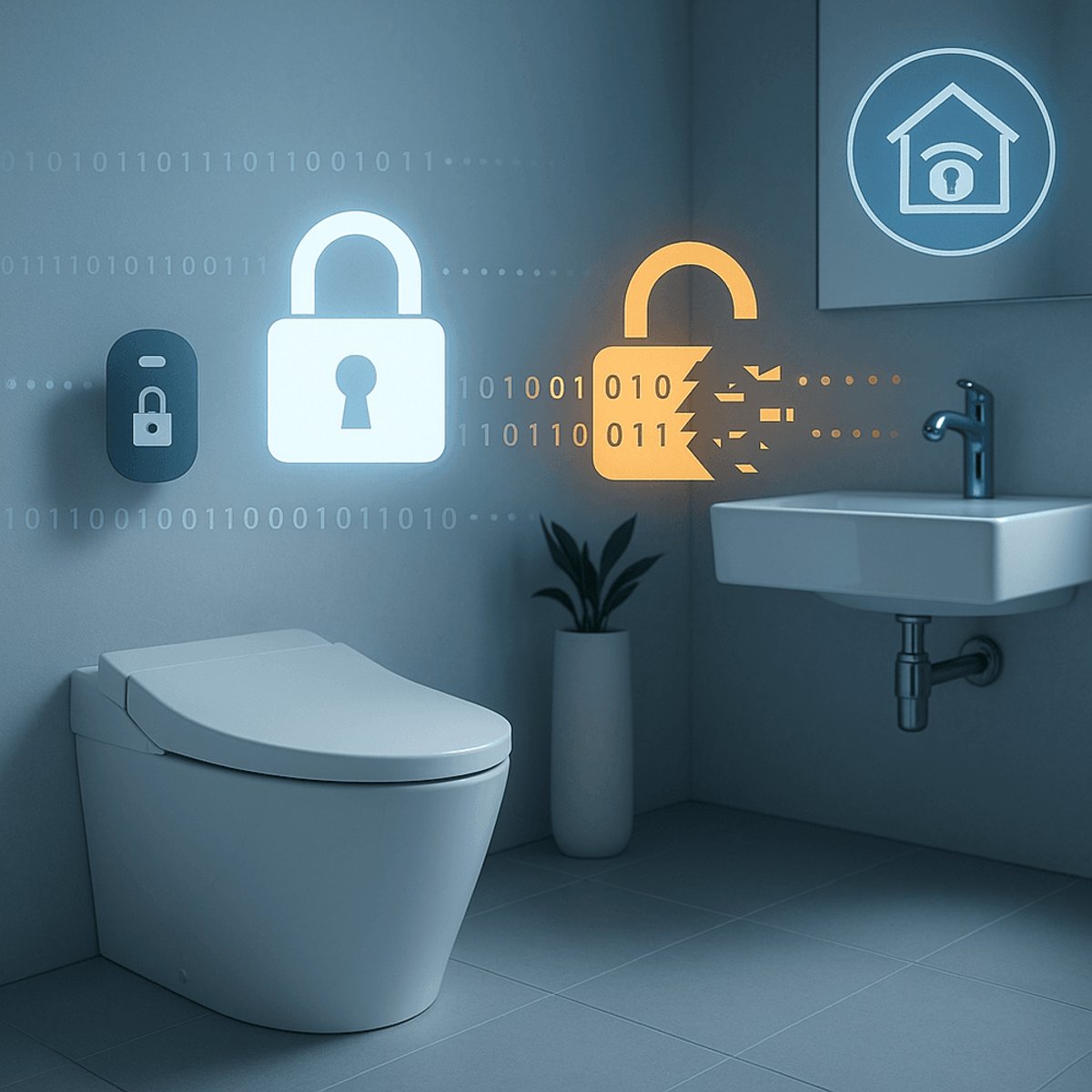
Security researcher Simon Fondrie-Teitler dropped a bombshell analysis this week, revealing that Kohler's "end-to-end encryption" claims are fundamentally wrong. The company is actually using standard TLS encryption - the same basic security that protects your everyday web browsing - while marketing it with terminology typically reserved for truly private messaging apps like Signal and WhatsApp.
The distinction matters enormously. Real end-to-end encryption means only you can see your data, while TLS encryption protects data in transit but allows the company to decrypt and access everything once it reaches their servers. "Using the right terms matters, especially in the context of users' privacy concerns," Fondrie-Teitler noted in his research post.
Kohler's response to the researcher only deepened concerns. A company representative confirmed that user data is "decrypted and processed to provide our service" - essentially admitting they have full access to customers' most intimate health images. Even more concerning, the company acknowledged that its "algorithms are trained on de-identified data only," confirming that toilet bowl pictures are indeed being used for AI development.
The Dekoda represents Kohler's ambitious push into digital health monitoring. The device attaches directly to your toilet bowl, automatically photographing and analyzing waste to provide gut health insights through a companion app. At $599 upfront plus a mandatory monthly subscription starting at $6.99, it's positioned as a premium health monitoring solution.
But the privacy implications are staggering. Unlike established health tech companies that have spent years building trust through transparent data practices, Kohler appears to have stumbled into sensitive health data collection without proper security infrastructure or clear communication about data usage.
The timing couldn't be worse for smart home privacy. Consumers are increasingly skeptical of IoT devices following years of data breaches and surveillance revelations. When a company promises end-to-end encryption for something as intimate as bathroom monitoring, customers expect military-grade privacy, not basic web security.
Kohler's silence speaks volumes. Despite multiple requests for clarification from TechCrunch, the company hasn't provided any public response or correction to its misleading encryption claims. The lack of transparency suggests either a fundamental misunderstanding of privacy terminology or a calculated decision to use confusing language.
For potential customers, the implications extend beyond just privacy. If Kohler can access and process your health data, that information could potentially be subject to data breaches, government requests, or future policy changes. The company's acknowledgment of AI training also raises questions about how long data is retained and whether "de-identification" truly protects user privacy.
The smart toilet market, while niche, represents the broader challenges facing connected health devices. As companies rush to digitize intimate aspects of our lives, many are cutting corners on privacy infrastructure while using marketing language designed to reassure rather than inform.
Kohler's encryption misrepresentation highlights a growing problem in smart home marketing - companies using technical terminology to create false impressions of privacy. As intimate health monitoring moves into our bathrooms, consumers deserve transparent communication about data access and usage, not misleading security theater that promises privacy while enabling corporate surveillance of our most personal health information.