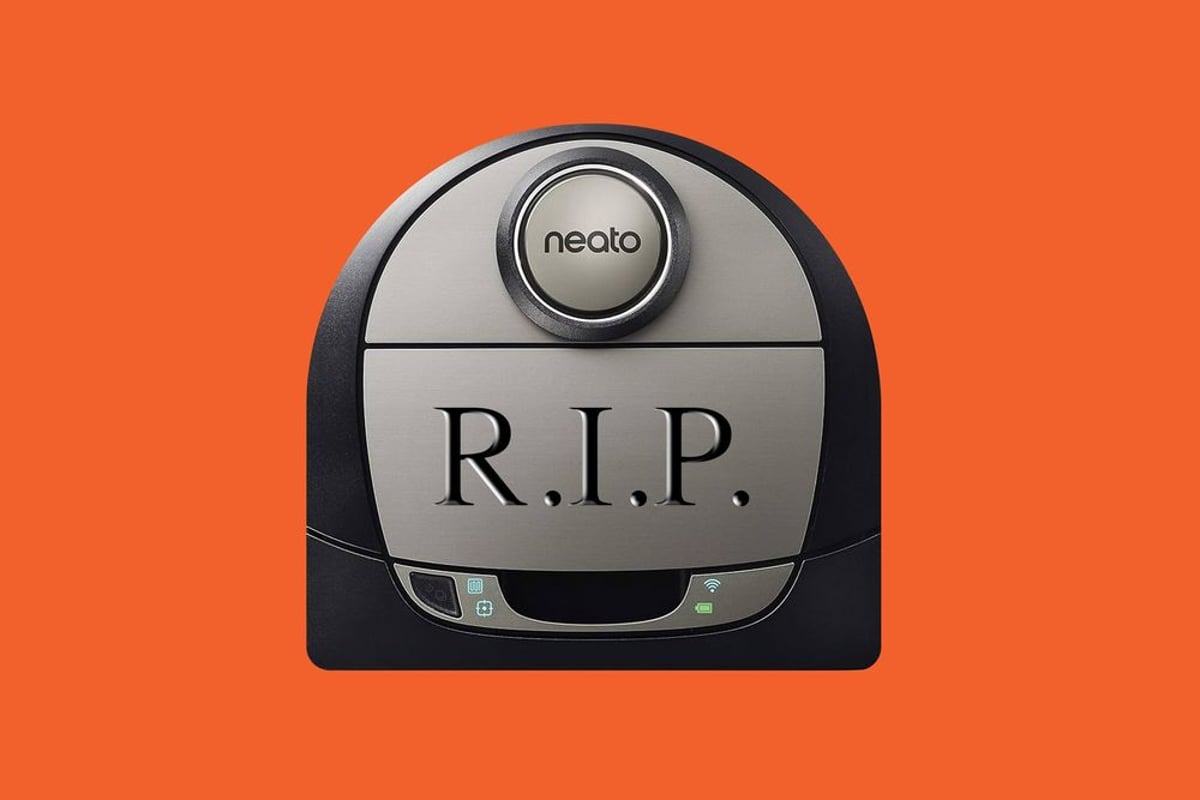
Neato robovac owners just got hit with the smart home nightmare scenario - their vacuum cleaners are being lobotomized. Vorwerk is pulling the plug on Neato's cloud services, stripping thousands of robot vacuums of their app-controlled intelligence and leaving them as glorified manual cleaning devices. The shutdown affects all Neato models that relied on the MyNeato app for scheduling and remote control.
The writing was on the wall, but it still stings. Neato Robotics customers are learning the hard way about the fragility of cloud-dependent smart home devices as Vorwerk officially ends support for the vacuum maker's connected services.
Users started receiving shutdown notices this week, with the company explaining that "cybersecurity standards, compliance obligations, and regulations have advanced in ways that make it no longer possible to safely and sustainably operate these legacy systems," according to emails obtained by The Verge. The decision effectively turns sophisticated robovacs into basic floor cleaners that can only be operated by physically pressing buttons.
The cloud shutdown represents a complete reversal from Vorwerk's 2023 promise to maintain Neato's services for five years after the company ceased operations. That commitment lasted barely two years, leaving customers who trusted the German appliance giant's assurances scrambling for alternatives.
Neato's demise reflects broader issues plaguing the smart home industry, where manufacturers routinely sunset cloud services that power connected devices. Unlike traditional appliances that can run for decades, smart home products often become expensive paperweights when their parent companies shut down servers or pivot business strategies.
The timing couldn't be worse for affected users. Vorwerk acquired Neato in 2017 for its mapping technology and D-shaped vacuum design, but the German company has struggled to maintain the brand's innovative edge. While competitors like iRobot and Roborock continued pushing boundaries with AI-powered cleaning and obstacle avoidance, Neato's product line stagnated under Vorwerk's ownership.
Industry analysts have long warned about the risks of cloud dependency in consumer electronics. "This is exactly why local control and open standards matter," said smart home consultant Brad Russell. "When companies can remotely disable core functionality, consumers lose fundamental ownership rights over products they've purchased."
The shutdown affects all Neato models that relied on cloud connectivity, including the popular D3, D4, D5, D6, and D7 series. These robots will continue to clean floors but lose scheduling capabilities, remote start functions, mapping features, and the ability to receive software updates. For many users, these smart features justified paying premium prices over basic robovacs.
Vorwerk's decision also highlights the challenge facing acquired startups in maintaining long-term support commitments. The company has remained largely silent about the shutdown, declining to respond to media requests for comment or provide migration paths for affected users.
Some tech-savvy Neato owners are exploring workarounds through third-party software like Home Assistant, which can provide local control for select Neato models. However, these solutions require technical expertise and don't fully replicate the original app experience.
The Neato shutdown serves as a cautionary tale for smart home buyers increasingly wary of cloud-dependent devices. As more manufacturers embrace subscription models and cloud-first architectures, the risk of sudden service terminations continues to grow, leaving consumers with expensive electronic waste instead of functional appliances.
The Neato cloud shutdown is more than just an inconvenience - it's a preview of what happens when smart home companies prioritize short-term profits over long-term customer relationships. As the connected device market matures, consumers need stronger protections against sudden service terminations that brick expensive hardware. Until then, buyers should carefully consider the cloud dependency risks before investing in any smart home device that relies on manufacturer servers to function.