Samsung just launched the world's first commercial display with a housing made from phytoplankton-derived bio-resin. The 13-inch Color E-Paper (EM13DX) targets retail and corporate spaces where traditional paper signage still dominates, promising zero-watt static display and a 40% reduction in manufacturing carbon emissions compared to petroleum-based plastics. With this release, Samsung's pushing deeper into sustainable enterprise hardware while defending its 36.2% share of the global digital signage market.
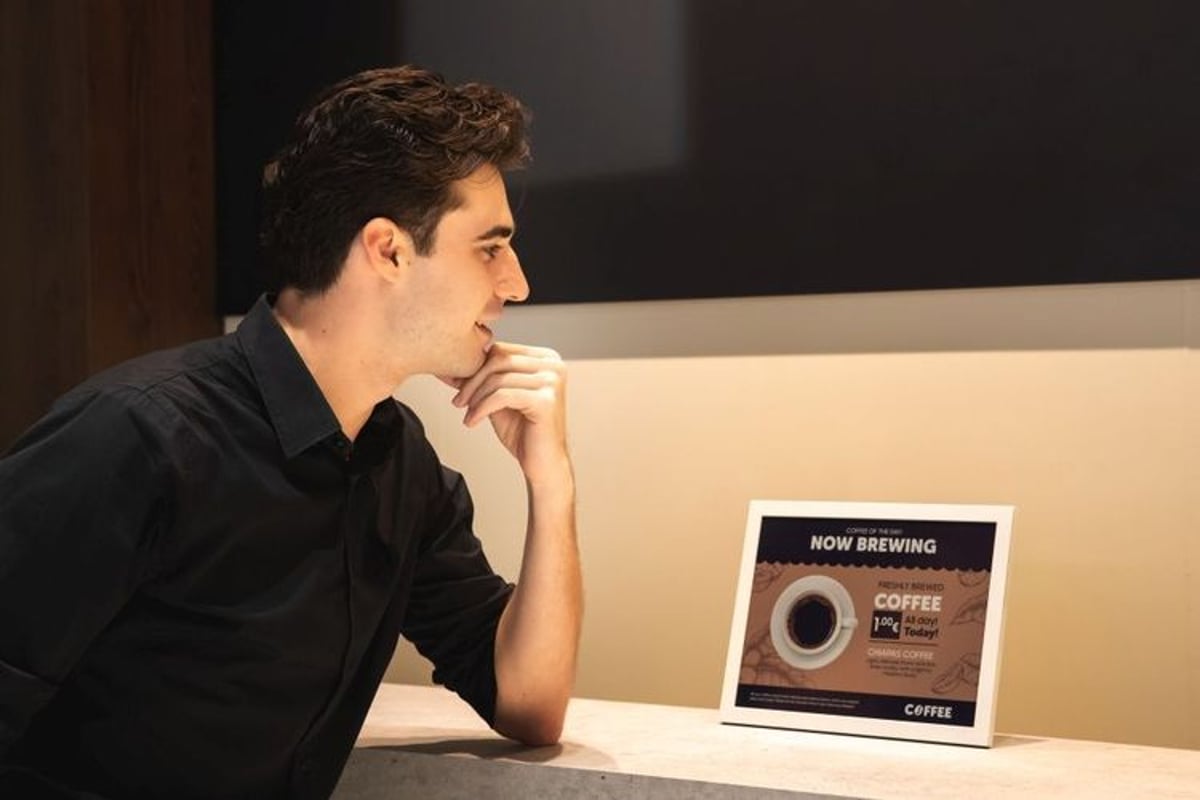
Samsung is making a quiet but pointed move in the enterprise display space. The company just launched its 13-inch Color E-Paper display - the EM13DX model - featuring a housing built from phytoplankton-derived bio-resin. It's the first commercial display to use this material at scale, and Samsung's betting it can replace traditional printed signage in retail stores, office lobbies, and anywhere else businesses still tape up paper posters.
"As businesses look for more flexible and efficient ways to communicate, Samsung Color E-Paper represents a shift in how digital signage fits into everyday operations," Hyoung Jae Kim, Executive Vice President of Visual Display at Samsung Electronics, told Samsung Newsroom. The pitch is straightforward - ditch paper waste, cut energy costs, and do it with a material that sounds like something from a science fiction novel.
The housing is independently verified by UL to consist of 45% recycled plastic and 10% phytoplankton-based bio-resin. Samsung claims this bio-resin alternative to petroleum-based plastics reduces manufacturing carbon emissions by more than 40%, based on Product Carbon Footprint data following ISO standards. Even the packaging is 100% paper - box, cushion, and all. It's clear Samsung's targeting corporate sustainability goals as much as it's selling display tech.
But the real hook here isn't just the algae-based casing. The display itself runs on advanced digital ink technology that consumes zero watts when showing static images. That's not a typo - when content isn't updating, the screen draws no power at all. For businesses running signage 24/7, the energy savings stack up fast. When content does refresh, power consumption still runs far below conventional LED or LCD displays.
The 13-inch model delivers 1,600 x 1,200 resolution in a 4:3 aspect ratio - roughly A4 paper size - and weighs just 0.9kg with its rechargeable embedded battery. It's 17.9mm thin, supports USB Type-C, and ships with mounting brackets and stands. The color imaging algorithm enhances accuracy and readability to mimic the look of traditional printed posters, smoothing gradations and refining contours to help businesses transition from paper to digital without jarring visual changes.
Samsung's also rolling out companion software to manage these displays at scale. The Samsung E-Paper App for Android and iOS lets staff update content locally from their phones. For larger deployments, Samsung VXT - the company's cloud-based content management platform - handles remote device settings, troubleshooting, and content deployment. The platform includes color accuracy preview tools specifically designed for e-paper displays, addressing one of the longstanding pain points in digital signage management.
This launch arrives as Samsung continues to dominate the digital signage market. According to Omdia's Q3 2025 Public Display Report, Samsung holds a 36.2% global market share by volume, maintaining its 17-year streak as the world's leading commercial display provider. The company's now expanding its Color E-Paper lineup beyond the existing 32-inch model - a 20-inch version will debut at ISE 2026 in Barcelona from February 3-6.
The timing matters. Enterprise buyers are under increasing pressure to meet sustainability targets, and displays represent a visible, measurable area for improvement. E-paper technology has been around for years, mostly in e-readers and shelf labels, but Samsung's pushing it into broader signage use cases where paper still dominates due to cost and simplicity. If the phytoplankton bio-resin housing can scale without premium pricing, it could set a new baseline for sustainable display manufacturing.
Competitors like E Ink Holdings and display manufacturers from LG to Sharp will be watching closely. The bio-resin approach isn't easily replicable without supply chain partnerships, but if Samsung proves demand exists, expect rivals to accelerate their own sustainable material R&D. For now, Samsung's carved out a distinct positioning - enterprise-grade e-paper with a sustainability story that resonates in boardrooms and ESG reports alike.
The real test will be adoption rates. E-paper displays cost more upfront than traditional signage solutions, even if operating costs tilt favorable over time. Samsung's betting that corporate buyers will bite on the combination of zero-watt static display, bio-resin credentials, and cloud management tools. If they're right, this could be the start of a broader shift away from petroleum-based display materials across the industry.
Samsung's phytoplankton e-paper play is a calculated move into sustainable enterprise hardware. The zero-watt static display solves a real pain point, while the bio-resin housing gives corporate buyers a tangible sustainability win. With a 36.2% market share in digital signage and ISE 2026 on the calendar, Samsung's testing whether enterprises will pay a premium for displays that cut both energy costs and carbon footprints. If adoption picks up, expect the rest of the industry to start sourcing algae.