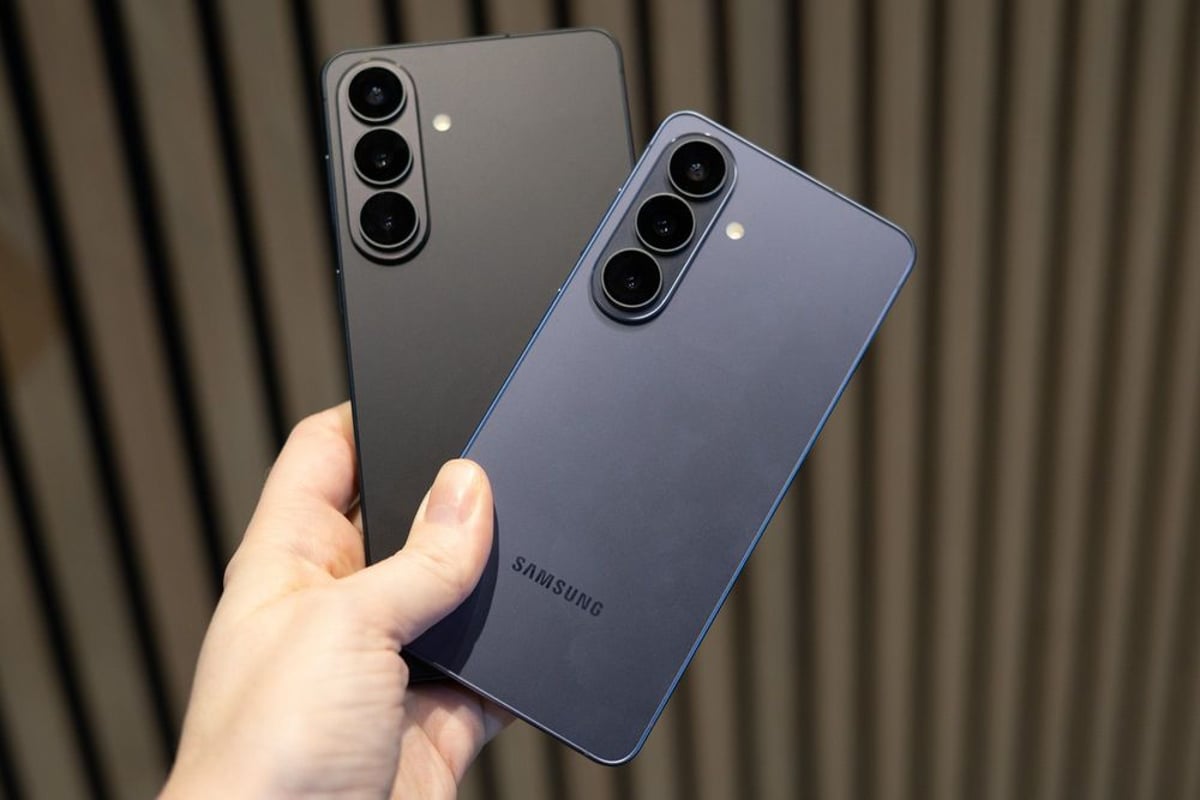
Samsung just unveiled its Galaxy S26 lineup at Unpacked, but the base models are drawing criticism for a familiar pattern: incremental updates paired with higher prices. While the S26 Ultra scores exclusive hardware like a Privacy Display without a price increase, the standard S26 and S26 Plus are essentially software refreshes that cost more than their predecessors. The move raises fresh questions about whether AI-powered features alone can justify premium smartphone pricing in 2026.
Samsung pulled back the curtain on its Galaxy S26 lineup today, and the reaction from early reviewers is mixed. The company's betting big on AI-driven software features to justify higher prices on its base models, even as the most interesting hardware innovation gets reserved for the Ultra tier.
The Galaxy S26 and S26 Plus both carry higher price tags than the S25 generation, despite what The Verge describes as mostly software updates. Meanwhile, the S26 Ultra not only gets exclusive hardware features like a new Privacy Display but also avoids a price hike entirely. It's a curious product strategy that suggests Samsung sees its mainstream customers as more willing to pay extra for AI capabilities than flagship buyers are to absorb another price increase.
The software updates aren't trivial, to be fair. Audio Eraser now works across third-party apps, letting users filter background noise and enhance voices during calls or video playback. It's the kind of feature that sounds modest on a spec sheet but could genuinely improve daily use, especially for anyone who takes calls in noisy environments or struggles to hear dialogue in videos.
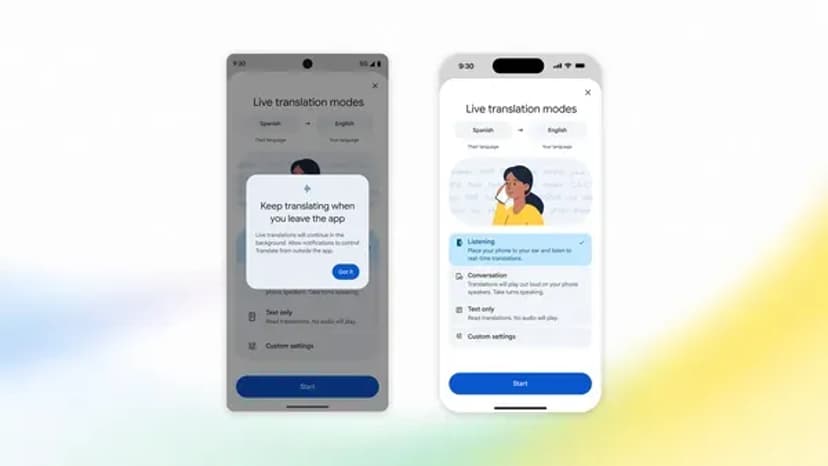
But the real story is Google's deeper Gemini AI integration. The assistant is finally getting agentic, performing multi-step tasks like booking an Uber ride without constant hand-holding. According to Samsung's presentation, users can now ask Gemini to handle complex requests that previously required jumping between apps. Need a ride to the airport at 6 AM and a reminder to check in for your flight? Gemini's supposed to handle both.
This is the promise AI assistants have been making for years, and if it actually works reliably, it could mark a genuine shift in how people interact with their phones. The question is whether that's worth paying more for hardware that's otherwise unchanged. Samsung is clearly counting on yes.
The pricing decision reflects a broader industry tension. As smartphone hardware improvements become more incremental, manufacturers are hunting for new ways to justify annual upgrades and price increases. AI features have emerged as the industry's favorite answer, but consumer patience with that pitch may be wearing thin. When the S26 Ultra, which includes actual hardware innovation, doesn't get more expensive while the base models do, it sends a confusing message about value.
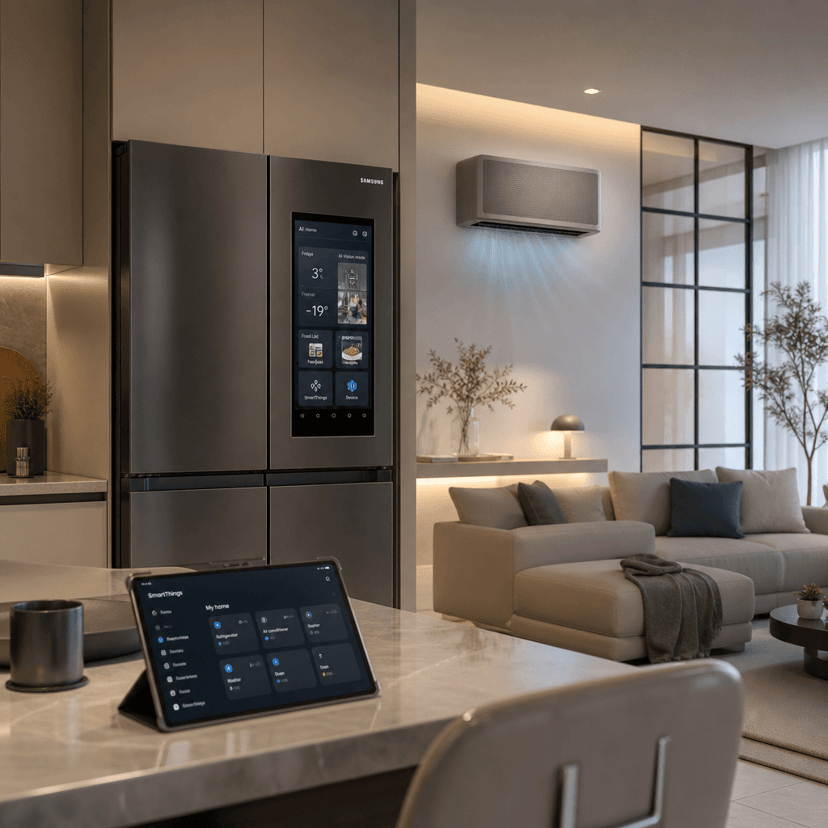
Industry analysts have noted that Samsung faces intense competition from Chinese manufacturers offering comparable specs at lower prices, particularly in markets outside the US. The company's response has been to double down on software differentiation and ecosystem integration with partners like Google. Whether that strategy works depends largely on whether consumers buy the idea that AI assistants are worth a premium.
The timing is notable too. This comes as the smartphone market continues to struggle with longer upgrade cycles. People are holding onto their phones longer than ever, and convincing them to buy a new device increasingly requires either killer hardware features or software capabilities they genuinely can't live without. Samsung's clearly hoping Gemini's new tricks fall into the latter category.
For developers and the broader tech ecosystem, the S26 lineup represents another data point in the ongoing experiment of whether AI can drive consumer hardware sales. If these phones sell well despite the criticism, expect other manufacturers to follow the same playbook. If they don't, we might see a return to competing on hardware specs and design rather than assistant capabilities.
The other elephant in the room is that many of these software features will likely trickle down to older Samsung devices through updates. Unlike a new camera sensor or display technology, AI features powered by cloud services can often reach previous-generation hardware. That makes the value proposition even trickier for Samsung to articulate.
Samsung's Galaxy S26 and S26 Plus represent a calculated gamble that AI features can command premium pricing without corresponding hardware upgrades. The company's choice to reserve its Privacy Display innovation for the Ultra while raising prices on the base models suggests a belief that mainstream buyers will pay more for software capabilities than flagship buyers will tolerate further price increases. Whether consumers agree will shape not just Samsung's strategy but the entire smartphone industry's approach to AI integration. For now, the S26 lineup offers a clear test case: can clever software justify higher prices when the hardware stays largely the same?