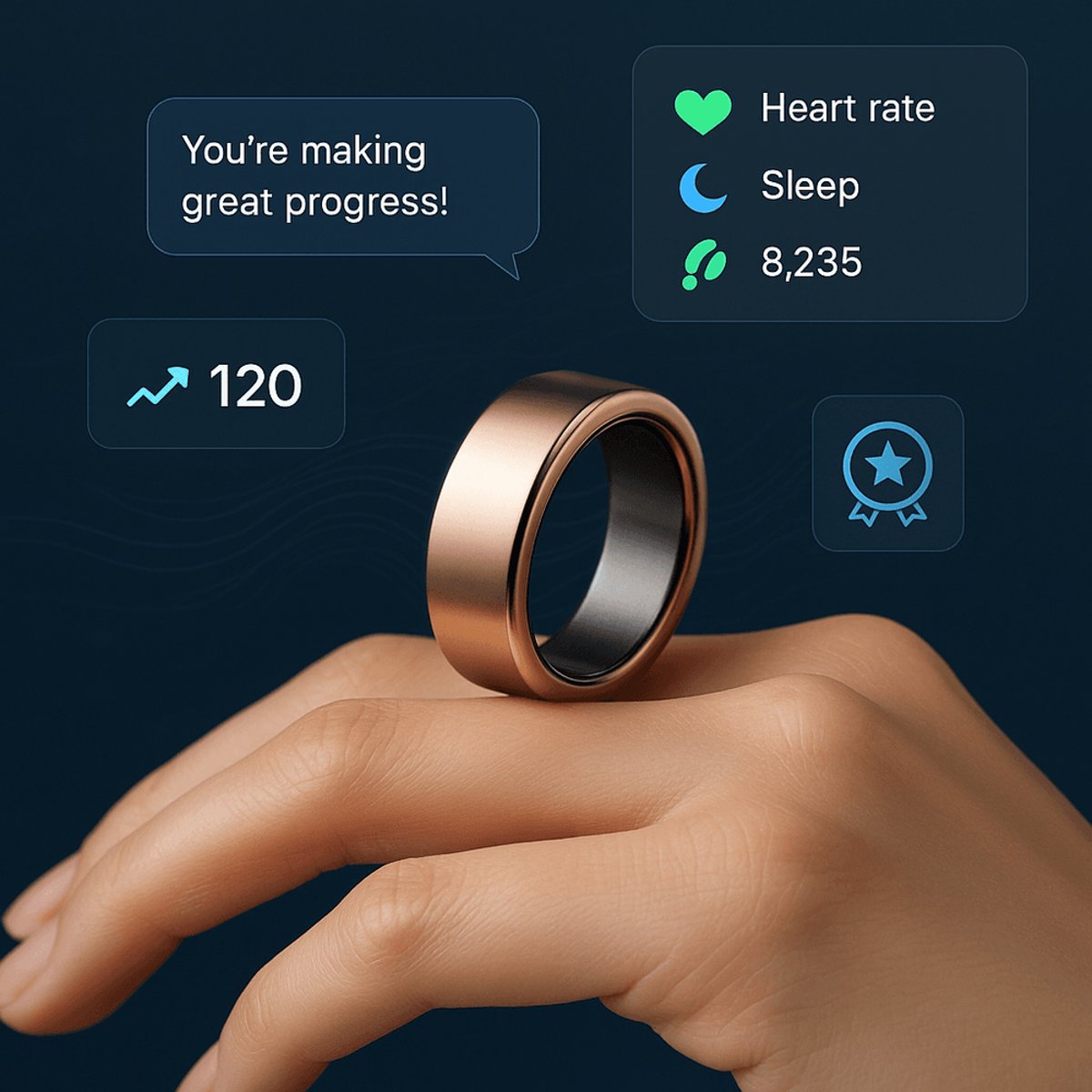
Wearable startup CUDIS is taking a fresh swing at the crowded health tracking market with a new smart ring that pairs AI-powered coaching with a gamification twist. The device incentivizes healthy behavior through a points system that users can redeem for actual health products, according to TechCrunch. It's a direct challenge to established players like Oura and the growing field of AI health companions, but with a loyalty program angle that could reshape how consumers engage with wellness tech.
CUDIS is betting that consumers will stick with health tracking if there's tangible rewards waiting at the finish line. The startup unveiled its new health ring line that marries biometric monitoring with an AI coach designed to offer personalized wellness guidance, but the real hook is the points system that turns daily steps and sleep quality into currency for health products.
The approach represents a calculated gamble in a market where user engagement remains the perpetual problem. While Oura has dominated the smart ring category with its sleek hardware and subscription model, retention rates across the wearables industry tell a sobering story. Research firm CCS Insight found that one-third of fitness trackers get abandoned within six months. CUDIS is essentially asking: what if your ring paid you to keep wearing it?
The AI coaching component puts the startup in conversation with a wave of health tech companies racing to integrate large language models into wellness products. Amazon recently shut down its Halo division, but not before experimenting with AI-powered health recommendations. Apple continues to quietly develop health AI features for its Watch ecosystem. The difference here is the rewards infrastructure, which could give CUDIS an edge in behavior change psychology.
The timing is strategic. Smart ring shipments grew 60% year-over-year according to market data, with the category poised to hit $1.5 billion by 2028. Samsung entered the space last year with its Galaxy Ring, validating the form factor for mainstream consumers. But most players are still competing on sensor accuracy and battery life. CUDIS is shifting the battlefield to engagement economics.
The points-for-products model borrows playbooks from both fintech and insurance. Companies like Vitality and John Hancock already reward policyholders for healthy behaviors tracked through wearables. Credit card companies have perfected points ecosystems that keep users loyal. CUDIS appears to be fusing these concepts into consumer hardware, potentially creating a new monetization path beyond subscriptions.
Questions remain about the economics. Running a rewards marketplace requires partnerships, inventory management, and margin calculations that most hardware startups don't typically handle. The company will need to balance point generosity against product costs while keeping the AI coaching genuinely useful rather than just a chatbot wrapper. And there's the privacy consideration - AI health coaches need access to intimate biometric data to deliver personalized guidance.
The launch comes as AI wearables face growing scrutiny. The Humane AI Pin flopped spectacularly despite massive hype. Meta's Ray-Ban smart glasses found traction, but mostly for camera features rather than AI. Success in this space requires nailing the core use case first, then layering in intelligence that actually improves the experience. For a health ring, that means accurate tracking, comfortable design, and actionable insights.
CUDIS joins a crowded field of startups trying to differentiate in wearables through software and services. The company hasn't disclosed pricing, availability, or technical specifications like battery life and sensor suite. Those details matter enormously in a category where Oura charges $299-$349 for hardware plus $6 monthly for full features.
The broader trend here is undeniable: wearable companies are realizing that hardware alone isn't defensible. Apple locks users into its ecosystem. Whoop built a cult following with its coaching and community. CUDIS is experimenting with rewards as the sticky layer. Whether consumers will respond to points and AI pep talks remains to be seen, but the startup is at least trying something different in a space that desperately needs innovation beyond incremental sensor improvements.
CUDIS is making a calculated bet that the future of wearables isn't just better sensors or smarter AI, but creating economic incentives that keep people engaged long after the novelty wears off. The combination of personalized AI coaching with tangible rewards addresses the industry's biggest pain point - abandonment rates - but execution will be everything. If the company can deliver accurate tracking, genuinely helpful AI insights, and a rewards program that feels valuable rather than gimmicky, it might have found a formula that reshapes how consumers think about health tech. The alternative is becoming another cautionary tale in a market littered with overhyped wearables that solved problems nobody had.