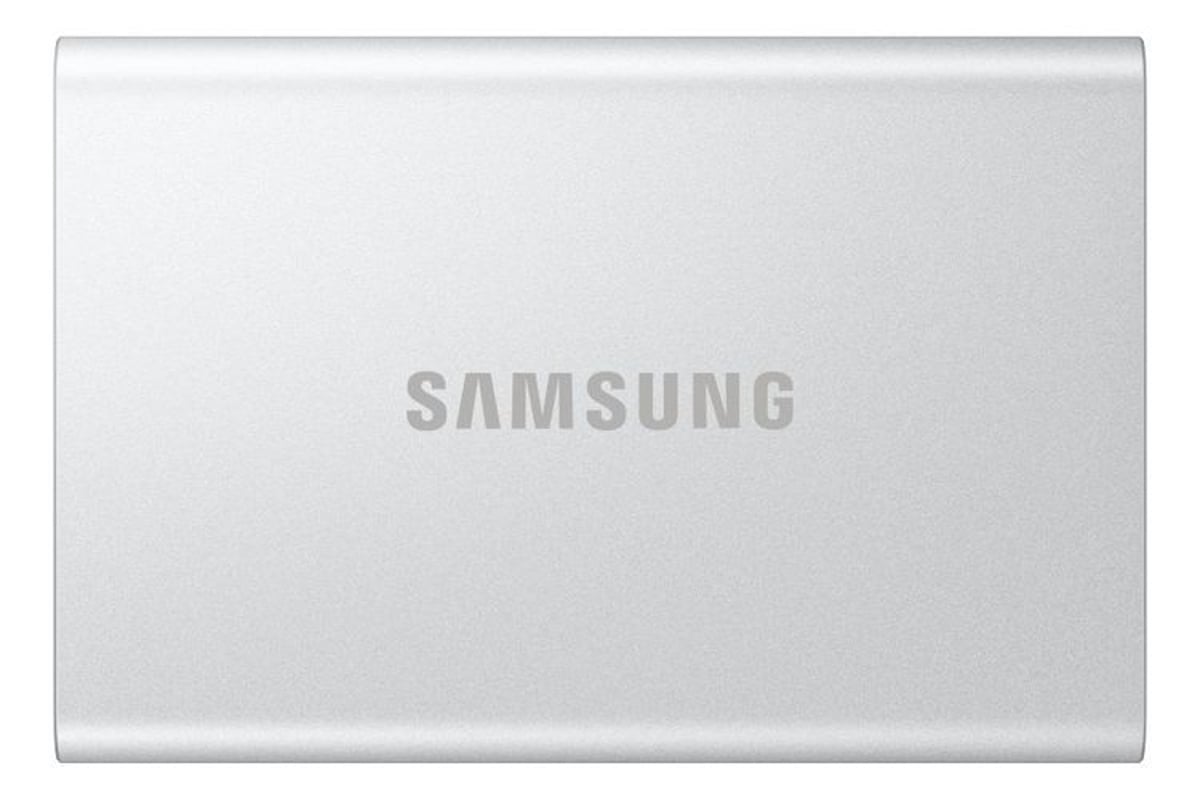
Samsung just turned e-waste into premium storage. The company's new T7 Resurrected portable SSD is built entirely from recycled aluminum sourced from Galaxy smartphone production scraps - a first for the storage industry that's already earning recognition with a 2026 CES Innovation Award.
Samsung just made sustainability sexy in the storage world. The Korean tech giant's latest portable SSD doesn't just store your data - it tells a story about turning waste into premium hardware that creators actually want to use.
The T7 Resurrected launches November 30 with a body crafted entirely from aluminum scraps generated during Galaxy smartphone production. According to Samsung's announcement, the company will use 35 tons of recycled aluminum to produce approximately 800,000 units, with each drive containing 44 grams of repurposed metal certified by TÜV Rheinland.
But here's what makes this launch significant: Samsung isn't compromising on performance for sustainability points. The T7 Resurrected delivers identical specs to its predecessor - 1,050 MB/s sequential read speeds and 1,000 MB/s write speeds over USB 3.2 Gen 2. That's fast enough to handle 4K video editing on location, which is exactly what Samsung's targeting with its creator-focused marketing.
The timing couldn't be better. Content creators are increasingly conscious about their environmental footprint, and Samsung's betting they'll pay premium prices for hardware that aligns with their values. The company's pricing strategy reflects this confidence: $119.99 for 1TB, $205.99 for 2TB, and $378.99 for 4TB models - competitive with traditional portable SSDs despite the sustainable manufacturing process.
What's particularly clever is how Samsung eliminated the coloring process entirely, letting the natural aluminum finish show through. This isn't just an aesthetic choice - it reduces chemical usage and streamlines manufacturing while creating a distinctive look that screams "eco-premium." The packaging follows suit with 100% recycled paper and ASA-certified soy ink.
Samsung already secured external validation for this approach. The T7 Resurrected won the 2026 CES Innovation Award in the Sustainability & Energy category before it even hits shelves. That kind of industry recognition suggests Samsung's onto something bigger than just one product launch.
The technical specs remain impressive despite the sustainable focus. The credit card-sized drive packs AES 256-bit hardware encryption, drop resistance up to two meters, and broad compatibility across Windows, macOS, and Android platforms. Samsung's Magician software provides additional management features for power users.
Competitors are watching closely. While companies like Western Digital and SanDisk have made sustainability commitments, none have achieved 100% recycled materials in portable storage. Samsung's cross-division resource circulation - using Galaxy production waste for storage products - could become a template for the entire industry.
The creator market Samsung's targeting is substantial and growing. Mobile content creators need reliable, fast storage that travels well, and they're increasingly willing to pay premiums for products that align with their brand values. The T7 Resurrected's compact form factor and robust performance specifications position it perfectly for this demographic.
Samsung's broader strategy becomes clear when you consider their semiconductor roadmap. The company's pushing sustainable manufacturing across its entire portfolio, and storage products offer an ideal testing ground for circular economy principles. Success here could influence everything from memory chips to displays.
Analysts expect strong initial demand, particularly among professional creators and sustainability-conscious consumers. The November 30 global launch timing capitalizes on holiday shopping while positioning Samsung as the sustainability leader in portable storage for 2025.
Samsung's T7 Resurrected represents more than just another storage product launch. It's a proof point that sustainable manufacturing can deliver premium performance without compromise. By turning Galaxy production waste into high-performance SSDs, Samsung's creating a blueprint for circular economy principles in consumer electronics. The real test won't be the CES award or creator adoption - it'll be whether competitors follow Samsung's lead and transform e-waste recycling from marketing buzzword into standard practice. For creators shopping this holiday season, the T7 Resurrected offers something rare: cutting-edge performance with a clear conscience.