Target just became the latest retail giant to bet big on AI shopping. The company debuts its ChatGPT-powered app next week, letting customers build baskets, get product ideas, and complete purchases through natural conversation. It's OpenAI's boldest retail expansion yet, coming as the AI company races to capture billions in commerce revenue through its growing marketplace of shopping-enabled apps.
Target is about to transform how America shops, and it's doing it through a conversation. The retail giant launches its ChatGPT-powered shopping app next week, marking OpenAI's most aggressive push into commerce yet as the AI company races to capture billions in retail revenue.
The timing couldn't be more strategic. Just last month, OpenAI started rolling out dedicated retail apps within ChatGPT, signing up major players like Expedia, Spotify, and Zillow. Now Target's entry signals this isn't just experimentation - it's a full-scale assault on traditional e-commerce.
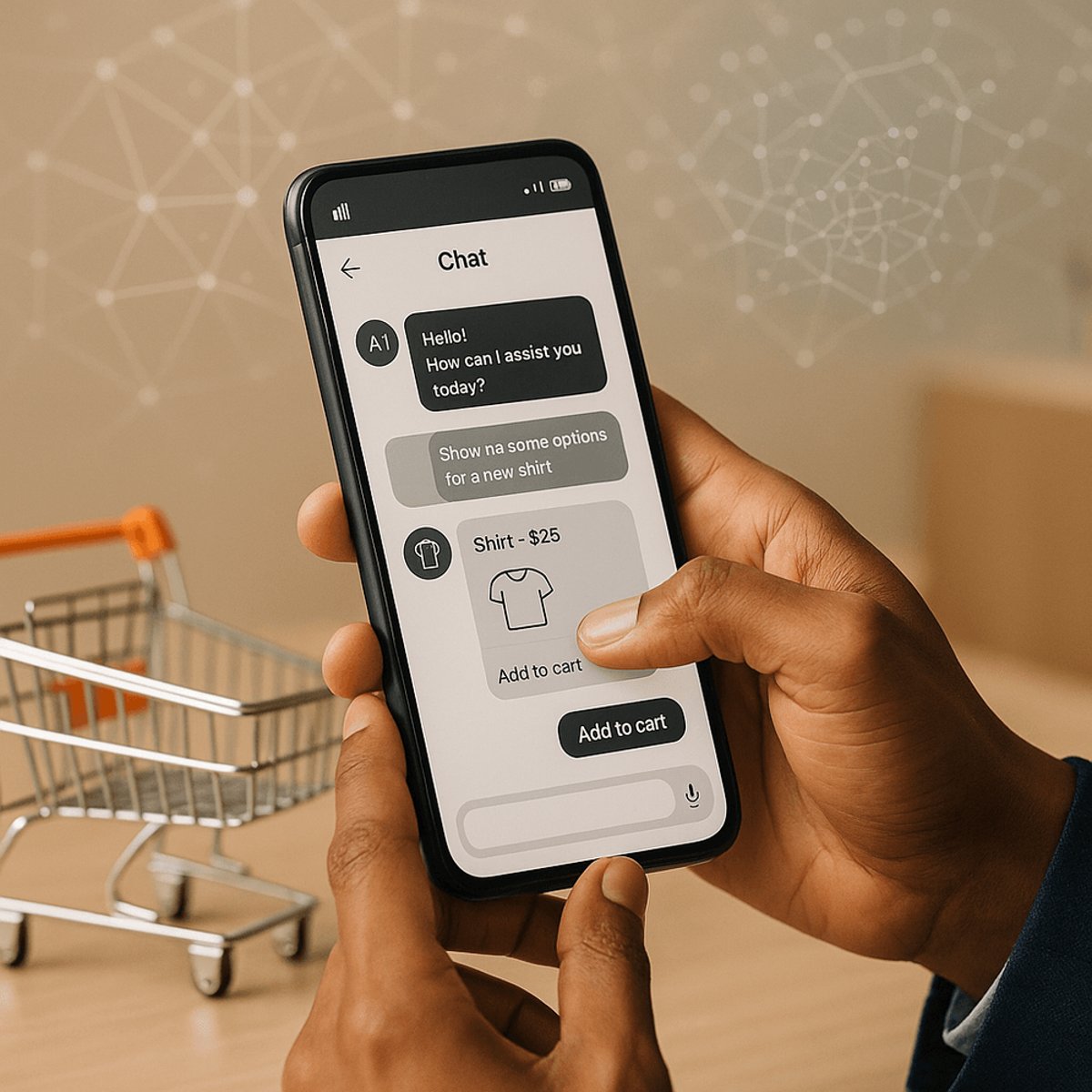
"The Target app will let shoppers ask for ideas, browse and build multi-item baskets, shop for food, and check out," according to OpenAI's announcement. That's not just product discovery - it's complete transactional capability wrapped in natural language. Customers can literally say "I need ingredients for Thanksgiving dinner for 8 people" and walk away with a fully curated, purchasable cart.
The move puts OpenAI in direct competition with Google's shopping features and Amazon's Alexa commerce push. But unlike voice assistants that require specific commands, ChatGPT's conversational interface feels more like texting a knowledgeable friend who happens to have access to Target's entire inventory.
What makes this partnership deeper than others is the enterprise component. Target isn't just offering ChatGPT to customers - it's deploying ChatGPT Enterprise across all 18,000 headquarters employees. The applications span from supply chain forecasting to streamlining store processes, potentially giving Target operational advantages that competitors can't easily replicate.
"Target will further integrate OpenAI's models into digital tools that power everything from employee support and customer service to AI-driven shopping assistants and personalized gift finders," the companies revealed. This suggests Target views AI not as a marketing gimmick, but as core infrastructure for competing in retail's next era.
The beta launch timing is crucial. With Black Friday and holiday shopping approaching, Target gets to stress-test its AI shopping experience during peak retail season. If the app handles the complexity of gift-finding conversations and bulk holiday purchases smoothly, it could fundamentally change customer expectations for online shopping.
OpenAI's retail strategy is becoming clearer with each partnership. Rather than building its own shopping platform, the company is inserting ChatGPT as the intelligent layer between customers and existing retailers. Products like "Instant Checkout" let users complete purchases with Etsy and Shopify merchants without leaving the conversation, capturing transaction fees in the process.
For Target, the gamble is significant. The company is essentially training customers to expect AI-powered shopping experiences, which could backfire if the technology disappoints or if competitors offer superior AI tools. But given Target's history of digital innovation - from mobile payments to same-day delivery - the retailer appears confident in its AI bet.
The broader implications extend beyond retail. OpenAI's commerce push represents a new business model for AI companies: rather than just selling API access, they're taking a cut of actual transactions. If successful, this could generate far more revenue than traditional software licensing.
Industry observers note that Target's customer base - typically more price-conscious and variety-seeking than luxury shoppers - provides an ideal testing ground for AI commerce. If ChatGPT can handle the complexity of finding "affordable party supplies for a 5-year-old's birthday with a dinosaur theme," the technology is ready for mainstream adoption.
Target's ChatGPT shopping app represents more than a new way to browse products - it's a preview of commerce's conversational future. As OpenAI builds its retail ecosystem through partnerships rather than direct competition, traditional e-commerce giants face a strategic choice: integrate AI deeply into their operations like Target, or risk being left behind by competitors who do. The beta launch will tell us whether customers are ready to shop by simply talking, and whether AI can handle the messy reality of real purchasing decisions. If it works, expect every major retailer to have a ChatGPT app by next holiday season.