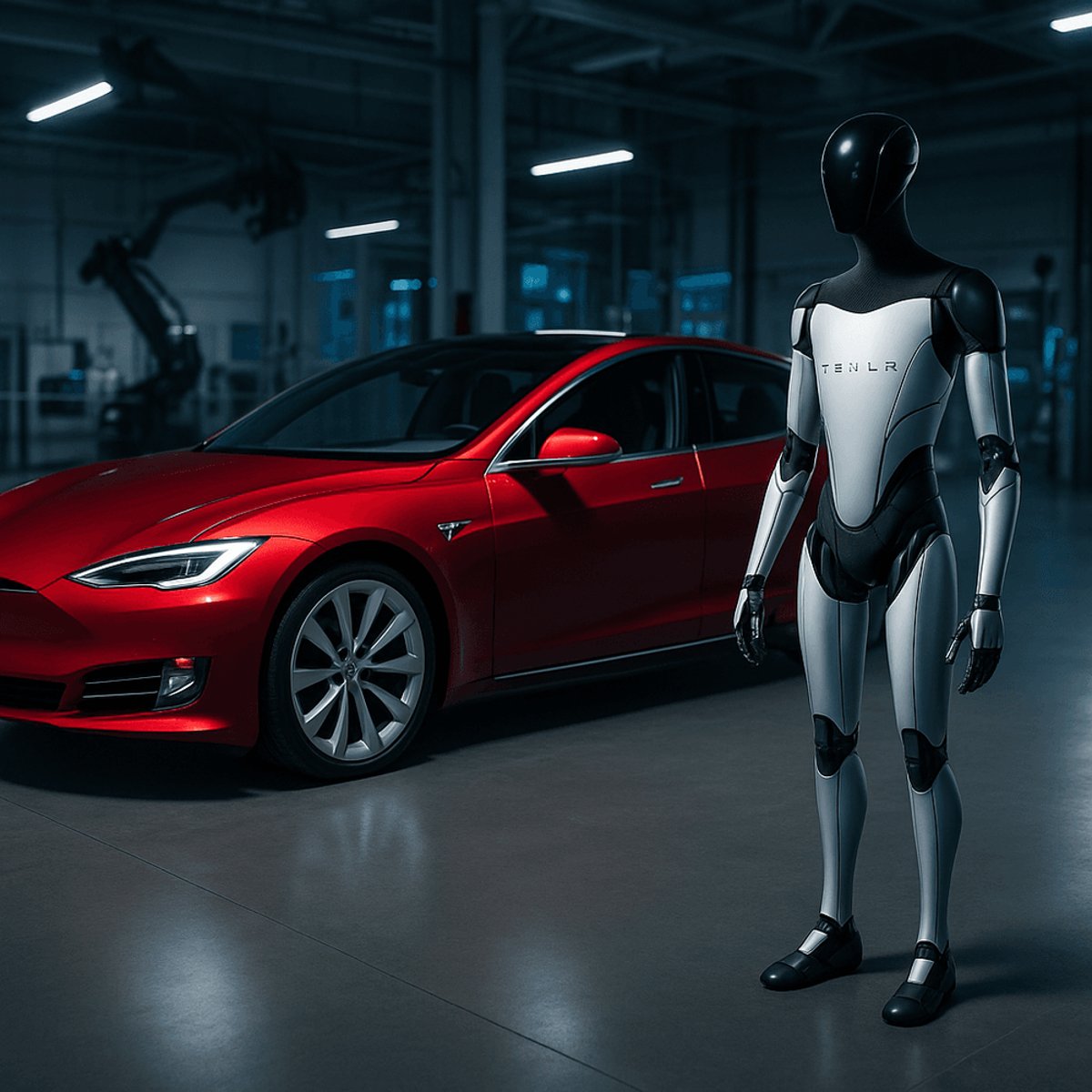
Tesla just pulled the plug on the cars that built its empire. CEO Elon Musk announced Wednesday during the company's earnings call that the Model S sedan and Model X SUV will stop rolling off assembly lines in Q2 2026, marking the end of the vehicles that made electric cars desirable and proved Tesla could compete with legacy automakers. The Fremont factory space will pivot to building Optimus humanoid robots as Tesla doubles down on its autonomy bet.
Tesla is saying goodbye to the vehicles that started it all. In a stunning announcement during Wednesday's quarterly earnings call, CEO Elon Musk revealed that production of the Model S sedan and Model X SUV will cease next quarter, ending more than a decade of manufacturing the pioneering electric vehicles that transformed the auto industry.
"It's time to basically bring the Model S and X programs to an end with an honorable discharge, because we're really moving into a future that is based on autonomy," Musk told investors, according to TechCrunch's coverage of the call. "So if you're interested in buying a Model S and X, now would be the time to order it."
The move marks a dramatic strategic shift for Tesla, which launched the Model S in 2012 as the first premium electric sedan that made EVs widely desirable beyond early adopters and environmental enthusiasts. The Model X followed as Tesla's second major vehicle program, bringing falcon-wing doors and SUV practicality to the electric revolution.
But the writing's been on the wall. Sales of both flagship models have stagnated in recent years despite multiple interior and exterior refreshes aimed at keeping them competitive. The luxury EV market has gotten crowded fast, with traditional automakers finally taking electrification seriously and well-funded startups like Rivian and Lucid Motors targeting the premium segment with fresh designs and compelling tech.
Musk acknowledged the bittersweet nature of the decision. "So that is slightly sad, but it's... it is time to bring the S and X programs to an end," he said during the call. The admission reveals how far Tesla has come from its early days when the Model S represented the company's entire bet on proving electric vehicles could be better than gas-powered alternatives.
The company always intended for its more affordable models - the Model 3 sedan and Model Y SUV - to vastly outsell their luxury siblings. That strategy worked almost too well, with the Model Y becoming one of the world's best-selling vehicles overall while the Model S and X increasingly looked like expensive relics of a different era in Tesla's evolution.
Now those Fremont factory lines are getting repurposed. Musk revealed that the same space currently building Model S and Model X vehicles will transition to manufacturing Optimus humanoid robots, Tesla's ambitious play to dominate robotics alongside transportation. The pivot underscores how aggressively Tesla is betting on autonomy and AI over traditional vehicle manufacturing.
Tesla committed to supporting existing Model S and Model X owners "for as long as people have the vehicles," Musk said, attempting to reassure current owners worried about parts availability and service. But the end of production means the end of an era for the EVs that proved electric cars could be fast, luxurious, and practical all at once.
The Model S set the template that every premium EV since has followed - long range, instant acceleration, over-the-air updates, and a massive center touchscreen. The Model X brought similar innovation to the SUV segment, even if its complex falcon-wing doors became more famous for occasional malfunctions than revolutionary design.
For buyers still interested in owning a piece of Tesla history, the clock's ticking. Production ends in Q2 2026, meaning final orders need to happen soon. After that, Tesla's lineup will consist entirely of the mass-market Model 3 and Y, the upcoming Cybertruck ramping production, and whatever autonomy-focused vehicles and robots emerge from Musk's vision of a self-driving future.
The discontinuation also raises questions about Tesla's premium positioning. Without the Model S and X, the company loses its halo vehicles that commanded six-figure prices and showcased cutting-edge technology before it trickled down to cheaper models. That space won't stay empty - Lucid's Air sedan and Mercedes' EQS are already filling the luxury EV void Tesla is about to leave behind.
Tesla's decision to kill the Model S and Model X isn't just about clearing factory space or cutting low-volume production - it's a statement about where Musk sees the company's future. The vehicles that made Tesla a household name and legitimized the entire EV industry are being sacrificed for a bet on autonomy and robotics. Whether that gamble pays off will define Tesla's next decade, but for now, the cars that started the electric revolution are getting an honorable discharge. If you want one, you've got about three months to decide.