A little-known social app called UpScrolled just became the unlikely beneficiary of TikTok's messy US ownership saga. The platform rocketed to the 12th spot on Apple's App Store this weekend as users fled TikTok following Oracle's controversial takeover - only to immediately crash under the weight of its sudden popularity. "You showed up so fast our servers tapped out," the company admitted on Bluesky, capturing the chaos of a social media migration happening in real time.
UpScrolled wasn't ready for its moment. The fledgling social platform, barely a year old, suddenly found itself drowning in new users this weekend as TikTok's American saga took another turn. After Oracle and a consortium of investors took control of TikTok's US operations last week, users started jumping ship - and many landed on UpScrolled's digital doorstep.
The exodus was swift enough to send the app to the 12th spot on Apple's App Store charts, but the infrastructure couldn't handle it. "You showed up so fast our servers tapped out," UpScrolled posted on Bluesky, scrambling to scale up capacity. It's the kind of problem every startup dreams of having - until they actually have it.
What's driving the migration isn't just the ownership change itself. Tech journalist Taylor Lorenz publicly announced her switch to UpScrolled, joining a growing chorus of users expressing concerns about potential censorship under the new regime. The timing couldn't be worse for TikTok - the platform simultaneously experienced major technical issues following the takeover, which it blamed on a power outage at one of its data centers.
UpScrolled's pitch is landing because it's simple and direct. Founded in 2025 by Issam Hijazi, a Palestinian-Jordanian-Australian technologist, the platform positions itself as the anti-algorithm alternative. Users can "freely express thoughts" while "ensuring every post has a fair chance to be seen," according to the company's website. The platform promises to remain "impartial" to political agendas, won't shadowban users or content, and will "uphold social responsibility."
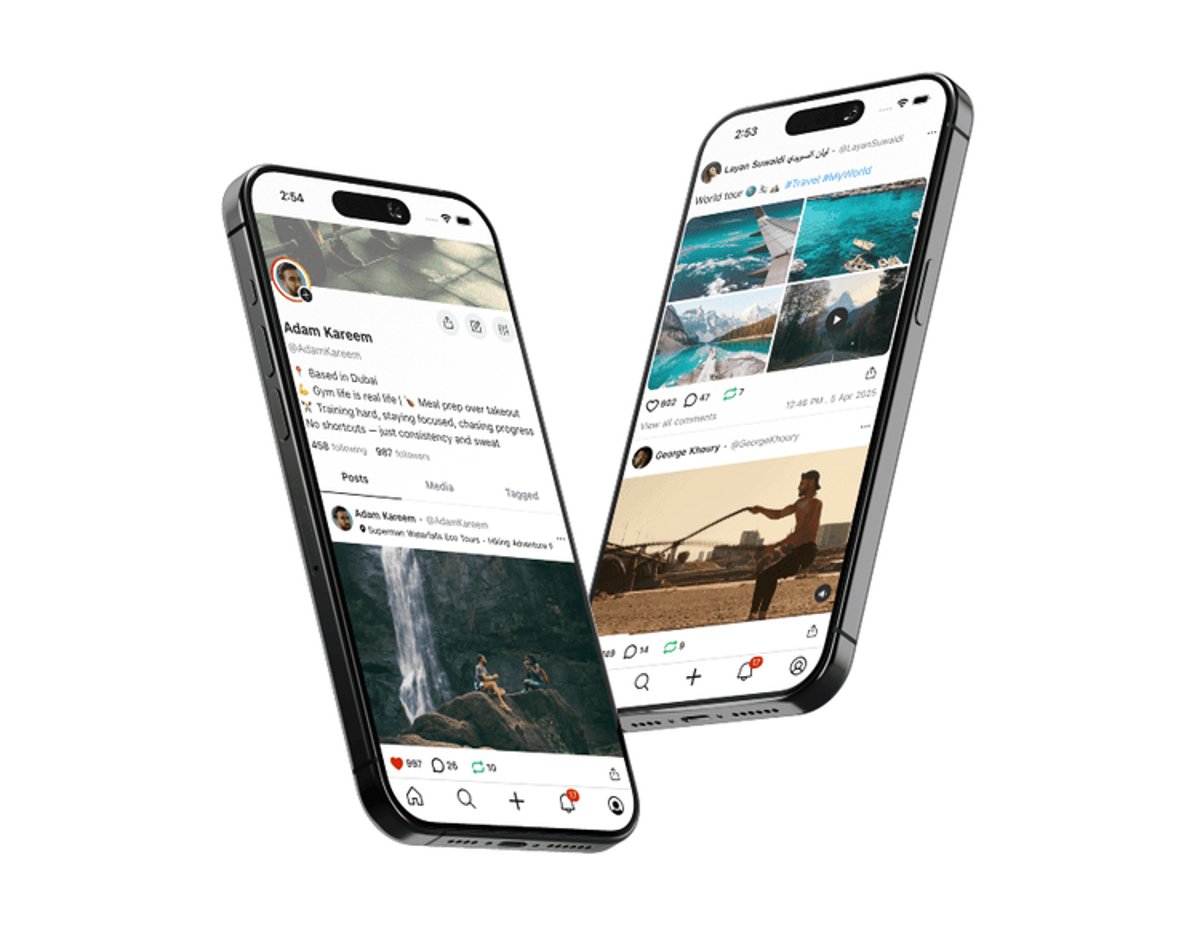
The interface itself feels familiar - a hybrid of Instagram's visual feed and X's text-first approach. Users can post photos, videos, and text updates, plus send private messages. Nothing revolutionary, which might be the point. In a moment when TikTok users are looking for somewhere to go, familiarity sells.
But UpScrolled is entering a crowded field of platforms trying to position themselves as havens from Big Tech content moderation. The migration pattern is becoming routine at this point. When TikTok faced its first ban scare last year, users flocked to RedNote, a Chinese social app. When Elon Musk's changes to X alienated users, Bluesky and Mastodon saw surges.
The question is whether UpScrolled can convert this moment into lasting traction. The app is available on both iOS and Android, but being available and being sustainable are different challenges. History suggests most users who flee one platform in protest eventually drift back or scatter across multiple alternatives.
What's different this time is the nature of the TikTok situation. This isn't about a terms of service change or a controversial feature update. The entire ownership structure of one of the world's largest social platforms just shifted to a group that includes Oracle, a enterprise software giant with limited consumer social media experience. Users aren't just worried about algorithm changes - they're concerned about fundamental shifts in content moderation philosophy.
UpScrolled's promise of impartiality and transparency directly addresses those fears. But promises are easy when you're small. The real test comes when you're big enough to matter, facing pressure from advertisers, governments, and competing user factions. Every social platform starts with idealistic principles about free expression. Few maintain them at scale.
For now, though, Hijazi and his team are dealing with more immediate problems - like keeping the servers running. The crash is both embarrassing and validating. It proves people want an alternative badly enough to overwhelm a new platform's infrastructure. Whether they'll stick around once the servers stabilize is another question entirely.
UpScrolled's server crash is the digital equivalent of a restaurant running out of food on opening night - simultaneously a disaster and proof of concept. The platform is riding a wave of genuine user anxiety about TikTok's future under Oracle, but converting crisis-driven signups into a sustainable community will require more than promises of impartiality. The social media graveyard is littered with platforms that captured a moment but couldn't hold it. UpScrolled has its moment. What happens next depends on whether Hijazi can scale infrastructure as fast as user expectations - and whether those users have anywhere else to go.