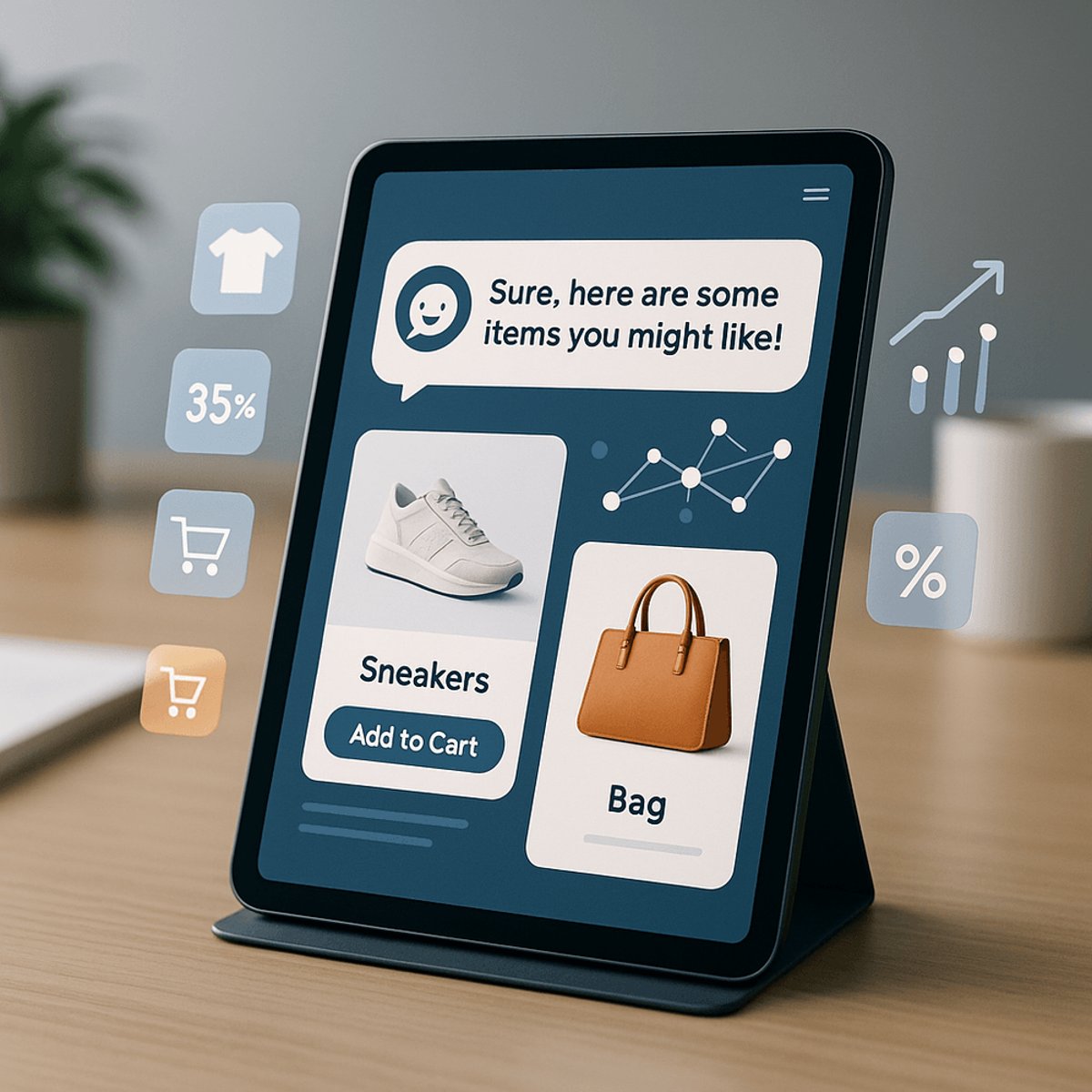
Amazon's AI chatbot Rufus just proved its worth during Black Friday's biggest shopping test. Sessions using the AI assistant converted at 100% higher rates compared to just 20% for regular browsing, according to Sensor Tower data. This marks a pivotal moment where AI shopping tools show measurable impact on actual purchase behavior, not just engagement metrics.
Amazon's Rufus AI chatbot just delivered the most compelling evidence yet that conversational AI can drive real commerce results. During Black Friday's retail frenzy, sessions involving the shopping assistant converted at dramatically higher rates than traditional browsing, marking a watershed moment for AI in e-commerce.
The numbers tell a striking story. According to Sensor Tower data published over the weekend, Amazon sessions that included Rufus and resulted in purchases surged 100% compared to the trailing 30-day average. Meanwhile, sessions without the AI assistant that led to sales increased by just 20% - a five-fold difference that suggests shoppers are finding genuine value in AI-powered product discovery.
But the conversion advantage extends beyond just monthly comparisons. Day-over-day on Black Friday itself, Rufus-powered sessions that converted jumped 75%, while non-AI sessions converting grew only 35%. Even session volume favored the AI tool, with Rufus interactions growing 35% versus 20% for overall Amazon traffic.
Amazon launched Rufus into beta in early 2024 before rolling it out to all US customers later that year. The chatbot helps shoppers find products, get recommendations, and perform comparisons - essentially serving as a digital shopping companion that can understand natural language queries about everything from electronics specs to gift ideas.
The Rufus surge reflects a broader AI shopping revolution that's reshaping how consumers discover and purchase products. Adobe Analytics, which tracks over 1 trillion visits to US retail sites, found that AI traffic to retail websites exploded 805% year-over-year on Black Friday. That's not just curiosity browsing - shoppers arriving from AI services proved 38% more likely to actually make purchases compared to traditional traffic sources.
The AI shopping boom concentrated on classic Black Friday categories like electronics, video games, appliances, toys, and personal care items. It's exactly where you'd expect price-conscious consumers to want help navigating deals, comparing features, and finding the best value. An Adobe survey found that 48% of respondents have used or plan to use AI specifically for holiday shopping.
Yet the broader retail picture reveals some economic headwinds beneath the AI success story. While Black Friday set a record $11.8 billion in online spending, Salesforce data showed the growth came from 7% higher prices rather than increased buying volume, which actually dropped 1%. Consumers appear more selective and price-sensitive, making AI-powered deal hunting even more valuable.
Sensor Tower data supports this cautious spending pattern. Amazon and Walmart mobile app downloads grew 24% and 20% respectively on Black Friday compared to the previous month - solid gains, but slower than 2024's 50% and 75% jumps. Website traffic showed similar moderation, with Amazon and Walmart visits up 90% and 100% versus 95% and 130% the previous year.
The Rufus results suggest that while overall shopping growth is cooling, AI tools are becoming essential for navigating an increasingly complex retail landscape. When budgets are tight and choices are overwhelming, having an AI assistant that can instantly compare products, explain technical differences, and highlight the best deals becomes incredibly valuable.
For Amazon, these metrics validate a significant AI investment at exactly the right moment. As traditional e-commerce growth slows and competition intensifies, Rufus provides a differentiated shopping experience that's clearly driving incremental sales. The 5x conversion advantage over non-AI sessions isn't just a nice-to-have feature - it's becoming a competitive necessity.
The broader implications extend well beyond Amazon's marketplace. If AI shopping assistants can consistently drive higher conversion rates, every major retailer will need similar capabilities to remain competitive. We're likely seeing the early stages of an AI arms race in e-commerce, where the quality of conversational shopping experiences becomes as important as price and selection.
The Rufus results represent more than just impressive metrics - they signal AI's transition from experimental feature to essential commerce infrastructure. As shopping becomes more complex and consumers more selective, AI assistants that can genuinely improve the discovery and decision-making process will become table stakes for major retailers. Amazon's 5x conversion advantage with Rufus isn't just validation of their AI strategy; it's a preview of where the entire industry is heading.