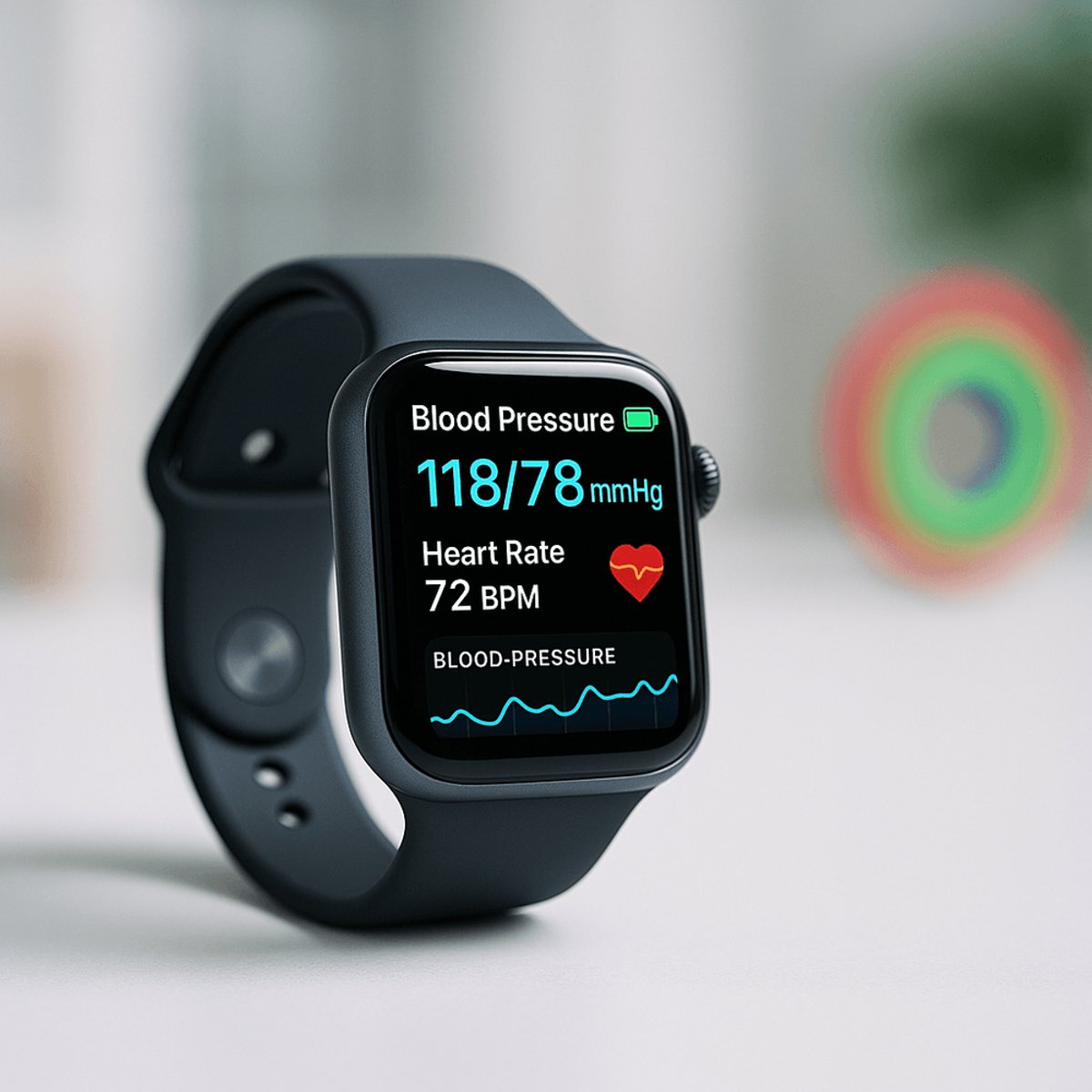
Apple just made its newest wearable a lot more accessible. The Apple Watch Series 11, which launched last fall with significant battery improvements and FDA-cleared blood pressure monitoring, is now selling for $299 at Amazon and Best Buy - a rare $100 discount on hardware that typically holds its value. The cellular-enabled version is down to $399, marking one of the first substantial price cuts since the device hit shelves.
Apple doesn't discount its newest hardware often, which makes the current $100 price drop on the Watch Series 11 worth paying attention to. The device launched in September 2025 at $399 for the GPS-only model, and it's already hitting $299 at major retailers like Amazon and Best Buy. The cellular version, originally $499, is now $399.
This isn't just another smartwatch refresh. The Series 11 marked the biggest battery leap in years for Apple's wearable line. The company finally delivered true all-day performance with enough juice left over for sleep tracking at night - something users have been requesting since the original Watch launched back in 2015. Previous models required daily charging, often mid-afternoon for heavy users.
The battery improvements came from a combination of a larger battery cell and optimization work in watchOS 12, according to Apple's technical specs. The result is roughly 30% more battery life compared to the Series 10, which translates to about 18 hours of typical use versus the previous 12-14 hours.
But the real headline feature is blood pressure monitoring. The Series 11 includes new sensors that track your blood pressure trends over a two-week baseline period, then alert you if readings suggest you should see a doctor. It's not a medical-grade device - Apple is careful to position it as a wellness tool - but it received FDA clearance for consumer use. The feature builds on existing heart health capabilities like ECG and irregular rhythm notifications that have been credited with saving lives.
"While it isn't an official medical device, it's cleared by the FDA, and at least gives you some helpful information from information it was already gathering anyway," according to Wired's hands-on review. The monitoring happens passively throughout the day using optical sensors on the watch's underside.
The timing of this discount is interesting. Apple Watch price cuts typically don't happen until six to eight months after launch, usually to clear inventory before the next generation arrives in September. This four-month window suggests either strong initial sales that allowed Apple to meet targets early, or slower-than-expected demand prompting retailers to move units.
The competitive landscape might also be playing a role. Samsung recently dropped prices on the Galaxy Watch 7, while Google continues to push its Pixel Watch 3 with aggressive promotions. The smartwatch market has become increasingly crowded, with even budget players like Amazfit offering advanced health tracking at sub-$200 price points.
Both Amazon and Best Buy are offering the discount across multiple color options and band combinations, though availability varies. The GPS-only model in jet black aluminum with a sport band appears to have the widest availability at $299. The cellular versions at $399 have fewer configuration options at the sale price.
For anyone sitting on an older Apple Watch - particularly a Series 6 or earlier - this represents a meaningful upgrade opportunity. Those models are now showing their age with battery life that often requires midday charging and lack many of the health features that have become standard. The Series 11's sleep tracking capabilities alone make the all-day battery essential.
The watch retains all the expected features: fitness tracking for various sports, ECG capability, fall detection, emergency SOS with satellite connectivity on cellular models, and tight integration with iPhone for notifications and messaging. The cellular version supports both 5G and satellite messaging, useful for staying connected during outdoor activities.
Apple hasn't commented on the discounting, which is being driven by retailers rather than the company's own stores. Apple.com still lists the Series 11 at full retail pricing. That's typical for the company's approach - it rarely discounts current-generation products directly, preferring to let third-party retailers compete on price while maintaining premium positioning on its own channels.
The deals are live now but inventory appears to be moving quickly, particularly for popular configurations. Both retailers are showing longer shipping times for certain color and band combinations, suggesting stock levels are tightening as shoppers discover the pricing.
A $100 discount on four-month-old Apple hardware is rare enough to take seriously. The Series 11 represents a genuine leap forward for the Apple Watch line, particularly with its improved battery life and blood pressure monitoring. Whether this signals inventory management ahead of a Series 12 launch or simply aggressive retail competition, shoppers looking to upgrade from older models have a clear opportunity. The all-day battery alone makes this generation worth considering, and at $299 for the GPS version, it's now competitive with mid-range alternatives that can't match Apple's ecosystem integration and health tracking pedigree.