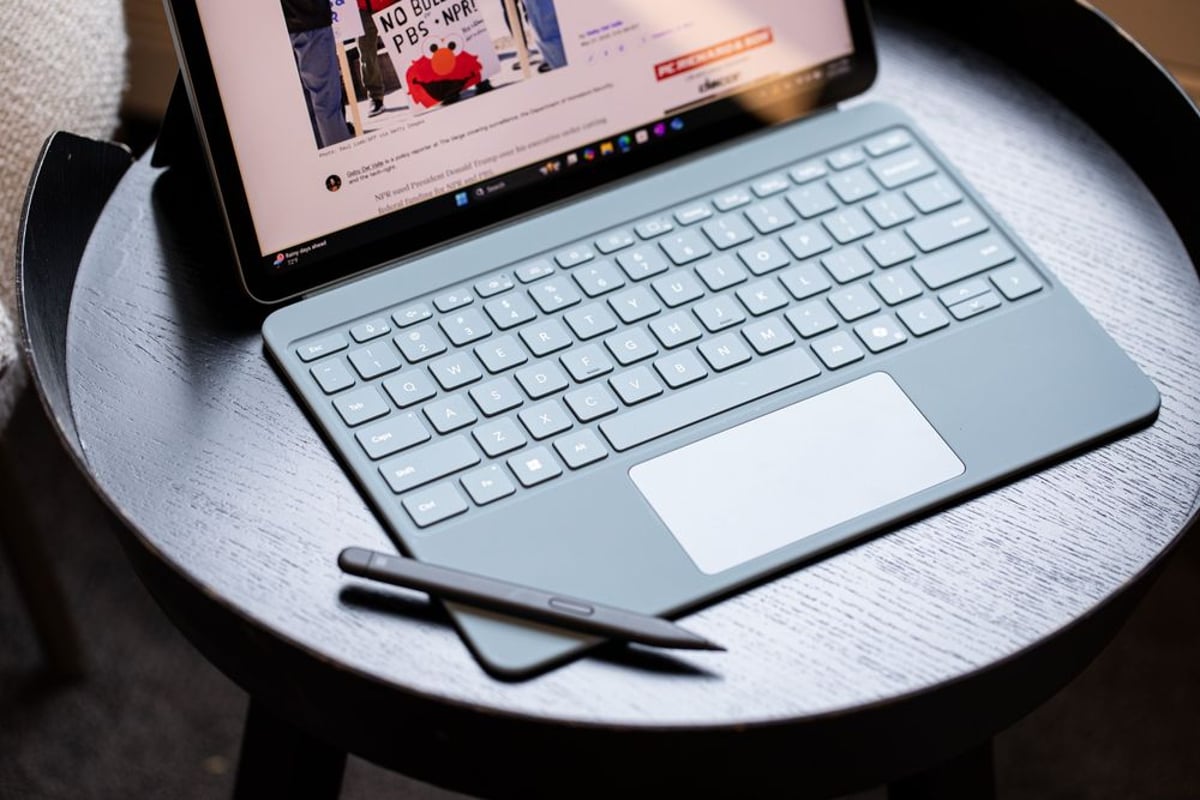
Microsoft just slapped a $500 price hike on its Surface Pro 11 and Surface Laptop 7, pushing entry models from $999 to $1,499 as the global RAM shortage tightens its grip on consumer hardware. The move, first reported by Windows Central, marks one of the steepest single price increases in Surface history and signals how the memory crisis dubbed "RAMageddon" is forcing even tech giants to pass costs directly to consumers.
Microsoft is making consumers pay the price for the memory crisis that's been squeezing the tech industry for months. The company just raised prices across its entire Surface lineup, with the 13-inch Surface Pro 11 and 13.8-inch Surface Laptop 7 taking the biggest hit - jumping from $999 to $1,499, according to Windows Central.
That's a 50% increase on what were supposed to be Microsoft's accessible entry points into premium Windows computing. The timing couldn't be worse for consumers already dealing with inflation across consumer electronics, but it reflects the reality of what industry insiders have been calling "RAMageddon" - a global memory shortage that's driving up costs for laptops, phones, and anything with RAM chips inside.
The pricing move isn't entirely surprising if you've been watching Microsoft's Surface strategy over the past year. Last year, the company quietly stopped selling those $999 versions of the Surface Pro 11 and Surface Laptop 7, replacing them with $1,199 models that came with more storage. At the time, it looked like a standard product line refresh - push consumers toward higher-margin configurations while making room for cheaper 12-inch Surface Pro and 13-inch Surface Laptop models that launched in May.
But those newer, supposedly more affordable devices aren't getting a free pass either. The entire Surface lineup is seeing price adjustments as Microsoft grapples with memory component costs that have been climbing for months. The RAM shortage has been brewing since late 2025, driven by a perfect storm of supply chain constraints, increased demand for AI-capable devices, and manufacturing capacity limitations among major memory makers.
What makes this particularly painful for consumers is the speed of the increase. Going from $999 to $1,499 represents one of the steepest single price jumps in Surface history, surpassing even the premium pricing Microsoft introduced with early Surface Book models. For many buyers, that $500 difference represents the line between an impulse purchase and a "wait until next year" decision.
The enterprise market is watching closely too. While Surface devices have gained traction in business deployments, particularly in industries that value the form factor and Windows integration, these price increases could push IT departments back toward traditional laptop vendors. Dell, HP, and Lenovo are all dealing with the same memory cost pressures, but they have more flexibility in their product lineups to absorb or distribute those increases.
Microsoft's pricing strategy also reveals how the memory shortage is different from past component crises. During the chip shortage of 2021-2022, manufacturers could sometimes substitute components or adjust specifications. But RAM is non-negotiable - you can't ship a laptop with less memory and call it a feature. That inflexibility means price increases are the only option when component costs spike.
The question now is whether other PC makers will follow Microsoft's lead with similarly aggressive price increases, or if they'll eat more of the cost to protect market share. With memory prices showing no signs of stabilizing in the near term, consumers shopping for new laptops in 2026 should brace for sticker shock across the board.
For Microsoft, the Surface price hikes come at a delicate moment. The company has been pushing its Copilot+ PC initiative hard, positioning Surface devices as the premier showcase for AI-enhanced Windows experiences. But asking consumers to pay $1,499 to get started makes that value proposition significantly harder to sell, especially when the AI features themselves are still finding their footing with mainstream users.
Microsoft's $500 Surface price hike is a wake-up call for anyone tracking the consumer PC market. The RAM shortage isn't just creating supply headaches - it's fundamentally resetting expectations for what premium Windows laptops will cost in 2026. For consumers, that means either paying significantly more for the same hardware or waiting to see if memory prices stabilize later this year. For Microsoft, it's a bet that the Surface brand has enough loyalty to withstand a 50% price increase without losing customers to competitors who might absorb more of the cost themselves. The next few quarters will reveal whether that bet pays off or if RAMageddon claims Surface's market momentum as its latest victim.