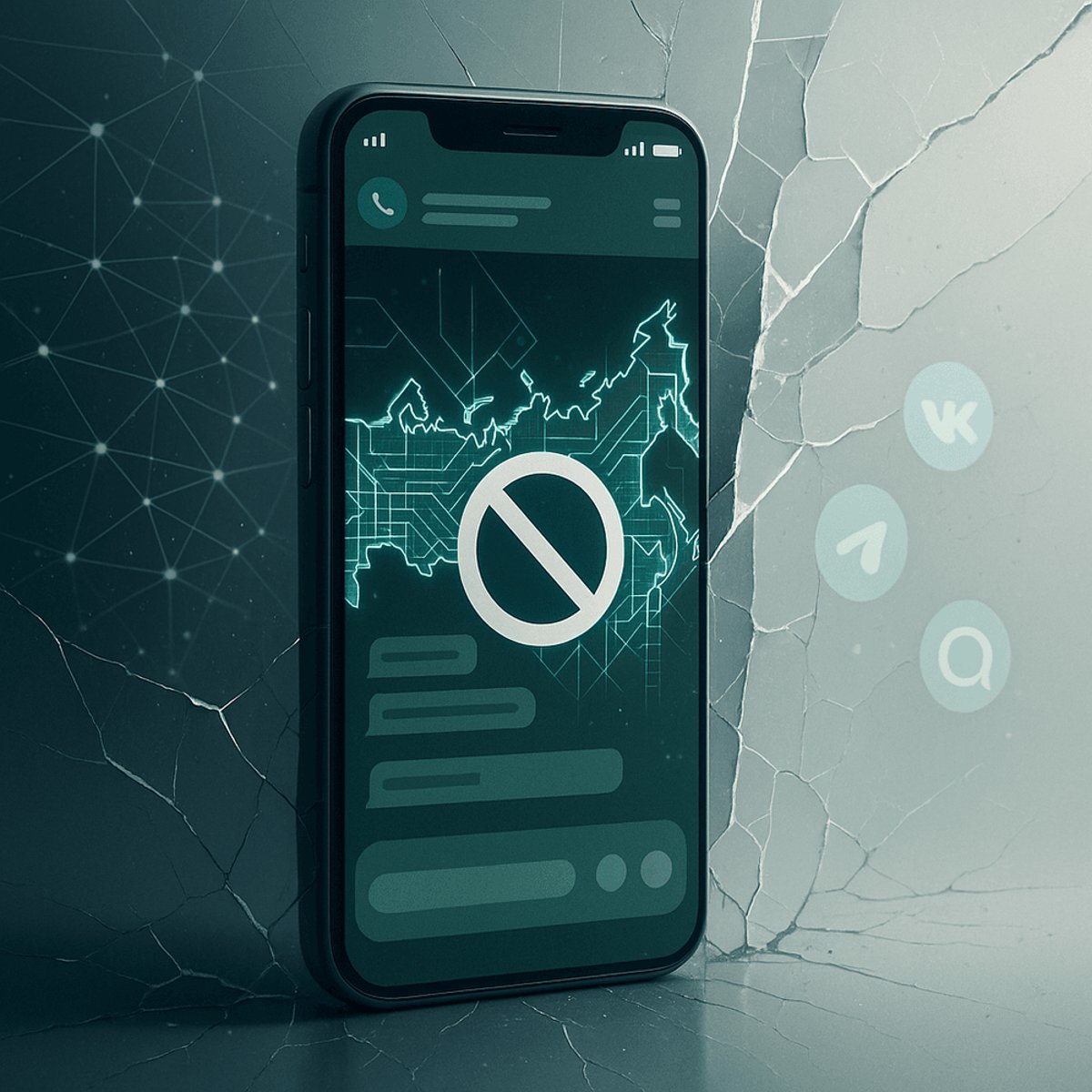
Russia just severed access to WhatsApp for 100 million users, marking the most aggressive move yet in the Kremlin's expanding crackdown on Western messaging platforms. The Meta-owned service confirmed Thursday that Russian authorities attempted to "fully block" its platform, with the Kremlin quickly corroborating the shutdown. The move escalates a broader pattern of digital isolation that's reshaping how Russians communicate and threatens the business models of Silicon Valley's social giants.
Meta's grip on Russian communications just snapped. The company's WhatsApp messaging service went dark across Russia on Thursday, cutting off an estimated 100 million users in what represents the Kremlin's most sweeping digital censorship move in years.
The shutdown didn't come as a total surprise. Russia's been tightening the noose on Western tech platforms since 2022, but WhatsApp had remained relatively untouched - until now. The service's end-to-end encryption made it a lifeline for Russians seeking uncensored communication, which is precisely why it became a target.
Meta confirmed the block Thursday morning, though the company has yet to release a detailed statement about potential workarounds or appeals. The Kremlin's swift confirmation suggests this wasn't a technical glitch but a coordinated policy decision. Russia's telecommunications regulator Roskomnadzor has been expanding its technical capabilities to enforce digital borders, and this block demonstrates just how effective those tools have become.
The timing matters. Russia's been ramping up its so-called "digital sovereignty" campaign, which really means walling off its internet from global services it can't control. Meta already lost access to Russian users on Facebook and Instagram following bans in 2022, when the company was designated an "extremist organization" by Russian courts. WhatsApp was the last major Meta property still operating in the country.
For Russian users, the alternatives aren't great. Telegram, despite its own history of clashes with Russian authorities, remains available and will likely see a massive user influx. The Russia-based VKontakte (VK) messaging service stands to benefit most, though its deep ties to the Russian government make it a concerning option for anyone worried about surveillance.
The 100 million affected users represent a substantial chunk of Russia's 146 million population. WhatsApp had become embedded in daily life - from family chats to business communications to organizing social gatherings. Losing that connectivity overnight forces millions to migrate platforms, reset communication channels, and potentially lose access to international contacts who don't use Russian alternatives.
This isn't just about one app going dark. It's part of a broader global trend where governments are asserting control over digital infrastructure within their borders. China pioneered this model with its Great Firewall. Russia's following suit, though less comprehensively. India's flirted with similar restrictions during political tensions. The pattern suggests we're moving toward a more fragmented internet where access depends heavily on geography.
For Meta, the financial impact is relatively contained since Russia already represented a small and shrinking portion of revenue after previous bans. But the strategic implications are more troubling. If major economies can successfully wall off global platforms, it undermines the universal connectivity that built Silicon Valley's business model. WhatsApp's strength comes from network effects - everyone using the same service. Regional fragmentation breaks that advantage.
The block also raises questions about VPN effectiveness. Russian authorities have been cracking down on VPN services, making circumvention increasingly difficult for average users. While tech-savvy Russians will find workarounds, the vast majority of that 100 million user base will simply switch to approved alternatives.
What we're watching is the real-time balkanization of the internet. Services that were supposed to connect the world are instead becoming tools of geopolitical competition. Russia's WhatsApp ban won't be the last major platform restriction we see this year - and it probably won't even be the most significant.
Russia's WhatsApp shutdown marks a turning point in how authoritarian governments control digital communication. The 100 million users suddenly cut off from the platform represent more than just lost connections - they're evidence that the open internet is fragmenting along geopolitical lines. For Meta, it's another market closed off. For users, it's another reminder that the apps they depend on exist only with government permission. And for the tech industry, it's a warning that global platforms can't take global access for granted. The question now isn't whether other countries will follow Russia's lead, but when and which services they'll target next.