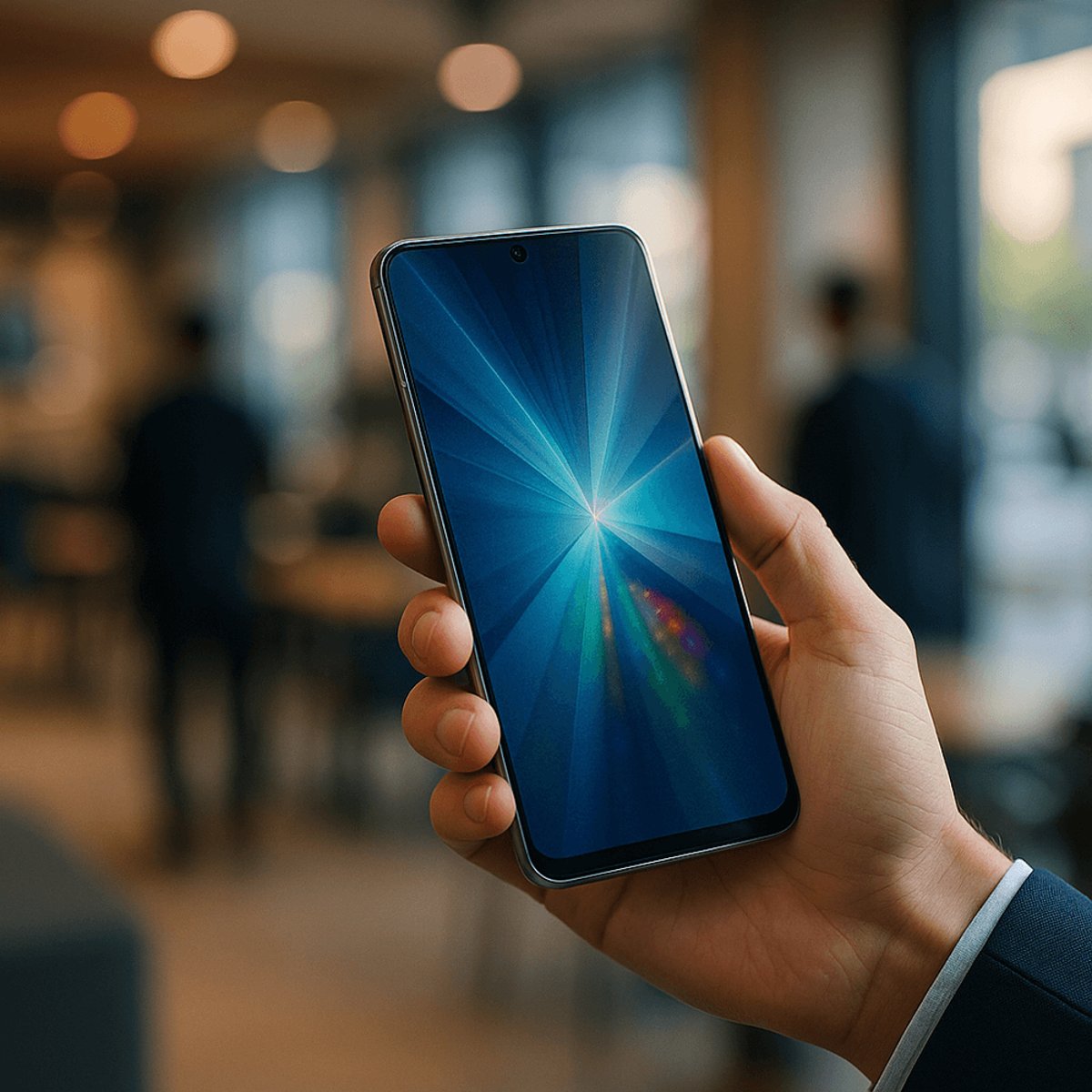
Samsung just dropped a privacy bombshell that's been half a decade in the making. The company's teasing a breakthrough anti-shoulder-surfing display technology that shields your screen from prying eyes on public transit, elevators, and everywhere else you pull out your phone. Built into the hardware itself and launching soon on Galaxy devices, the feature gives you granular control over what strangers can see when they glance at your screen - from notification pop-ups to password entry.
Samsung is about to change how you use your phone in public. The company's revealing a new anti-snooping display technology that took over five years to perfect, and it's coming to Galaxy devices soon - likely at the next Unpacked event based on the timing of this official announcement.
The feature tackles one of mobile computing's most stubborn problems: your phone contains your entire digital life, but you're constantly using it surrounded by strangers. On the subway, in coffee shop lines, at airport gates - your messages, passwords, and private photos are exposed to anyone standing at the right angle. Samsung's solution works at the display level itself, limiting viewing angles so only you can see what's on screen.
What makes this different from typical privacy screens is the flexibility. According to Samsung's announcement, you can customize protection on an app-by-app basis, or trigger it automatically when entering passwords and accessing sensitive areas. Multiple visibility settings let you dial privacy up or down depending on your environment. You can also shield just notification pop-ups while leaving the rest of your screen normal, or switch the whole system off entirely.
The company studied how people actually use phones in the wild - what they consider private, where they feel exposed, and how security features should integrate into daily routines without becoming annoying. That research drove a hardware-software fusion that Samsung says protects you "without getting in your way." The implementation sounds similar to variable refresh rate displays that adjust based on content, but applied to viewing angles instead.
This isn't Samsung's first rodeo with mobile privacy. The feature builds on Samsung Knox, the security platform that's been protecting Galaxy devices for over a decade. Knox already includes dedicated hardware like Knox Vault for isolating sensitive data, and ecosystem-level defenses through Knox Matrix that creates a private blockchain across your Samsung devices.
But this new display tech represents something different - what Samsung calls "privacy at a pixel level." Rather than encrypting data or sandboxing apps, it physically controls who can see your screen. The company positions it as the logical next step: "There is no privacy without strong security," but security alone doesn't stop the person next to you from reading over your shoulder.
The timing puts Samsung ahead of Apple and Google in physical privacy features. While both competitors offer software-based protections like hiding notification content on lock screens, neither has announced display technology that actively blocks viewing angles. Apple's privacy screens remain third-party accessories, and Google's Pixel phones rely on Quick Settings toggles to hide sensitive content.
Samsung's approach could force the industry to rethink privacy as a hardware problem, not just a software one. As phones become more personalized through AI and contain increasingly sensitive information, the disconnect between what devices know about us and where we use them keeps growing. You can encrypt everything, require biometric authentication, and sandbox your apps - but none of that matters if someone's filming your screen at Starbucks.
The company released three demo videos showing the technology in action, though the exact mechanism remains unclear. Based on the "pixel level" description and customizable visibility angles, it likely involves a dynamically adjustable layer similar to privacy filters found on laptops, but built into the display stack itself and controlled through software. That would explain the five-year development timeline - integrating such a layer without compromising display quality, brightness, or battery life requires serious engineering.
What we don't know yet: which Galaxy models will get this feature, whether it'll be exclusive to flagships, and if it comes at a cost to display performance. Samsung's teasing "coming to Galaxy very soon" without specifics, but the Unpacked event branding in the demo videos suggests a major launch is imminent.
Samsung's betting that the next frontier of mobile privacy isn't just encrypting what's on your phone, but controlling who can physically see it. If the technology delivers without killing display quality or battery life, it could establish a new baseline for flagship devices - one where privacy protection is literally built into every pixel. The real test comes when this ships: will users embrace granular viewing-angle controls, or will it join the pile of well-intentioned security features that people immediately disable? Either way, Samsung's forcing Apple and Google to answer an uncomfortable question about why their screens are still fair game for shoulder surfers.