Spain just became the first European country to ban social media access for anyone under 16, throwing down a regulatory gauntlet that could reshape how tech giants operate across the continent. Prime Minister Pedro Sanchez announced the sweeping measure at the World Government Summit in Dubai, calling social media a "failed state" and demanding platforms implement real age-verification barriers starting next week. The move follows Australia's December ban and signals a growing global movement that's putting Meta, TikTok, and other platforms on notice.
Spain just fired the opening shot in what could become Europe's biggest tech regulation battle since GDPR. Prime Minister Pedro Sanchez stood before the World Government Summit in Dubai on Tuesday and announced that teens under 16 will be locked out of social media platforms starting next week, making Spain the first European nation to enact an Australia-style ban.
"Social media has become a failed state, a place where laws are ignored, and crime is endured, where disinformation is worth more than truth, and half of users suffer hate speech," Sanchez declared, according to CNBC. "A failed state in which algorithms distort the public conversation and our data and image are defied and sold."
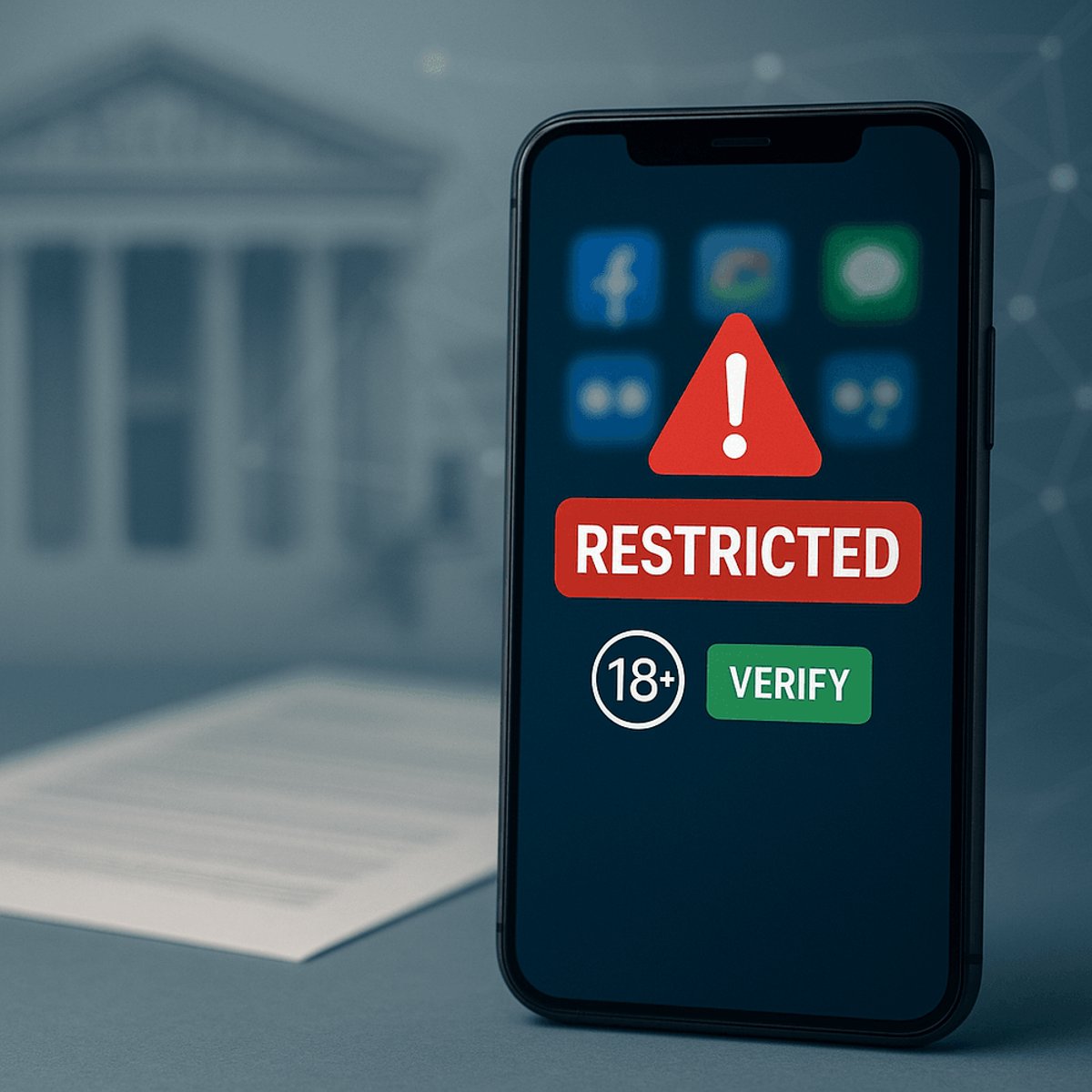
The ban is part of a five-point regulatory package that targets what Sanchez called systemic failures by tech giants to protect users from harm. Platforms will be required to implement "effective age-verification systems - not just checkboxes, but real barriers that work," he said. Spain hasn't yet defined which companies fall under the new rules, but Sanchez specifically called out Meta, TikTok, and X for various violations.
The prime minister accused TikTok of allowing accounts to share AI-generated child abuse materials, blasted X for enabling its AI chatbot Grok to generate illegal sexual content, and criticized Instagram for spying on millions of Android users. All three companies have been contacted for comment but haven't responded yet.
Spain's timing is deliberate. The country is riding the momentum from Australia's groundbreaking Online Safety Amendment Act, which went live in December and forced platforms including Instagram, TikTok, YouTube, X, and Reddit to verify ages or face fines up to 49.5 million Australian dollars ($32 million). Australia's move sent shockwaves through the tech industry, and Spain's announcement confirms this isn't a one-off experiment - it's becoming a global trend.
Meta has already felt the pressure Down Under. The company revealed in January it removed 550,000 accounts belonging to suspected under-16s across Instagram, Facebook, and Threads in Australia. But Meta isn't backing down quietly. "We call on the Australian government to engage with industry constructively to find a better way forward, such as incentivising all of industry to raise the standard in providing safe, privacy-preserving, age-appropriate experiences online, instead of blanket bans," the company said in a statement.
Meta's argument centers on a practical concern: teens will find workarounds, accessing social media without the safety guardrails that registered accounts provide. It's a position that's gaining traction among some child safety experts who worry about pushing young users into darker corners of the internet.
But regulators aren't buying it. Sanchez's broader package goes beyond age verification to target the business models these platforms are built on. Spain plans to create new criminal offenses around algorithmic manipulation and the amplification of illegal content, while holding executives personally liable for failing to remove harmful material. It's a direct shot at the Section 230-style protections that have shielded tech companies from content liability.
The ripple effect is already spreading across Europe. Sanchez mentioned that five other European countries have joined Spain in pushing for stricter social media rules. France's National Assembly recently voted to restrict social media access for under-16s, though the bill still needs Senate approval. The U.K. House of Lords backed a similar ban, but it has to clear the House of Commons first.
Reddit is taking the fight to court, launching a legal challenge against Australia's ban. The platform argues the law is ineffective and restricts political discussion - a First Amendment-style argument that could gain traction in other jurisdictions.
"This is a global issue, and governments everywhere are under pressure to respond," Daisy Greenwell, co-founder of U.K.-based Smartphone Free Childhood, told CNBC. Her grassroots campaign has been urging parents to delay smartphone and social media access for children. "We're already seeing countries move in this direction, and as confidence builds and evidence accumulates, more will follow."
The tech industry is now staring down a fragmented regulatory landscape where age-verification requirements, content moderation standards, and liability rules could vary dramatically by country. That's a compliance nightmare for platforms that have spent two decades operating under relatively uniform global rules.
Sanchez's rhetoric about protecting children from a "digital wild west" taps into mounting public anxiety about social media's impact on youth mental health. But the policy questions are thorny: How do you verify age without creating massive privacy risks? What happens to teens who lose access to online support communities? And who decides what content is harmful enough to trigger criminal penalties for executives?
What's clear is that the status quo is crumbling. Tech platforms that once operated with minimal oversight are now facing coordinated regulatory action across multiple continents. Spain's move, combined with Australia's precedent and momentum in France and the U.K., suggests we're watching the beginning of a fundamental reset in how social media companies interact with young users.
Spain's ban marks a turning point in the global fight over social media regulation. What started as Australia's experiment is rapidly becoming a coordinated movement across Europe, with France and the U.K. close behind. Tech giants now face a choice: adapt their platforms for meaningful age verification and content moderation, or fight a multi-front regulatory war they're increasingly unlikely to win. For parents, policymakers, and platform executives alike, the message from Madrid is unmistakable - the era of self-regulation is over, and governments are taking the reins on protecting kids online.