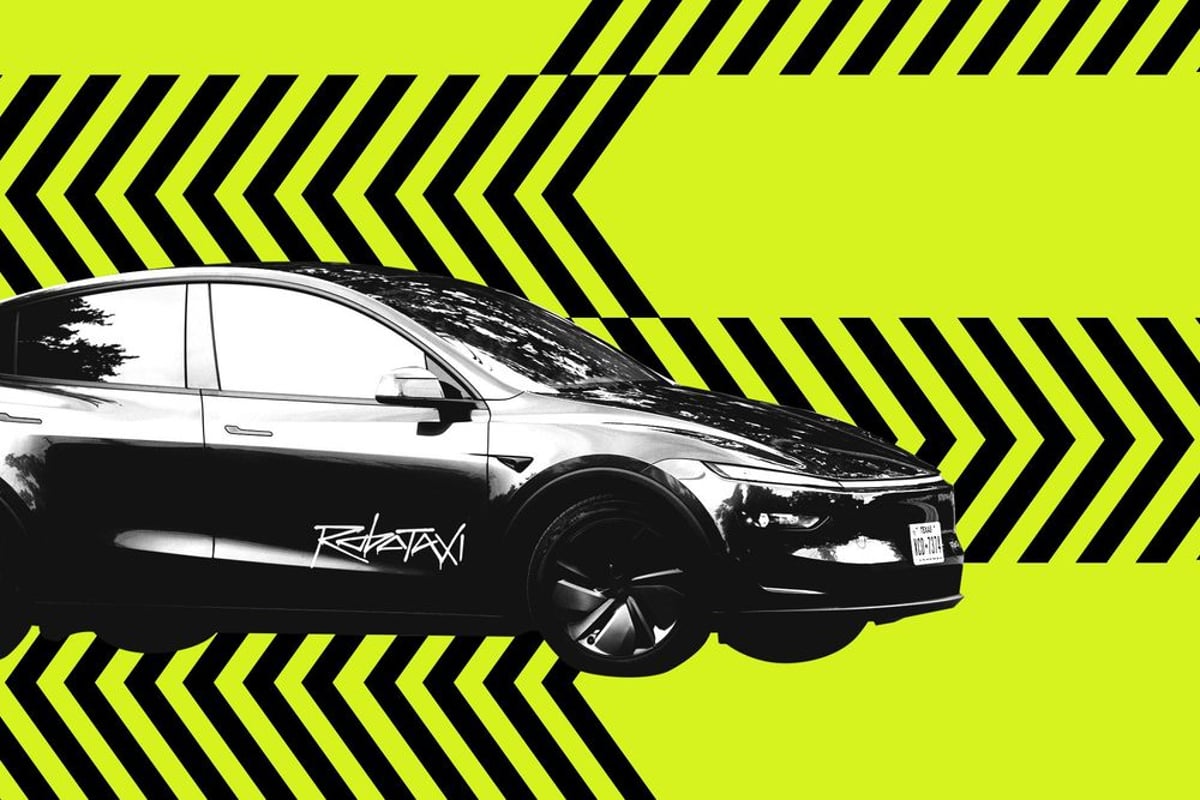
Tesla is shaking up the robotaxi market with rock-bottom pricing that recalls Uber's early land-grab tactics, but riders are paying a different price: time. New data from Obi, a ridehail aggregator app, reveals Tesla's autonomous service averages just $8.17 per ride in San Francisco—nearly half Lyft's $15.47 average and drastically cheaper than Waymo's premium rates. But there's a catch: Tesla riders face 15-minute average wait times compared to Waymo's 5.7 minutes, raising questions about whether Elon Musk's aggressive subsidization strategy can scale beyond its current handful of vehicles.
Tesla is playing the long game in the robotaxi wars, and the opening gambit is all about price. The company's autonomous rides in San Francisco are coming in at an average of $8.17 per trip—a figure that's turning heads across the ridehail industry and drawing immediate comparisons to Uber's early days of venture capital-fueled market disruption.
The numbers come from Obi, an app that aggregates real-time pricing across multiple ridehail services. The company analyzed over 94,348 rides from Tesla, Waymo, Uber, and Lyft between November 27, 2025, and January 1, 2026. What emerged is a stark picture of two very different approaches to autonomous transportation: Tesla's aggressive subsidization versus Waymo's premium positioning.
Tesla's robotaxis rarely exceed $10 per trip and clock in at $1.99 per kilometer—the lowest rate Obi has ever recorded in its reporting. Compare that to Waymo's $5.72 per kilometer, and you start to see how dramatically Tesla is undercutting the competition. Even Lyft, which averages $15.47 per ride, looks expensive next to Tesla's offering.
"It recalled the early days of Uber, when the ridehail company used venture capital cash to significantly undercut legacy taxi operations," Obi notes in its analysis. That comparison isn't accidental—Tesla appears to be following the classic Silicon Valley playbook of buying market share with unsustainable pricing, betting that scale and eventual autonomy will make the economics work.
But there's a significant trade-off. Tesla's robotaxi service features average wait times of 15.32 minutes—nearly three times longer than Waymo's 5.74-minute average. That's a meaningful difference when you're standing on a street corner, and it reflects the reality that Tesla is operating just a handful of vehicles in San Francisco while Waymo deploys 2,000 to 2,500 across five U.S. cities.
The wait time gap exposes Tesla's current limitations. The company still requires safety monitors in its vehicles—human operators with access to a kill switch—and lacks the necessary permits for driverless operations in California. Tesla only recently began testing fully autonomous vehicles in Texas, and even those trials involve chase cars following behind.
Meanwhile, Waymo is quietly becoming more competitive on price. The Alphabet subsidiary has narrowed what was once a 30-40% price premium over Uber and Lyft down to just 12.7% more expensive than Uber and 27.3% pricier than Lyft. For longer rides between 4.3 and 9.3 kilometers, Waymo is now only 2% more expensive than Uber on a per-kilometer basis.
That pricing evolution reflects Waymo's growing confidence in its unit economics. The company reports providing 450,000 paid trips weekly as of December 2025, giving it real-world data on how to balance pricing with demand. Waymo's wait times are now frequently shorter than Uber's during many times of day and approaching Lyft's efficiency, according to Obi's data.
The question hovering over Tesla's strategy is sustainability. How long can the company maintain $8 rides while operating vehicles that still require human safety monitors? The pricing seems designed to generate buzz and early adoption, but experts have raised doubts about whether Tesla will achieve full autonomy with its current camera-based hardware approach, which lacks the lidar sensors Waymo relies on.
Consumer sentiment is shifting in favor of robotaxis generally. Obi surveyed 2,000 people across California, Nevada, Texas, and Arizona and found comfort levels with autonomous rides jumped from 35% to 63% compared to its previous survey. More than half of respondents believe robotaxis will be safer than human-driven rides within five years.
But concerns remain. Forty-five percent cite high costs as a worry, 33% point to long wait times, and over 50% still have safety concerns. The technology might be winning hearts, but it hasn't fully won minds—especially given recent high-profile incidents involving autonomous vehicles.
The competitive landscape is about to get more crowded. Obi says it plans to include Amazon's Zoox in its next analysis after the company recently launched a free robotaxi service in San Francisco. That's another well-funded player willing to subsidize rides to build market share, potentially touching off a price war that could benefit consumers in the short term but raise questions about long-term business viability.
For now, Tesla's bet is clear: win customers with prices so low they can't resist, then figure out the economics later. It's a familiar playbook in tech, but one that doesn't always end well. Uber eventually had to raise prices and cut costs to reach profitability. Whether Tesla can avoid that same trajectory while also solving the considerably harder problem of full vehicle autonomy remains the biggest question mark in the robotaxi race.
Tesla's entrance into the robotaxi market with bargain-basement pricing is forcing the entire industry to recalibrate. While $8 rides sound appealing, the 15-minute wait times and continued reliance on safety monitors reveal this is still early innings for Musk's autonomous ambitions. Waymo's steady progress on both pricing and wait times suggests the more methodical approach might win out, but the real winners right now are consumers who suddenly have multiple autonomous options—even if one requires considerably more patience than the other. As Zoox and other players enter the fray, the robotaxi wars are just getting started, and the battle will be fought on price, convenience, and ultimately, trust in the technology.