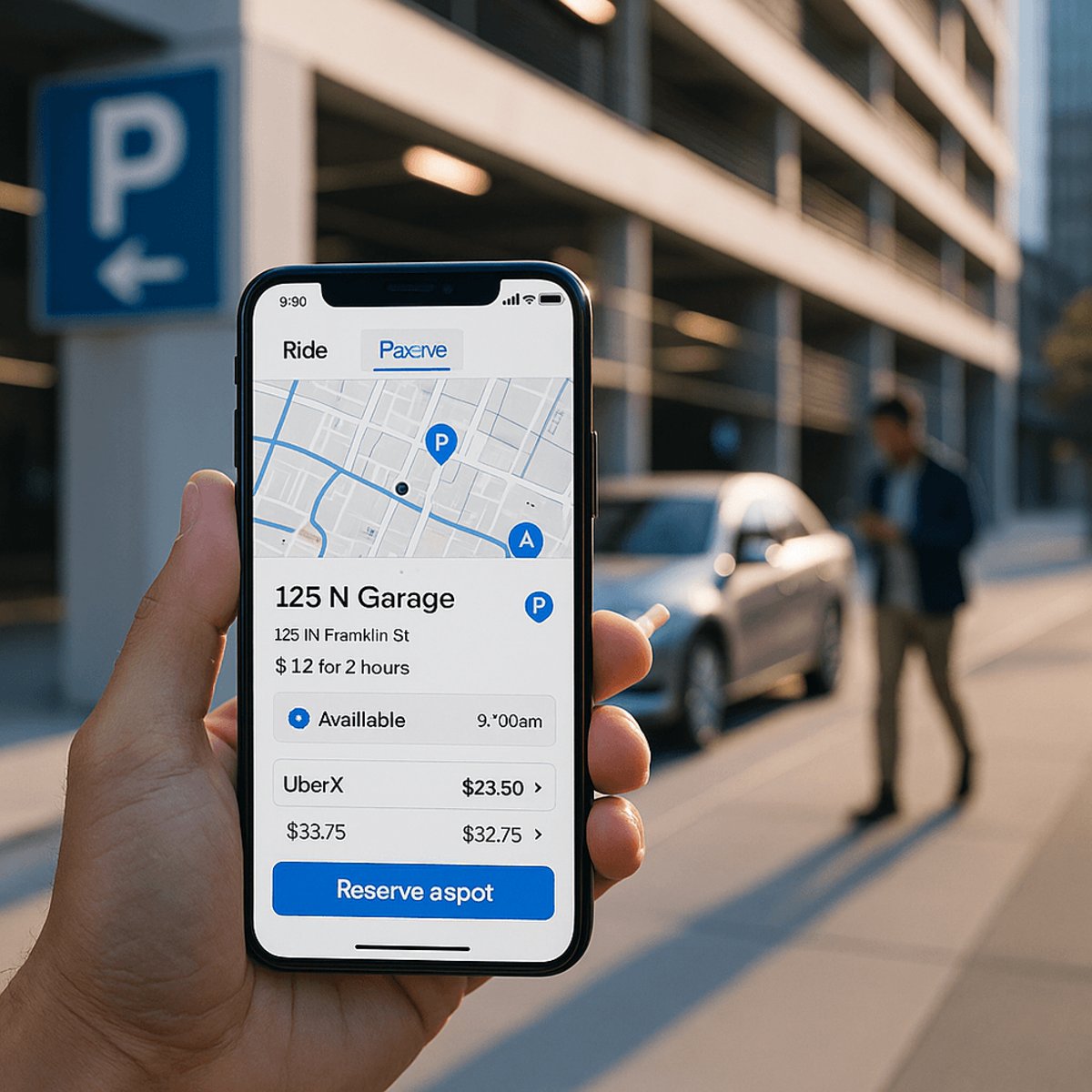
Uber is acquiring parking reservation platform SpotHero, marking the ride-hailing giant's latest push to become a comprehensive mobility platform. The deal, announced Monday, will integrate SpotHero's parking inventory into Uber's app, letting users book parking spots at airports, event venues, and other locations alongside their rides and food orders. It's Uber's clearest signal yet that it views parking—a $30 billion US market—as the missing piece in its vision of owning the entire transportation experience from door to destination.
Uber just made parking part of the ride. The company's acquisition of SpotHero, announced Monday evening, brings reserved parking inventory directly into Uber's app—a strategic expansion that could reshape how millions of people think about the full journey, not just the drive.
The deal's financial terms weren't disclosed, but the strategic logic is clear. SpotHero has spent over a decade building relationships with parking operators, assembling a network of more than 8,000 facilities across North America. That's infrastructure Uber would've taken years to replicate on its own.
"We're building the operating system for everyday life," Uber has been telling investors for the past year, and parking represents a massive gap in that vision. Americans spend an estimated $30 billion annually on parking, with airport and event parking alone accounting for roughly a third of that spend. By folding SpotHero's inventory into its platform, Uber can now capture revenue from the moment a user plans a trip until they lock their car.
The initial rollout will target high-value scenarios: airports, concerts, sporting events, and other venues where parking headaches are predictable and users are willing to pay for convenience. Picture booking a Saturday night ride to a stadium concert and, in the same flow, reserving a parking spot for your own car when you drive there next week. That's the seamless experience Uber's betting will keep users inside its ecosystem.
SpotHero has raised over $120 million since its 2011 launch, most recently at a valuation north of $300 million, according to PitchBook data. The Chicago-based startup had been profitable on an EBITDA basis and processing millions of transactions annually, making it an attractive acquisition target for platforms looking to expand beyond their core offerings.
For Uber, this fits a broader pattern. The company has methodically added layers to its platform—Uber Eats for food delivery, Uber Freight for logistics, even grocery and alcohol delivery. Each addition aims to increase user frequency and session depth. Parking is particularly strategic because it ties directly to Uber's core ride-hailing business while opening a parallel revenue stream from users who choose to drive themselves.
The competitive landscape is watching closely. Lyft has explored similar partnerships, while startups like ParkWhiz—which SpotHero acquired in 2019—have long tried to crack the parking reservation market. But platform scale matters here. Uber's 150 million monthly active users globally give it distribution that standalone parking apps can't match.
There's also a data play. By knowing when and where users need parking, Uber gains insights that could inform dynamic pricing for rides, predict demand surges around events, and even negotiate better bulk rates with parking operators. It's the kind of closed-loop intelligence that makes super-apps powerful.
The integration won't be instant. Uber said the SpotHero-powered parking experience will roll out gradually, starting with select markets and venue partnerships. But the infrastructure is already there—SpotHero's API has been white-labeled by everyone from airlines to entertainment apps, so plugging it into Uber's platform should be relatively straightforward.
What's less clear is how this affects SpotHero's existing partnerships. The startup has deals with competitors and adjacent players across transportation and hospitality. Uber hasn't indicated whether SpotHero will continue operating as a standalone brand or be absorbed entirely into the Uber app. That decision could determine whether this acquisition unlocks new parking supply or simply consolidates existing inventory under Uber's banner.
Industry analysts see this as Uber doubling down on its "everything app" ambitions. The company has said repeatedly that its long-term vision isn't just moving people, but orchestrating all the logistics around movement—parking, public transit, even bike shares. Each piece makes the platform stickier and creates more opportunities to monetize user intent.
Uber's SpotHero acquisition is less about parking and more about completing the journey. By owning the reservation layer for both rides and parking, Uber positions itself as the default starting point for any trip—whether you're catching an Uber or driving yourself. The real test comes in execution: can Uber integrate SpotHero's inventory without disrupting existing partnerships, and will users actually book parking through a ride-hailing app? If the answer is yes, expect competitors to rush into similar deals. The race to own end-to-end mobility just got a parking spot.