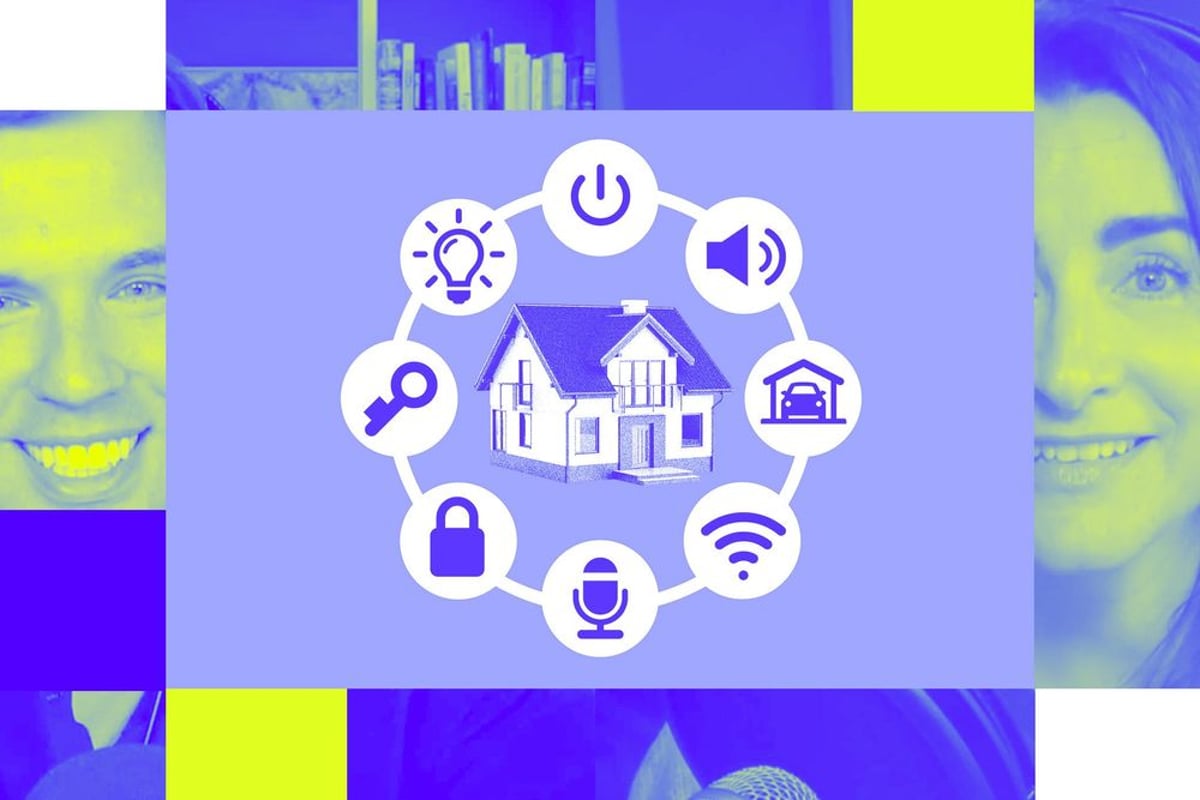
Smart homes are still messy, unpredictable beasts that'll make you love your robot vacuum while cursing that one light that never responds. The Vergecast just dropped a listener Q&A episode diving deep into the current state of home automation, revealing why we're still not living in the seamless smart home future we were promised.
The smart home industry loves to promise seamless integration and effortless automation, but anyone who's actually lived with these devices knows the reality is far messier. The latest episode of The Vergecast tackles this head-on, with hosts David Pierce and smart home expert Jennifer Pattison Tuohy fielding listener questions about everything from finicky lighting systems to Apple's rumored home automation plans.
The episode arrives at a pivotal moment for the smart home market. While companies continue pushing new devices and standards like Matter promise universal compatibility, the day-to-day experience remains frustratingly inconsistent. Pierce opens with a truth that'll resonate with anyone who's spent 20 minutes trying to get Alexa to dim the bedroom lights: "There will always be one light that doesn't turn on even though there's simply no reason it won't."
Tuohy, who's been covering smart home tech for years, breaks down some of the most persistent pain points listeners are facing. The conversation spans practical concerns like which smart faucets actually work reliably (spoiler: it's complicated) to more strategic questions about whether it's worth investing in high-end automation systems when the ecosystem remains so fragmented.
One particularly interesting thread involves Apple's approach to smart home integration. While the company has been relatively quiet about its home automation strategy compared to Google and Amazon, Tuohy hints at developments that could shake up the current landscape. The discussion touches on how Apple's focus on privacy and seamless user experience could differentiate it from competitors who've prioritized voice control and third-party integrations.
The episode also digs into Home Assistant, the open-source platform that's become a favorite among tech-savvy users frustrated with commercial smart home ecosystems. Tuohy explains why more people are turning to DIY solutions despite the steep learning curve, particularly as concerns about data privacy and vendor lock-in continue growing.
Smart smoke detectors get significant attention, with Tuohy addressing listener concerns about reliability and false alarms. It's a crucial topic that highlights how smart home devices aren't just about convenience - they're increasingly handling critical safety functions that need to work flawlessly.
The conversation reveals ongoing tensions in the industry between innovation and reliability. Companies keep adding features and connectivity options, but basic functionality often suffers. Tuohy points out how this creates a gap between marketing promises and actual user experience, leaving consumers to navigate complex compatibility matrices and troubleshoot connection issues.
Matter, the industry standard that's supposed to solve interoperability problems, comes up throughout the discussion. While it's made progress, Tuohy explains why widespread adoption remains slow and why users still face compatibility headaches when mixing devices from different manufacturers.
The podcast format works particularly well for this type of content, allowing for the kind of nuanced discussion that's hard to capture in traditional tech reviews. Listeners get to hear real problems from other users, along with expert analysis of potential solutions and workarounds.
What emerges is a picture of an industry still very much in transition. The smart home concept has moved beyond early adopter territory, but the infrastructure and standards haven't quite caught up to mainstream expectations. Companies are racing to add AI capabilities and voice control features while basic reliability and setup processes remain frustratingly complex.
Tuohy's advice consistently emphasizes starting small and building gradually rather than trying to automate everything at once. It's practical guidance that acknowledges the current limitations while helping users navigate toward genuinely useful automation.
The smart home revolution is still happening, just slower and messier than anyone predicted. This Vergecast episode captures where we actually are versus where the marketing wants us to think we are. For anyone dealing with temperamental smart devices or considering diving deeper into home automation, Tuohy's expert perspective offers the kind of realistic guidance that's often missing from product announcements and review cycles. The industry will eventually solve these interoperability and reliability issues, but until then, episodes like this serve as essential reality checks for navigating the current landscape.