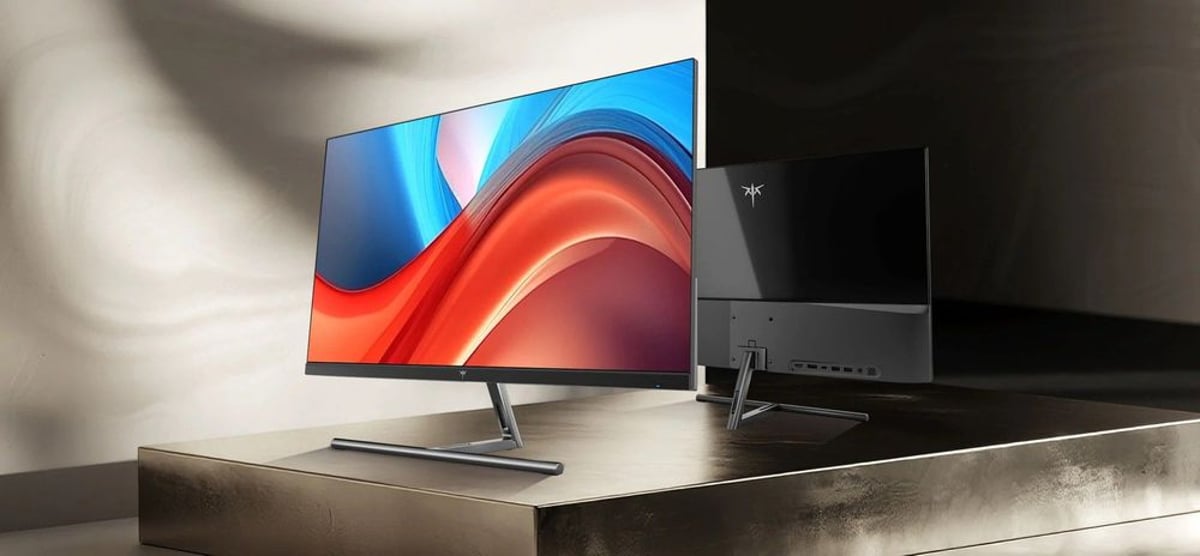
A little-known monitor maker just threw down the gauntlet against Apple's premium display lineup. KTC's H27P3 5K monitor is selling for just $510 during Black Friday - nearly $1,100 less than Apple's comparable Studio Display while matching almost every key spec that matters to creative professionals.
The monitor wars just got a lot more interesting. While Apple continues to command premium prices for its Studio Display, KTC is proving that professional-grade 5K doesn't have to cost $1,599. The company's H27P3 monitor delivers nearly identical specs for a fraction of the cost, and Black Friday has made the deal even sweeter.
Available for $534.99 at Amazon or $509.99 directly from KTC with an on-page coupon, the H27P3 packs the same 5120 x 2880 resolution that makes Apple's display so appealing. At 217 pixels per inch, it's virtually indistinguishable from the Studio Display's 218 PPI when it comes to text clarity and image sharpness.
But here's where things get interesting - KTC has added features that Apple simply doesn't offer. The monitor includes a dual-mode setup that lets users switch to 2560 x 1440 at 120Hz refresh rate, perfect for gaming or smooth scrolling through design work. That's something Apple's locked-at-60Hz display can't match, no matter how much you pay.
The connectivity story is equally compelling. The H27P3 includes 65W USB-C Power Delivery for single-cable laptop connections, plus DisplayPort 1.4 and HDMI 2.0 ports. It's the kind of port selection that makes sense for actual workflows, not just Apple's ecosystem lock-in strategy.
According to The Verge's initial testing, the monitor delivers solid color accuracy and maintains the ultra-thin profile that's become essential for modern desk setups. Antonio G. Di Benedetto noted that "everything from text and images will look super sharp with no visible artifacts on a screen that's so dense with pixels."
This pricing pressure comes as Apple faces increasing competition in the professional monitor space. The Studio Display launched at $1,599 in 2022 and has barely budged on price, even as manufacturing costs have dropped and competitors have caught up on technology. KTC's aggressive pricing suggests the company sees an opportunity to grab market share from professionals who want Apple-level quality without the Apple tax.
The timing couldn't be better for budget-conscious creators and remote workers. With companies tightening hardware budgets and freelancers looking to maximize their equipment investments, a $510 monitor that delivers 90% of the Studio Display experience becomes a no-brainer purchase.
For context, Apple's Studio Display launched with significant criticism over its fixed stand, mediocre webcam, and lack of height adjustment - issues that KTC seems to have avoided with more flexible mounting options and feature set.
The broader implications extend beyond just this one deal. As Chinese manufacturers like KTC continue to close the gap on premium display technology, Apple's pricing strategy increasingly looks out of touch with market realities. The company has historically relied on its ecosystem integration and brand premium to justify higher prices, but monitors are largely ecosystem-agnostic products where specs and value matter more than brand loyalty.
Looking ahead, this Black Friday deal might be just the beginning. If KTC can deliver on quality and support at these price points, it could force Apple to reconsider its premium positioning in the display market - or risk ceding significant ground to hungrier competitors who understand that professional doesn't always have to mean expensive.
This Black Friday deal represents more than just a good value - it's a signal that Apple's premium pricing stranglehold on professional displays is under serious threat. At $510, KTC's H27P3 delivers the core experience that most users actually need from a 5K monitor, with bonus features Apple doesn't even offer. For creative professionals and remote workers who've been priced out of Apple's ecosystem, this might be the wake-up call that premium doesn't always require paying premium prices.