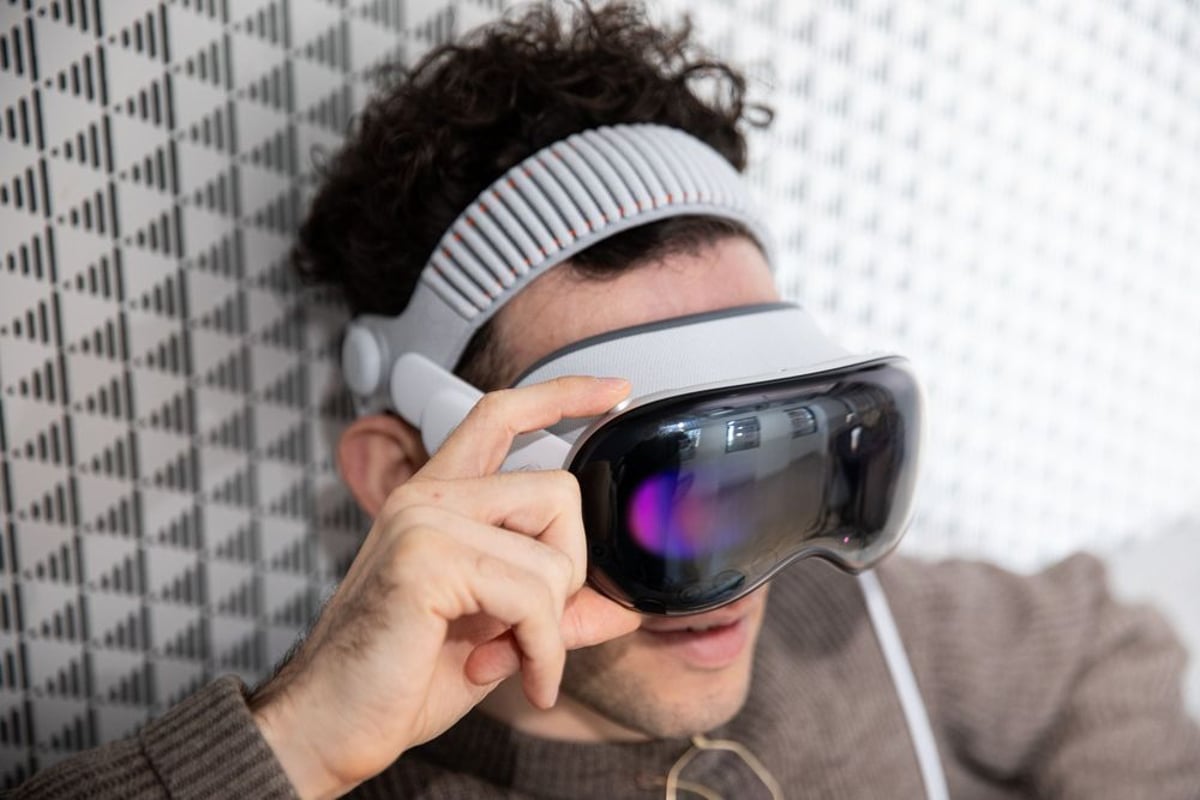
The wait is over for Vision Pro owners. YouTube is launching its first native visionOS app Thursday, more than two years after Apple's spatial computing headset hit shelves. The app supports everything from standard videos and Shorts to immersive 3D, 360-degree, and VR180 content, according to Apple spokesperson Corey Nord in a statement to The Verge. The move marks a significant reversal for Google's video giant, which initially said it had no plans to build for the platform.
YouTube just handed Apple a lifeline for its struggling Vision Pro platform. The official visionOS app launches Thursday, ending a two-year standoff that left the world's largest video platform conspicuously absent from Apple's most ambitious hardware bet since the iPhone.
The timing tells you everything about the headset's rocky start. When the Vision Pro launched in February 2024 at $3,499, YouTube was among several major platforms that declined to build native apps. The company initially told users to just access YouTube through Safari, a workaround that stripped away the spatial computing features Apple spent years hyping. According to reports from The Verge, YouTube said it "wasn't planning" to develop for the platform ahead of launch.
But market pressure works fast in tech. Within days of the Vision Pro hitting store shelves, YouTube pivoted. The company added a Vision Pro app to its roadmap in early February 2024, though it took another two years to actually ship. The delay speaks to the chicken-and-egg problem facing spatial computing - developers won't invest without users, but users won't buy without apps.
The new app doesn't skimp on features. Vision Pro owners can now watch standard YouTube videos, Shorts, 3D content, 360-degree videos, and VR180 footage natively in visionOS. That last format is crucial. VR180 uses stereoscopic video to create depth, the kind of immersive content that actually justifies wearing a headset instead of just grabbing your phone. Apple spokesperson Corey Nord confirmed the feature set to The Verge, marking one of the few times Apple's acknowledged the app drought publicly.
The YouTube situation mirrors broader adoption challenges for Vision Pro. Netflix also skipped the platform at launch, and many smaller developers questioned whether the user base justified development costs. Industry analysts estimate Apple sold fewer than 500,000 Vision Pro units in 2024, a fraction of the millions Apple typically moves with new product categories. Without major content platforms, the headset risked becoming an expensive novelty.
Google, YouTube's parent company, likely weighed strategic considerations beyond simple user metrics. Building for visionOS means optimizing for a competitor's platform - one that could eventually challenge Google's own ambitions in AR and spatial computing. But leaving YouTube off the Vision Pro also meant ceding ground to smaller video platforms that did show up, potentially letting rivals establish spatial video standards without Google's input.
The app launch comes as Apple reportedly scales back Vision Pro production and shifts focus to a more affordable headset planned for 2025. Bloomberg reported earlier this year that Apple slashed component orders by 40% as sales momentum stalled. The company's betting that lower prices and better app ecosystems - now including YouTube - can revive interest in spatial computing before competitors like Meta dominate the category with cheaper Quest headsets.
For developers watching the platform, YouTube's arrival sends mixed signals. Yes, a major player finally committed to visionOS. But the two-year delay suggests even tech giants see Vision Pro as a wait-and-see opportunity rather than a must-build platform. That calculus could shift if Apple delivers on its promised lower-cost model or if enterprise adoption picks up steam.
The YouTube app also raises questions about what took so long. visionOS is built on iOS foundations, meaning much of YouTube's existing mobile code could theoretically port over. The delay likely involved optimizing video playback for spatial environments, building new UI paradigms for 3D navigation, and yes, probably some strategic negotiations between Cupertino and Mountain View about data sharing and default behaviors.
What happens next matters more than the app itself. If YouTube's arrival drives a noticeable uptick in Vision Pro engagement metrics, other holdout developers might finally commit resources. But if usage stays flat, it'll confirm what many suspected all along - that the Vision Pro launched too early, too expensive, and without enough killer apps to justify either.
YouTube's arrival on Vision Pro closes a glaring app gap, but the two-year wait exposes the deeper challenges facing spatial computing. Apple's betting that premium content plus eventual price cuts can salvage its headset ambitions, while developers remain cautious about investing in a platform that's still hunting for its breakthrough moment. For Vision Pro owners who've been squinting at Safari workarounds, Thursday's launch is welcome news. For the broader industry, it's a reminder that even Apple can't will a new computing paradigm into existence without the content ecosystems users actually want.