The hearing aid market just got a serious upgrade. Oticon is pushing boundaries with its new Zeal hearing aids, packing professional-grade audio into a package so small it's redefining what's possible in prescription hearing devices. According to Wired's hands-on review, these ultra-compact aids deliver surprisingly robust streaming quality and seamless smartphone integration, though their minuscule size creates both comfort wins and usability challenges. For an industry where most users still tolerate clunky behind-the-ear designs, the Zeal represents a meaningful leap forward—if you can afford it.
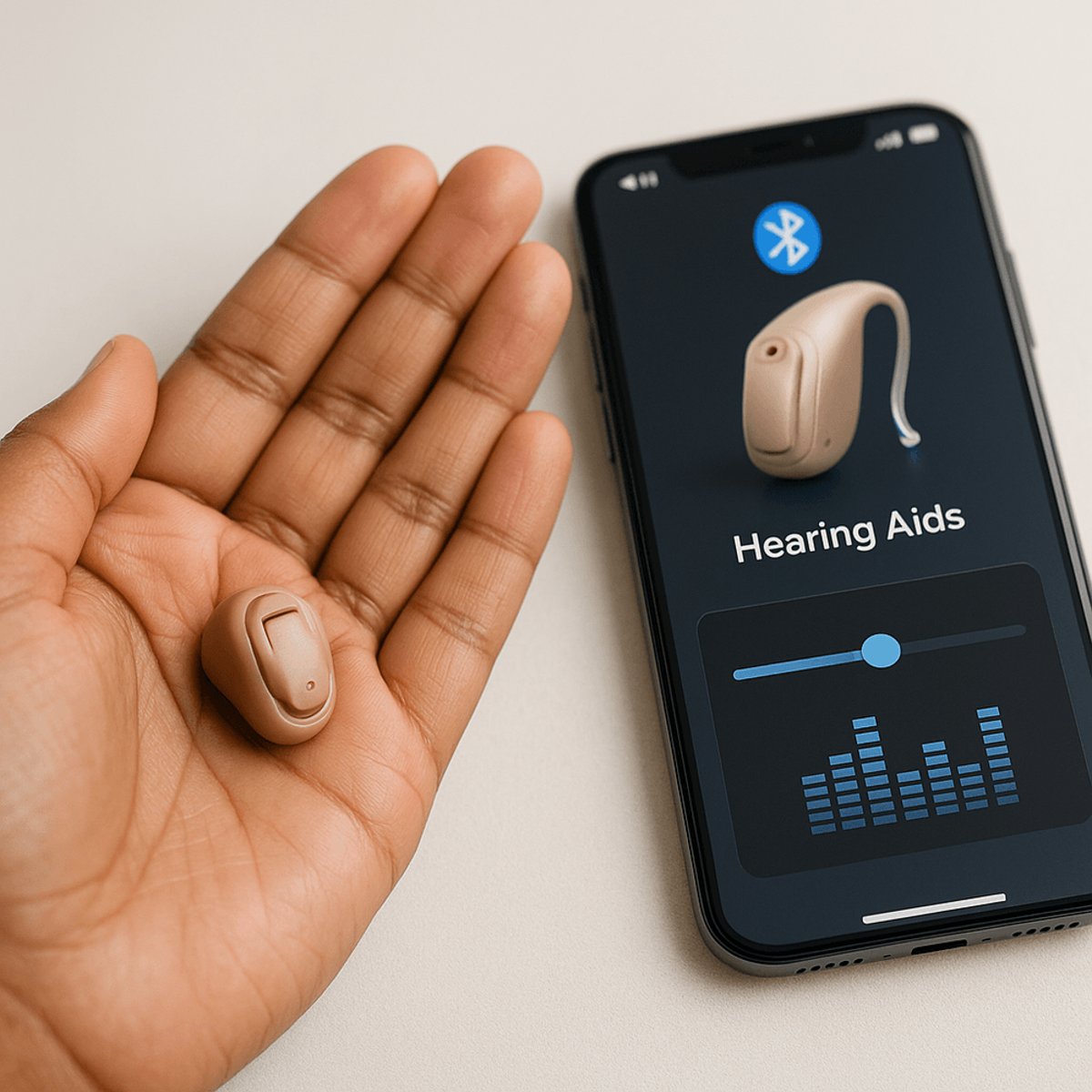
Oticon is betting big that hearing aid users want to go smaller without sacrificing sound. The company's new Zeal hearing aids deliver on that promise, cramming what Wired calls "high-quality audio in a minuscule prescription package" into in-the-ear devices that push the limits of miniaturization.
The standout feature? Streaming performance that punches well above its weight class. Despite the Zeal's tiny footprint, reviewer Christopher Null reports better-than-expected audio quality when connected to devices, complete with a dedicated three-bar equalizer that operates independently from the hearing aid's main EQ settings. That level of customization is rare in the prescription hearing aid space, where most manufacturers prioritize amplification over entertainment features.
But Oticon isn't just shrinking existing tech—it's adding capabilities the industry hasn't seen before. The Zeal marks the world's first hearing aids to support Google's Fast Pair system on Android and ChromeOS devices, according to the company. That's a meaningful step toward making hearing aids feel less like medical devices and more like everyday tech. iPhone pairing proved quick and reliable in testing, while Auracast support ensures compatibility with the emerging Bluetooth LE Audio standard that's starting to show up in public venues.
The app experience lives up to modern expectations. Oticon's companion software earns praise for its intuitive interface and dead-simple controls, plus a "find my hearing aids" feature that addresses one of the most common anxieties among users of these tiny devices. For an industry where apps often feel like afterthoughts, that attention to user experience stands out.
Size cuts both ways, though. The Zeal's compact design delivers all-day comfort that larger behind-the-ear models can't match, especially when paired with properly fitted ear tips. Null notes he experienced minimal occlusion—that uncomfortable booming sensation caused by blocked ear canals—even with closed tips during extended wear sessions. Your audiologist's tip selection matters here, and Oticon clearly understands that one size doesn't fit all.
But getting these things in and out of your ears? That's where the ultra-small form factor becomes a liability. The Zeal requires a specific spiral insertion technique to lock the retention mechanism into your concha, and doing it blind—even with a mirror—takes practice. Null warns that users with dexterity challenges will likely struggle with the fiddly insertion process. There are no physical buttons due to space constraints, though tap controls can be enabled for volume, environmental mode switching, and call management. Many users disable these, according to audiologists, because they fire accidentally during insertion and removal.
The streaming capabilities come with realistic limitations. Don't expect to use these as noise-canceling earbuds on flights or at the gym—the Zeal lacks meaningful ANC, even with closed ear tips. These are hearing aids first, media devices second, and Oticon hasn't tried to pretend otherwise.
What the company hasn't disclosed yet is pricing, but the "high bar" mentioned in Wired's headline applies to cost as much as capability. Prescription hearing aids routinely run $2,000 to $7,000 per pair, and cutting-edge tech like the Zeal typically lands at the premium end of that range. The miniaturization and smartphone integration don't come cheap.
The Zeal arrives as the hearing aid market faces disruption from multiple angles. Over-the-counter hearing aids became legal in the US in 2022, putting pressure on traditional prescription devices to justify their higher costs. Meanwhile, tech giants are circling—Apple added hearing aid capabilities to AirPods Pro 2, while startups chase the massive boomer demographic entering prime hearing loss years.
Oticon's approach sidesteps the mass-market battle entirely. By focusing on users who need prescription-level customization and are willing to pay for invisible, premium devices, the company is carving out high ground in an increasingly crowded market. The Google Fast Pair integration signals where this is headed—hearing aids that sync into your digital life as seamlessly as wireless earbuds, without the medical device stigma that still keeps many people from seeking help.
The Zeal represents Oticon's answer to a market demanding both invisibility and capability—and mostly delivers on both fronts. Users who prioritize comfort and discrete design while needing prescription-level hearing correction now have a compelling option that doesn't feel like a compromise. But the tradeoffs are real: expect a learning curve for insertion, skip the gym streaming dreams, and prepare for a premium price tag. As hearing aids continue their evolution from medical necessity to connected lifestyle device, products like the Zeal show the industry is finally catching up to consumer expectations—even if accessibility remains a hurdle for some users.