The smart ring war just got personal. Oura is deliberately letting gym rats slip away to Whoop while doubling down on a surprising new demographic: women in their early twenties. It's a calculated gamble that could redefine the $2 billion wearables market as competitors circle the Finnish company's 80% market share.
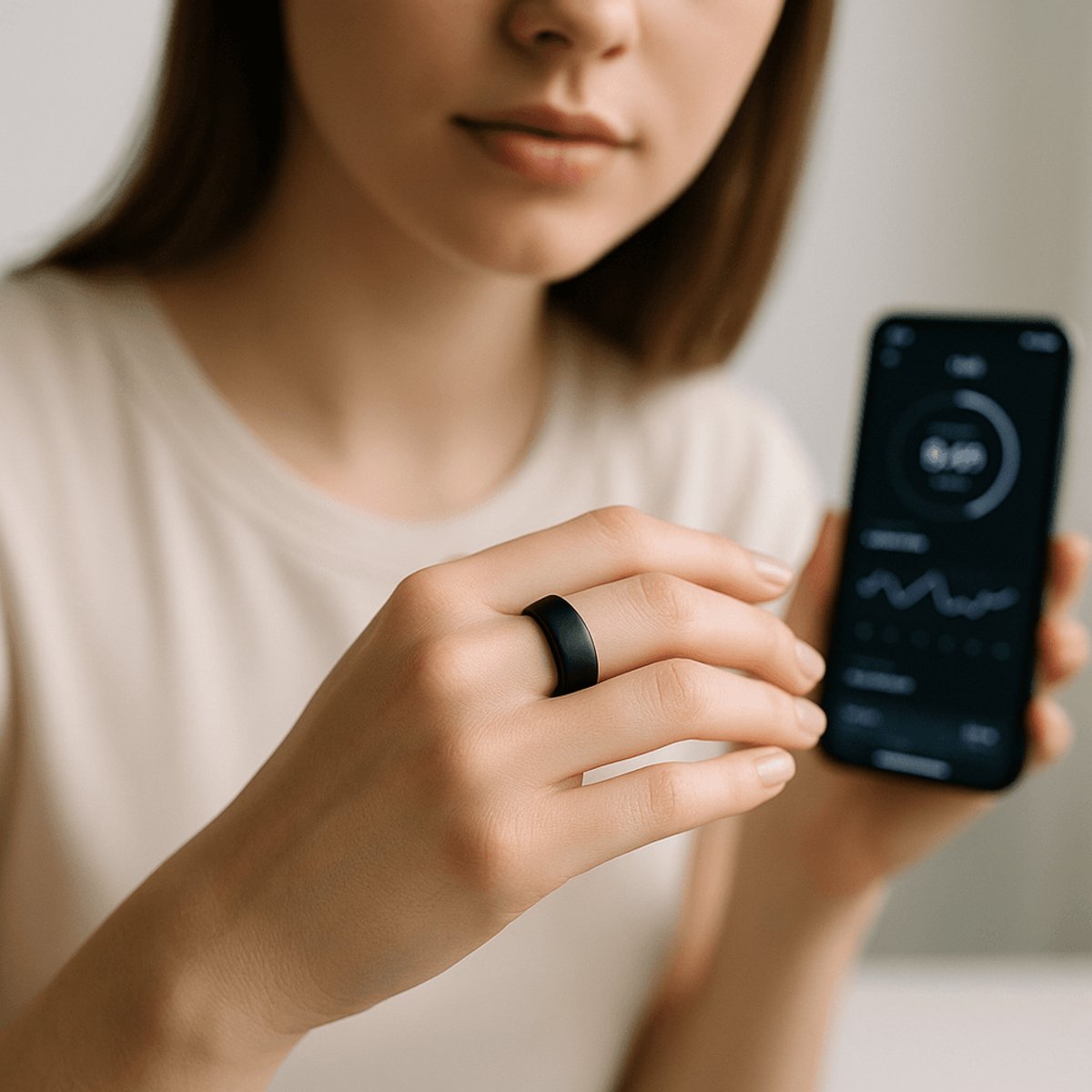
Oura just made a confession that explains everything about the smart ring wars. While Mark Zuckerberg, Jack Dorsey, and Prince Harry sport the company's signature rings, chief commercial officer Dorothy Kilroy revealed at Toronto's Elevate conference that her fastest-growing users aren't tech billionaires or wellness executives. They're women in their early twenties.
The admission comes as the 13-year-old Finnish health tech company faces its biggest competitive threat yet. Samsung launched its Galaxy Ring directly at Oura's core market, while Ultrahuman undercuts with a no-subscription model and Whoop owns the serious athlete crowd. Each competitor promises to chip away at Oura's commanding 80% smart ring market share.
But Kilroy isn't panicking. The former Airbnb executive who joined Oura three years ago has seen this playbook before - organic growth through word of mouth that creates unshakeable user loyalty. "At Airbnb, 90% of revenue ties directly to people raving about their vacations," she explained. "At Oura, it's people raving about their sleep scores."
The strategy is working. Oura doubled revenue last year and is on track to double again in 2024, but the real kicker is retention. While other wearables struggle with low-30s retention rates after 12 months, Oura hits the high-80s. People actually keep wearing the thing.
That success built on "corporate athletes" - high-performing millennials and Gen Xers with disposable income who realized running on fumes isn't sustainable. These professionals want optimized sleep, targeted exercise, and metabolic health insights. But the demographic map is shifting in ways that reveal Oura's long-term thinking.
Young men obsessed with gains and recovery are gravitating toward Whoop, which has become the unofficial uniform of serious athletes and gym bros. The Boston-based company, also founded 13 years ago, announced blood-testing services just one day before Oura revealed its own Quest Diagnostics partnership - a timing that suggests both see the future in integrated wearable and clinical data.
Meanwhile, Ultrahuman plays scrappy underdog at $349 upfront (often $299 on sale) with no monthly subscription, compared to Oura's $5.99 monthly fee. That "no subscription" pitch resonates with younger buyers already dealing with Netflix, Spotify, and streaming fatigue.
Kilroy shrugs off the pricing pressure. "When you're introducing a new pricing model, there's always risk," she said, pointing back to those retention numbers. "Our members are getting a lot of value and are happy to continue paying."
The real story is Oura's demographic pivot. Young women are driving growth through a broader generational shift toward preventative health. "We've seen this younger demographic really taking an interest in their health," Kilroy explained. "They're drinking less alcohol. They're really focused on their mental health."
This organic surge pushed Oura to double down on cycle tracking and fertility insights. The company's temperature accuracy delivers 97% precision in detecting ovulation, recently adding perimenopause features and expanded pregnancy capabilities. "We're not a fitness tracker only. We're a health platform focused on preventative health to avoid burnout and illness," Kilroy emphasized.
The numbers validate this strategy. Oura now sells through 4,000 retail stores with 1,000 API partners. The company employs over 30 PhDs and MDs building science-backed features, partnering with UCSF, UC Berkeley, and Stanford. That clinical validation creates competitive moats rivals can't easily replicate.
Beyond blood testing, Oura partnered with Dexcom late last year on metabolic health monitoring, letting users overlay continuous glucose data with ring metrics. Kilroy tested it for nine months, discovering stress-induced glucose spikes during brutal meetings. "All I want to do is run and grab chocolate when stressed, and that's like putting a bomb on your already high blood glucose."
But growth hasn't been smooth. This summer, Oura caught heat over a $96 million Department of Defense contract with Palantir providing security. Privacy advocates raised surveillance concerns around biometric data and defense contracts.
Kilroy pushed back firmly: "We do not pass member data to the U.S. government. When working with the government on their own troops, that data is passed to them." She blamed misinformation but admitted once it takes hold, it's hard "to put the genie back in the bottle."
The DoD controversy highlights a crucial point - when devices track sleep, fertility, and stress patterns better than users know themselves, trust is everything. Oura's retention numbers suggest that trust remains intact, but the summer backlash proved how fragile it can be.
As Kilroy learned at Airbnb: "You keep your eyes focused on your own race and the products you ship." The market for people wanting to optimize sleep, manage stress, and avoid feeling terrible is arguably much larger than athletes obsessing over training load and recovery metrics.
Oura's demographic gamble reveals something fundamental about the wearables market - there are more people trying to avoid burnout than athletes obsessing over VO2 max. While competitors chase the fitness crowd, Oura is building a health platform for a generation that prioritizes mental wellness and preventative care. The company's high-80s retention rate suggests users aren't switching rings anytime soon, making this less about capturing every demographic and more about owning the right ones.